
Authored by Emily Arthun via RealClearEnergy,
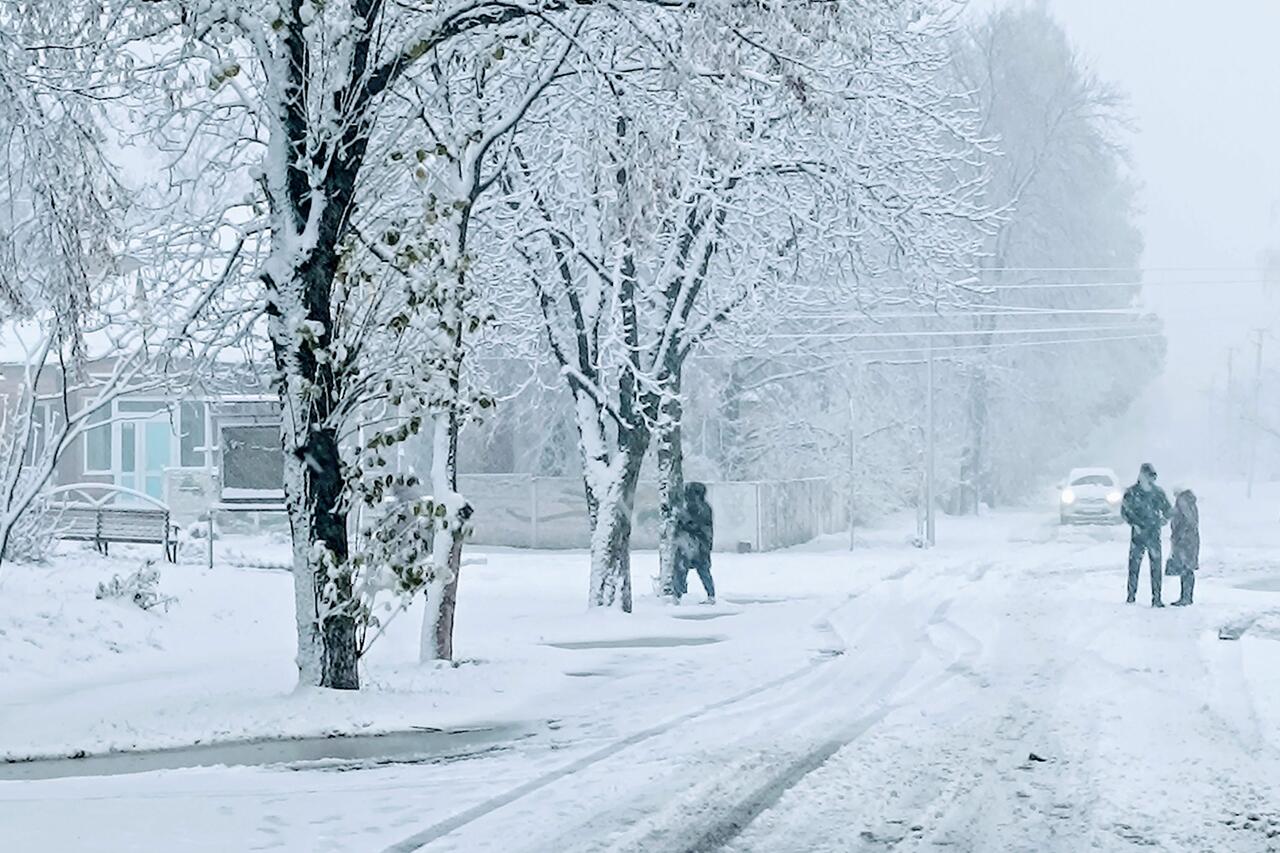
When Winter Storm Fern swept across much of the United States in mid-January 2026—bringing snow, ice, and sustained sub-zero temperatures from Texas to New England—millions of Americans braced for power outages. In some areas, those fears were realized. Tennessee alone reported more than 245,000 customer outages at peak conditions. At the same time, natural gas prices spiked dramatically, exceeding $30 per MMBtu at certain constrained delivery points within the PJM Interconnection.
Yet despite the severity and duration of the storm, the national electric grid largely held. Hospitals remained open. Emergency services stayed online. Most homes stayed warm. That outcome was not accidental. It was the result of dependable, dispatchable generation—chief among it, coal.
During the coldest days of the storm, coal-fired generation across the Lower 48 surged, rising from roughly 70 gigawatt-hours per day to approximately 130. That additional generation represented a massive increase in available power at precisely the moment when electric heating demand spiked and system margins tightened. In practical terms, coal generation helped keep power flowing to tens of millions of households nationwide, sustaining heat and essential services during the most extreme conditions of Winter Storm Fern.
Coal plants responded exactly as they are designed to do: steadily, predictably, and at scale. In the Midcontinent Independent System Operator (MISO) region, coal supplied as much as 40% of electricity during peak hours. In PJM, coal accounted for roughly one-quarter of total generation. These were not marginal contributions—they were foundational to grid stability.
The contrast with weather-dependent resources was unmistakable. Wind generation declined as turbines iced over or were curtailed for safety. Solar output fell sharply as panels were covered by snow and daylight hours shortened. Hydropower faced limitations from frozen waterways and constrained inflows. Each of these resources plays a role in the broader energy mix, but Winter Storm Fern underscored their limitations during prolonged, widespread cold.
Coal’s advantage in these moments is straightforward: on-site fuel. Stockpiled coal insulated power plants from supply chain disruptions at precisely the moment when other fuels faced constraints. This is not a theoretical benefit. It is a practical one that has been demonstrated repeatedly during extreme weather events.
That lesson should sound familiar. After Winter Storm Uri in 2021, coal was often blamed for grid failures. Subsequent analyses showed the most significant disruptions stemmed from widespread natural gas system freeze-offs—not coal plant performance. In the years since, coal facilities invested in winterization, fuel access, and operational readiness. During Winter Storm Fern, those preparations paid off.
Federal policymakers recognized this reality in real time. The U.S. Department of Energy issued emergency orders under Section 202(c) of the Federal Power Act, temporarily allowing certain coal units to operate at higher output to maintain grid stability. Similar actions in 2025 prevented the premature retirement of coal plants in Colorado, Indiana, Washington, and Michigan—preserving more than 17 gigawatts of firm coal capacity that otherwise faced near-term shutdown.
These decisions were not ideological. They were driven by reliability.
Warnings from grid authorities reinforce the point. The Department of Energy and the North American Electric Reliability Corporation have both cautioned that continued coal retirements—without equivalent replacement by firm, dispatchable resources—increase the risk of outages, particularly during extreme winter conditions. At the same time, electricity demand is rising rapidly due to data centers, electrification, and industrial growth. The margin for error is shrinking.
Coal is not static. Modern coal plants operate with advanced emissions controls, improved efficiency, and increasingly sophisticated monitoring. Mining practices have evolved, and research into carbon management and advanced coal technologies continues. Coal also remains essential for steelmaking and other industrial uses, making domestic production a matter of economic and strategic importance.
Affordability matters as much as reliability. Regions that retired coal prematurely have often experienced higher electricity prices and greater exposure to fuel volatility. Coal’s stable fuel costs and on-site inventory provide a measure of price certainty that consumers increasingly lack—especially during weather emergencies, when energy costs hit household budgets the hardest.
Winter Storm Fern delivered a clear message. When the grid was under maximum stress, coal did not merely contribute—it carried a substantial share of the load. A resilient energy strategy does not eliminate reliable resources before dependable replacements are ready. It builds a diversified generation portfolio that includes coal, natural gas, nuclear, and emerging technologies, each performing the role it does best.
America’s energy future depends on reliability first. During one of the harshest winter tests in recent years, coal proved once again that it remains an essential part of keeping the lights on—and the heat running.
Emily Arthun is current CEO of the American Coal Council, she brings over twenty years of experience across the coal and hard-rock mining sectors Prior to her role at ACC, she worked with the Women’s Mining Coalition, supporting advocacy for domestic mining. Her industry experience includes Stillwater Mining Company and Cloud Peak Energy. She serves on the Washington Coal Club and Women’s Mining Coalition boards.
Loading recommendations...