Six years ago, as covid-19 was rapidly spreading through the US, my sister was working as a medical resident. One day she was handed an N95 and told to "guard it with her life", because there weren't any more coming.
N95s are made from meltblown polypropylene, produced from plastic pellets manufactured in a small number of chemical plants. Two of these plants were operated by Braskem America in Marcus Hook PA and Neal WV. If there were infections on site, the whole operation would need to shut down, and the factories that turned their pellets into mask fabric would stall.
Companies everywhere were figuring out how to deal with this risk. The standard approach was staggering shifts, social distancing, temperature checks, and lots of handwashing. This reduced risk, but each shift change was an opportunity for someone to bring in an infection from the community.
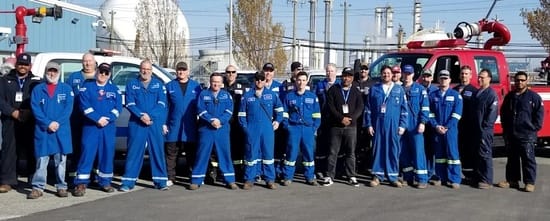
Someone had the idea: what if we never left? About eighty people, across both plants, volunteered to move in. The plan was four weeks, twelve-hour shifts with air mattresses on the floor each night and seeing their families only through screens. With full isolation no one would be exposed, and they could keep the polypropylene flowing.
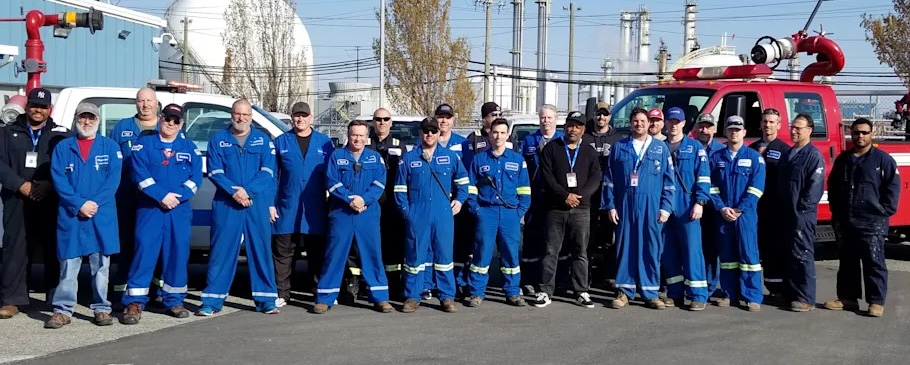
The company would compensate them well: full wages for the whole time, even when sleeping, and a paid week off after. They had more volunteers than they had space for.
I've looked pretty hard, and as far as I can tell no other factories [1] did this. Companies retooled to make PPE. Ford and GM converted auto plants to make ventilators and masks. Distilleries made hand sanitizer. No one else volunteered to move into their factory.
And it wasn't emergency planners who came up with the idea, either. It was ordinary people, looking at their situation, and thinking creatively about how to do their part.
In those 28 days they produced 40M pounds of polypropylene, enough for maybe 500M N95s.
These workers were doing something critical that almost no one else could do. When people argue about higher pricing during emergencies, this is what the economics can look like: the work was needed, the plants could not run without them, and they were paid accordingly.
Notice, however, that Braskem made it possible for people to be heroes. If the workers had been expected to do this for normal wages, this wouldn't have happened. The number of volunteers is not independent of the offer. When someone figures out a creative way to fill a vital gap in an emergency, they should get paid like it matters, because that's how you get more gaps filled.
Their short-term impact was producing the materials for 500M masks, but I hope their long-term impact is larger: showing how in an emergency ordinary people thinking creatively about their specific situation can find solutions no one else would come up with for them.
[1] This does stretch it a little: while this is the only case I could
find for a factory, there were several utilities that did things along
these lines. Ex: 1,
2.
Comment via: facebook, lesswrong, the EA Forum, mastodon, bluesky