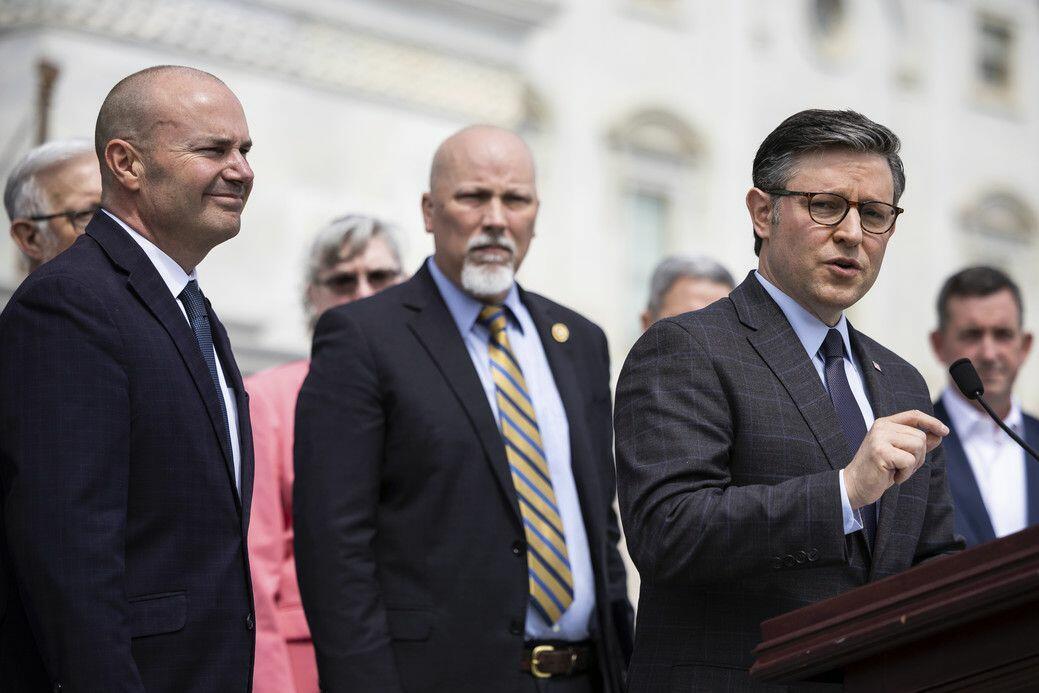
Last week, President Trump announced on Truth Social that he will not sign any new legislation until the Senate passes the Safeguard American Voter Eligibility (SAVE) Act, calling it his top priority ahead of the midterms.
The SAVE Act, introduced in January by Sen. Mike Lee (R-Utah) and Rep. Chip Roy (R-Texas), requires proof of U.S. citizenship to register to vote and a government-issued photo ID to vote. It also requires states to purge non-citizens from existing voter rolls. The bill and its provisions have significant bipartisan support, according to recent polling.
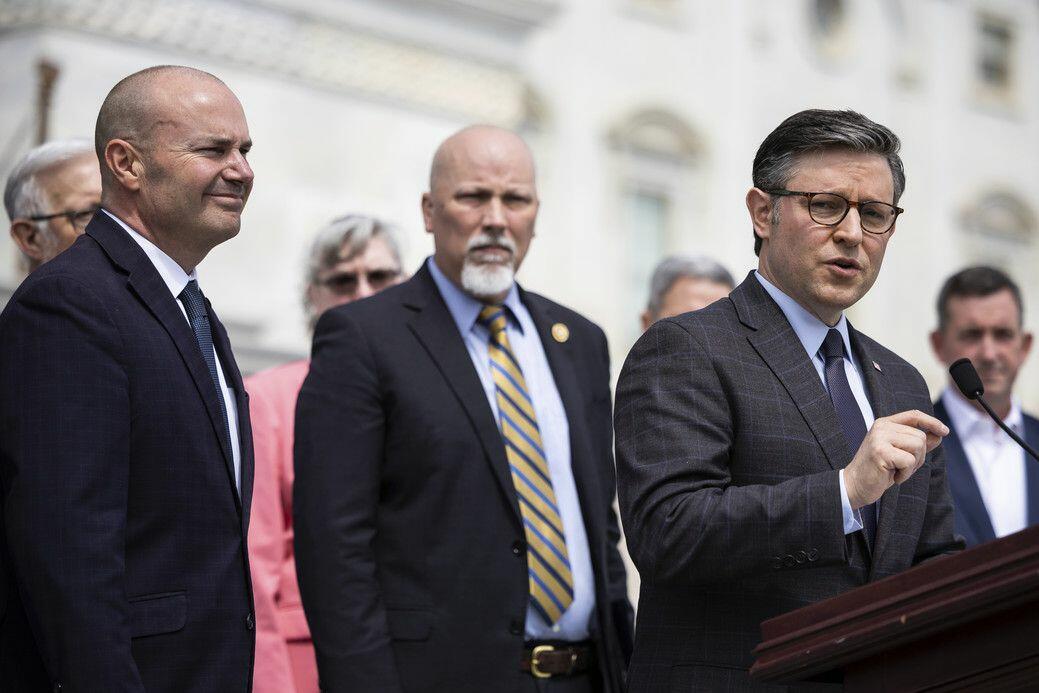
Despite Trump’s threat, Senate Majority Leader John Thune has expressed reluctance to change the filibuster. On Monday, he made it very clear there was no way he was going to change Senate rules to pass the bill.
"Yeah, that's not going to happen," Thune said.
But, Sen. Mike Lee (R-Utah) now thinks the SAVE America Act may finally be getting somewhere. Lee, the lead sponsor of the legislation, posted a video update on Friday announcing that he believes we’ve “turned kind of a corner” on the SAVE Act.
After weeks of uncertainty about procedure, Lee said he and Thune have been working through options that could bring the bill to the floor for real debate - not just a choreographed vote designed to fail.
"Okay, important update on the Save America Act and the effort to get it passed," Lee said in the video. "Look, I am guardedly optimistic. We've turned kind of a corner. Over the last few days, there's been some uncertainty about exactly what procedure we will be and will not be using. In the end, we've been working closely with Leader Thune and his staff, and they've been great to work with. What we're coming up with is something that I think is best described as a hybrid version of the talking filibuster."
Under the Senate's standard rules, passing most legislation requires 60 votes to end debate - a threshold Democrats have made clear they have no intention of helping Republicans reach. The talking filibuster approach would flip the dynamic. Instead of requiring 60 votes to advance, it would require opponents to physically hold the Senate floor and debate the bill for hours or days on end.

The problem is, of course, Thune - who's made it clear that he believes the conference lacks the unity to pull it off. He warned that a talking filibuster isn't just about extended speeches; it also opens the floor to unlimited amendments, meaning Democrats could endlessly propose changes designed to fracture GOP support.
"The talking filibuster issue is one on which there is not, certainly, a unified Republican conference, and there would have to be," Thune said last month. "If you go down that path, you're talking about the need to table what are going to be numerous amendments and an ability to keep 50 Republicans unified, pretty much on every single vote. And there's just not, there isn't support for doing that at this point."
The internal pressure on Thune has been substantial. Earlier this month, conservative voices accused him of engineering what they called a "show vote" by bringing the bill to the floor to get Democrats on record opposing the legislation, but doing nothing to actually pass it.
Lee’s ”hybrid" framing could give Thune political cover to move without formally embracing the talking filibuster by name, while still forcing extended floor debate before any cloture filing. By keeping the bill on the floor before invoking cloture, Lee wants to create pressure that a clean procedural vote would not generate.
"We're going to bring it to the floor," Lee said. "We're going to debate it for an extended period of time before filing cloture. And in my view, at least, I don't want to speak for anyone else, this bill needs to remain on the Senate floor before we file cloture on the bill for as long as it takes to get it done."
Whether that's enough to move the needle inside the conference remains unclear. What Lee is betting on is momentum and exposure. The longer the bill sits on the Senate floor with cameras rolling and the clock ticking, he believes, the harder it becomes for Democrats to explain to voters why they won't support something with strong, bipartisan approval.
The strategy is less about parliamentary maneuvering than it is about political pressure. Lee seems to believe the math is starting to move in his direction, and as the lead sponsor of the bill, wouldn’t be saying so if he didn’t believe it.