Authored by 'Fast Eddy' via 'The World according to Fast Eddy' substack,
An insider's explanation of what is going on...
The commentary below was lifted from a Reddit post.
Other than the issues I have already raised in previous articles How Is Iran Blocking and Mining Hormuz? And so it begins.... the question I am asking after reading this analysis is:
Why is Australia Not Already Rationing Fuel?

I’m the pricing, sales and trading guy at one of Australia’s fuel importers. It’s been an insane two weeks on the trading and supply front, but now it’s the weekend and my brain is still wired running at 150%.
My partner asked me last night in detail to explain the overall situation. I thought I’d share my knowledge here and happy to answer questions. I’ll respond when I can throughout this weekend!
Note we don’t have any retail sites so I can’t really speak for retail fuel. I also obviously can’t share anything proprietary.
1. Australian fuel is 90% imported these days, mainly from Asia.
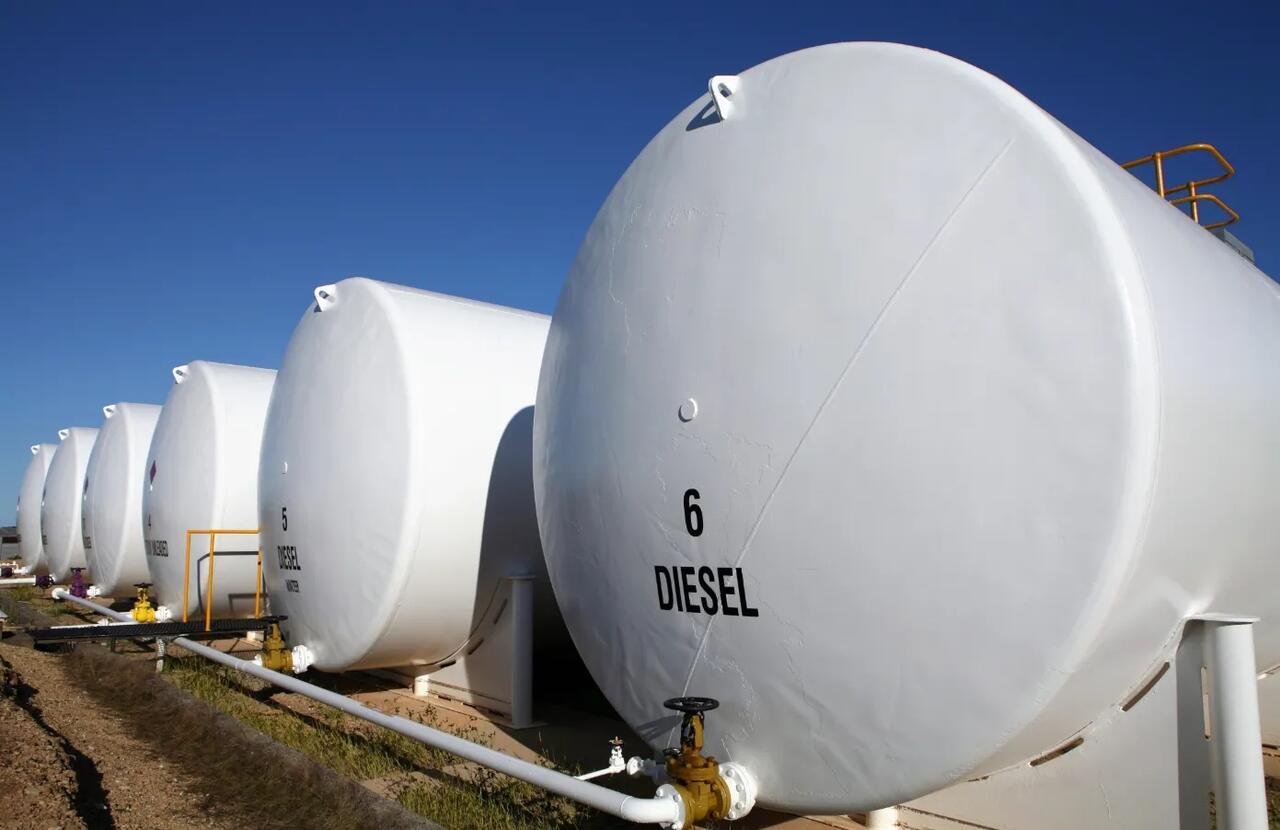
The Asia refiners are more competitive and have economies of scale that compete Australian refineries, that’s why most of our have closed. Australia for over a decade has not met the internationally agreed 90-day buffer of fuel reserves in the country, we sit a roughly 32 days of stock. This is the fault of both Labor and Liberal governments in the past. Note: it’s easy to store crude oil but much more difficult to store refined products like diesel and petrol, they are flammable and go off after a few months of sitting in a tank. It is very expensive to build brand new storage tanks, which is why no commercial personal is doing it - this is why we import so much oil throughput.
2. Not all crude oils are the same.
The Asian refineries are set up to refine medium sour crude (far more experienced chemical engineers, or Google, can give you more info of the API and Gravity ranges of crude oil types). This is mainly produced by the Middle East. It is very hard to replace this crude oil into the refineries at short notice. So it doesn’t matter how many barrels the US releases from its crude stock piles as that is a “light sweet crude” (and is prohibitively expensive on the ocean freight component). Asian refiners have been cancelling contracts and governments like Thailand and China are banning diesel and petrol exports to keep these critical fuels in their own countries. Therefore, it has gotten very expensive to source alternative cargos to supply Australia (something called the MOPS Premia has skyrocketed. So has backwardation).
The best analysis I am reading is a soon as the Middle East waterway (Strait of Hormuz) opens up, it will still be 1.5 to 2 months before the Asian refiners are running at full capacity again.
Ed: Australia - and I am sure most countries - do not have stored fuel that will last this long even with rationing.
The critical mining industry in Australia runs on diesel...
If this situation does not urgently get resolved, we will soon be dead men walking.
Meanwhile, the world sits on it’s hands watching and refusing to act.
Am I alone in thinking there is something wrong with this picture?

Note you can’t just shut down a refinery, these things are designed to run 24/7. Shutting down completely puts equipment at serious risk of damage, therefore refiners are choosing to run at say 50% capacity to delay to running out of crude oil feedstock and not damage refinery equipment.
3. While Brent crude has gone from say 70 to 100 USD/barrel (ie roughly 40%), refined products like diesel, petrol and jet fuel, have spiked far higher relatively speaking.
This mainly comes down to the regional supply and demand issues being experienced in Asia. Note Australian fuel is roughly priced as Singapore fuel + ocean freight + local costs. Therefore you can’t just take the increase in Brent crude (main type of crude oil) and assume that’s the increase in cost to the fuel that you buy. Diesel seems to be facing far worse supply constraints compared to petrol aka gasoline (and jet fuel even worse than that). I’ll link a great article at the end on why jet fuel is spiking so much more (it’s a free article on substack)
4. Regional Australia wholesale diesel All the oil majors (Mobil, BP, Ampol etc) are understandably holding onto their own product to keep supplying their own retail stations (this was the case last week at least).
They stopped selling in the wholesale market. The oil majors years ago largely exited regional Australia and delivery services to farms etc. Independent wholesale business filled in this gap. They do not import their own fuel, but rather buy on the wholesale spot market (where I sell to them), and therefore usually have no term supply guarantees from BP, Ampol etc. Given regional Australia still runs on diesel fuel for all farming, food transportation etc, this is why you hear regional Australia having a fuel crisis more than the cities. This is why I believe that the electrification of key transportation supply chains is critical for Australia’s future. So for Chris Bowen, our Energy Minister, saying he is working with the majors to secure more diesel that is dedicated/prioritised for regional communities, I have no idea how the government are practically going to pull that off (price caps? Allocated volume with some sort of government mandated fixed price? Who knows how it’ll work, but it sounds nice in a speech).
5. Conclusion/generic thoughts
This situation isn’t resolving itself anytime soon unfortunately. There is a saying commodity trading - “high prices cure high prices and low prices cure low prices”. When the price sky rockets, demand drops off where possible or supply is increased. When there’s super low prices, supply reduces as said suppliers can’t stay in business selling at those low prices. In this current high prices situation, supply can’t increase right now, so the only lever is to reduce demand. If the price is kept low by governments, demand would stay around, you would have no more supply coming into Australia, and you would eventually run out of fuel.
Neither is a good situation, but running out of fuel entirely is probably worse than having some fuel at a high price, which theoretically destroys some flexible demand.