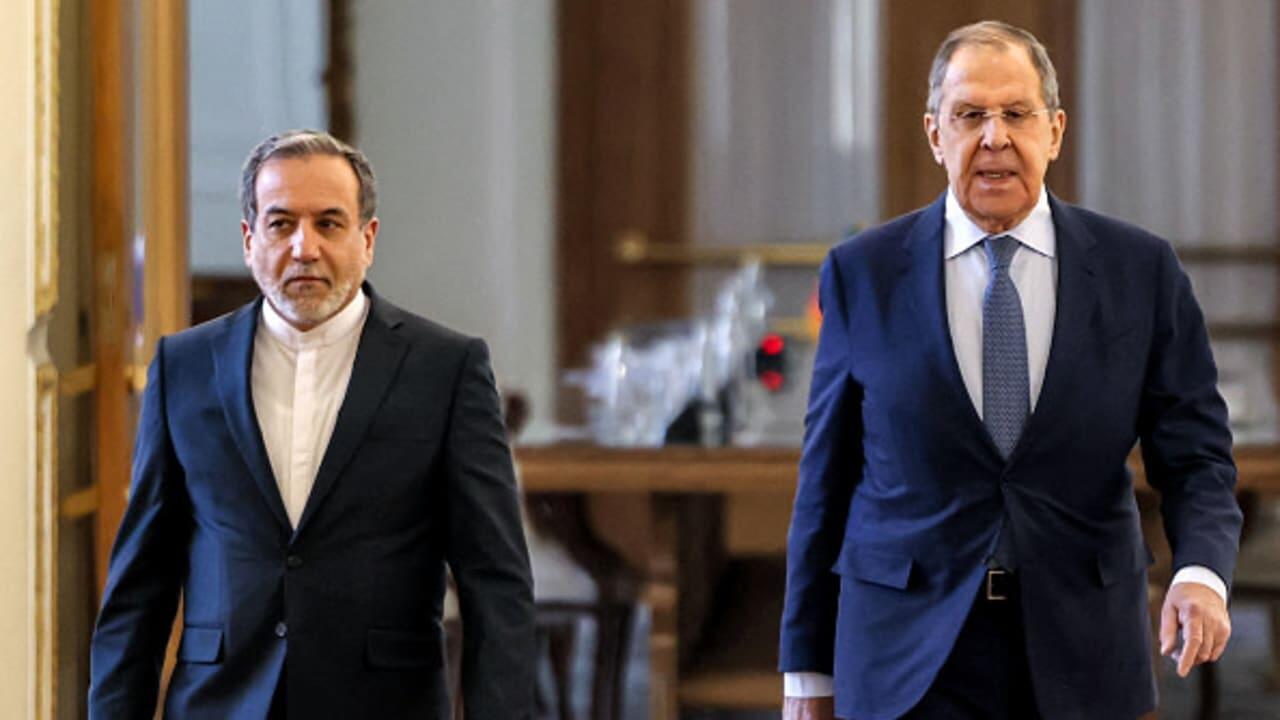
Iranian Foreign Minister Abbas Araghchi held talks with Sergei Lavrov quickly on the heels of President Trump early Monday having claimed Washington and Tehran had "very good and productive conversations regarding a complete and total resolution of our hostilities" - as the war is in its fourth week.
Moscow appears to be moving to position itself as a broker, with Russia's foreign ministry announcing that FM Lavrov called for an "immediate cessation of hostilities and a political settlement that takes into account the legitimate interests of all parties involved, above all Iran," in a call initiated by Tehran.
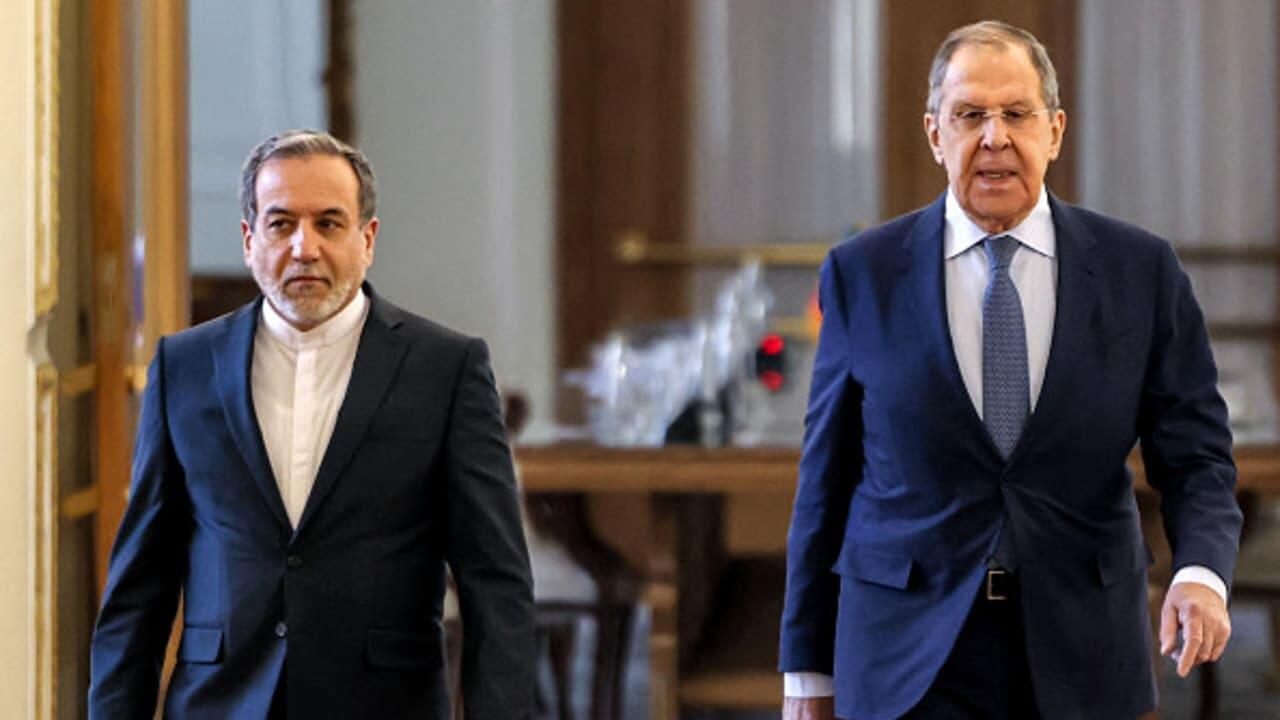
The Kremlin followed this by its spokesman Dmitry Peskov stating negotiations should have begun "yesterday" - adding that "this is the only way to effectively ease the catastrophically tense situation in the region."
Trump had on Saturday unveiled a time-specific ultimatum which threatened to "obliterate" Iranian power plants if Tehran refuses to reopen the Strait of Hormuz. The clock is ticking on the 48-hour timeline, and it's unclear how the Trump-touted Tehran-Washington contacts will impact that (contacts which Tehran has denied).
As for the Kremlin, Peskov also warned against strikes on nuclear infrastructure following reported attacks on Natanz nuclear facility, stating: "We believe that strikes on nuclear facilities are potentially extremely dangerous … Therefore, the Russian side, taking an extremely responsible stance on this issue, has repeatedly voiced its concerns."
The risk is no longer theoretical given that Russia's state nuclear firm Rosatom and the International Atomic Energy Agency had confirmed a projectile strike on the Bushehr Nuclear Power Plant, marking a dangerous new phase where nuclear sites are no longer off limits.
This in turn resulted in Iran for the first time targeting Dimona, home to Israel's major nuclear reactor and research complex. But there's no indication it suffered any direct hits.
"Dimona, where the second missile hit, is perilously close to Israel’s main nuclear reactor and research site. Iranian state media said the strike targeted the nuclear facility in retaliation for an attack on an Iranian nuclear enrichment site at Natanz, though the IDF has said it was unaware of that operation," NBC reports.
"The International Atomic Energy Agency said that no abnormal off-site radiation levels had been observed following the strikes, though it urged all sides to exercise restraint near nuclear sites," the report added.
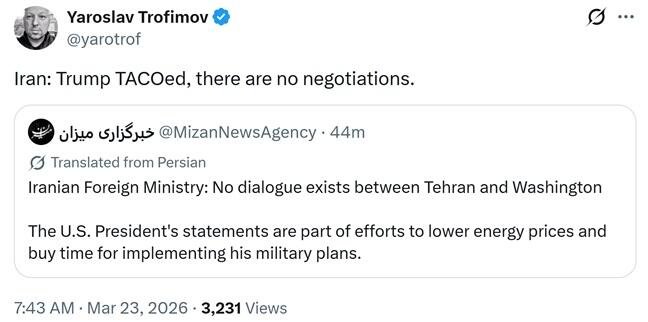
At this point it's anything but clear whether Trump's announcement of talks will lead to an actual slowdown or pause in fighting. Here's how Russia's RT framed Iran's stance:
Iranian sources, however, have told state media that no negotiations have been held with Washington, even through intermediaries. The Iranian Embassy in Afghanistan has stated that Trump “backed down” after Iran’s “firm warning” that it would retaliate to strikes on its energy infrastructure by attacking power plants across the region.
On Sunday US Treasury Secretary Scott Bessent told "Meet the Press" that Washington must "escalate to de-escalate" in the Iran and Strait of Hormuz situation. However, Washington never seems to be able get to the "de-escalate" part.