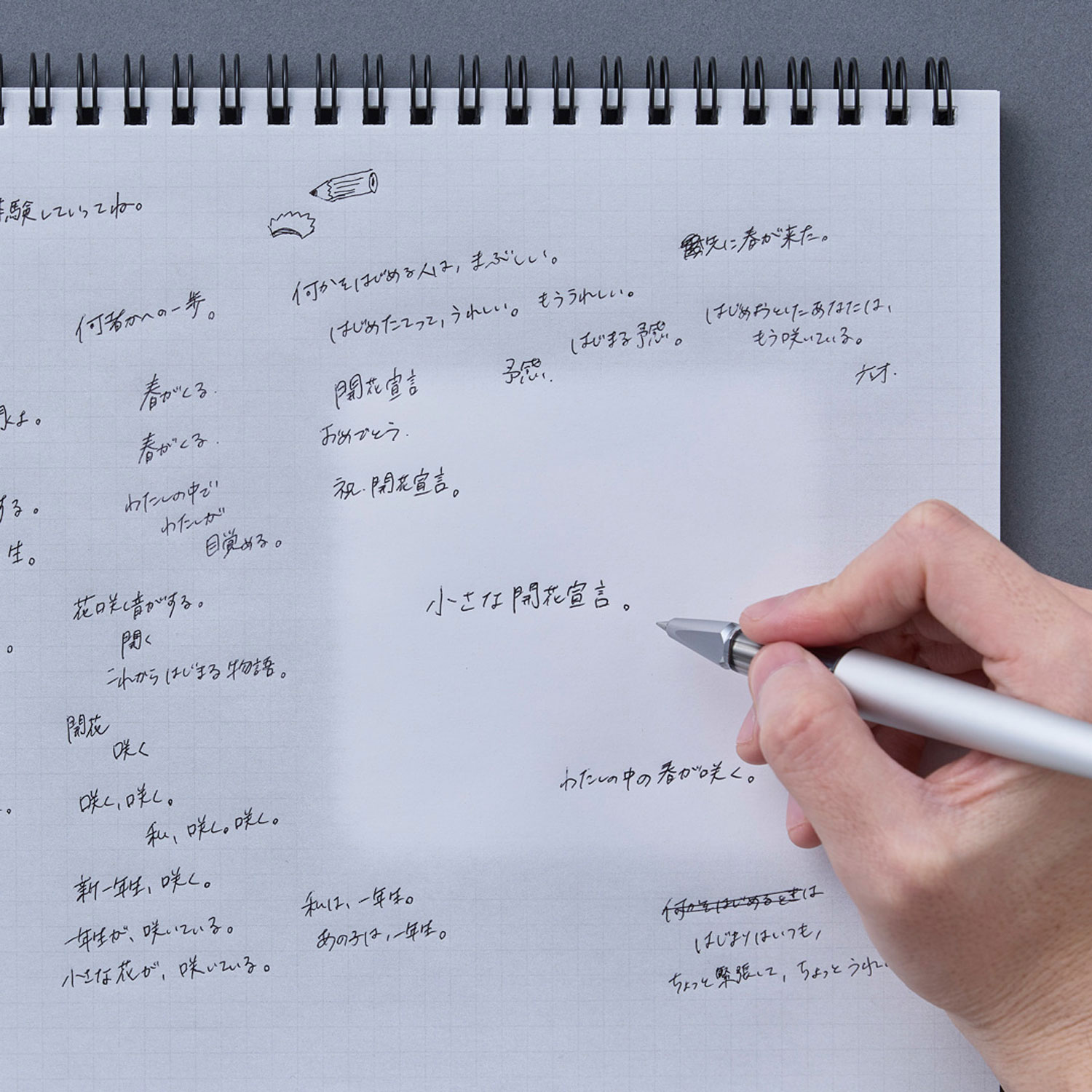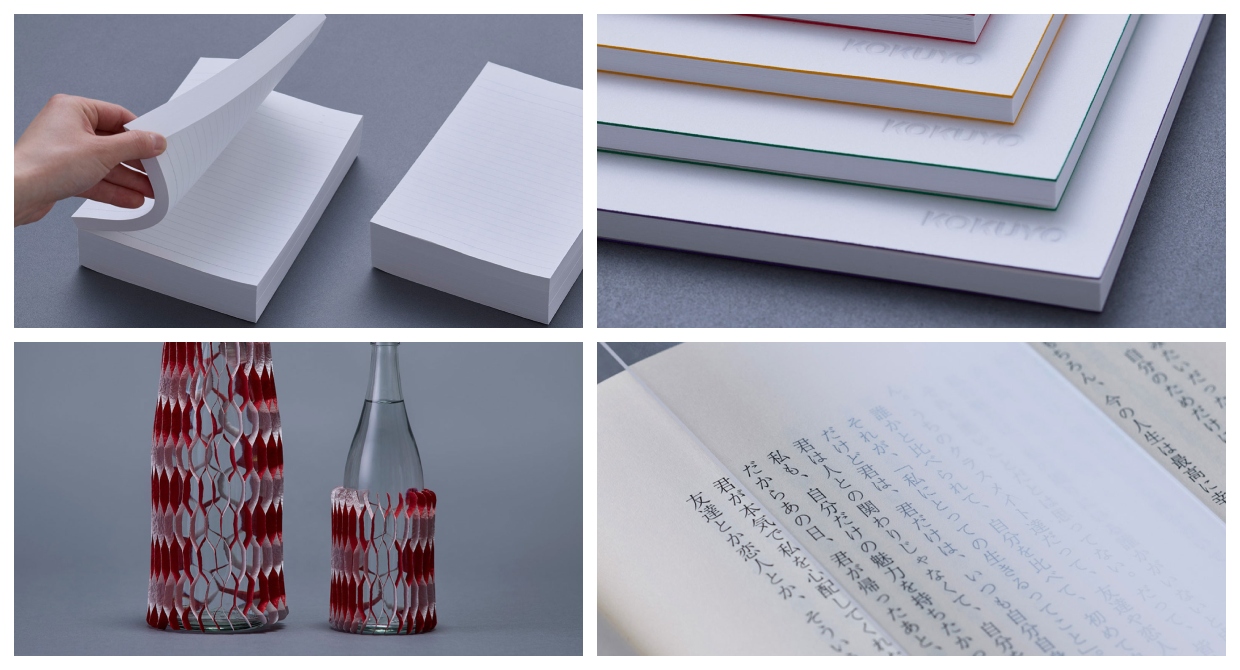
The Kokuyo Design Awards, (previously) arguably Japan’s most-prestigious stationery design award, has been held for almost a quarter of a century now. Hosted by 120-year old stationery firm KOKUYO, the award receives close to 1500 entries each year for new products that have yet to be commercialized, with winning concepts given the opportunity to become real-life products.
For this year’s theme—hamon: design that resonates—designers were asked to submit concepts based on their own unique, lived experience, which in turn has the potential to resonate with society. One winner and three merit awards were announced last month.
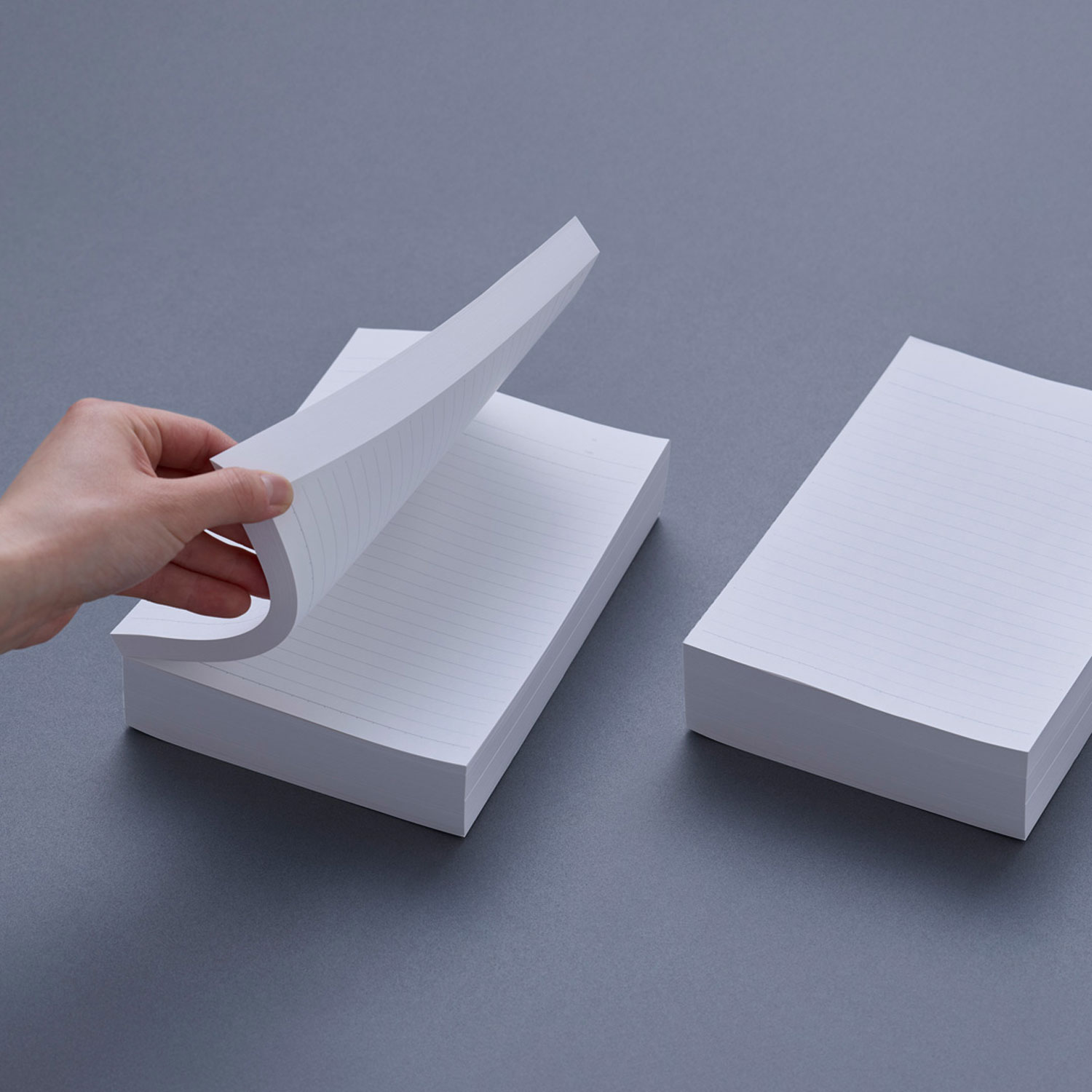
Grand Prix: “Before Note” by Hiroki Kannari
The top prize went to Before Note, a deceptively simple yet radical rethink of the notebook. Instead of a finished product, Kannari proposes a “pre-notebook”—a bundle of pages that users can customize themselves by choosing the number of sheets and cover design.
It’s a design that sits between mass production and personalization, reflecting a world where individuality matters more than ever. Rather than buying a notebook, you complete it—turning a passive object into an active, personal process.
Merit Awards
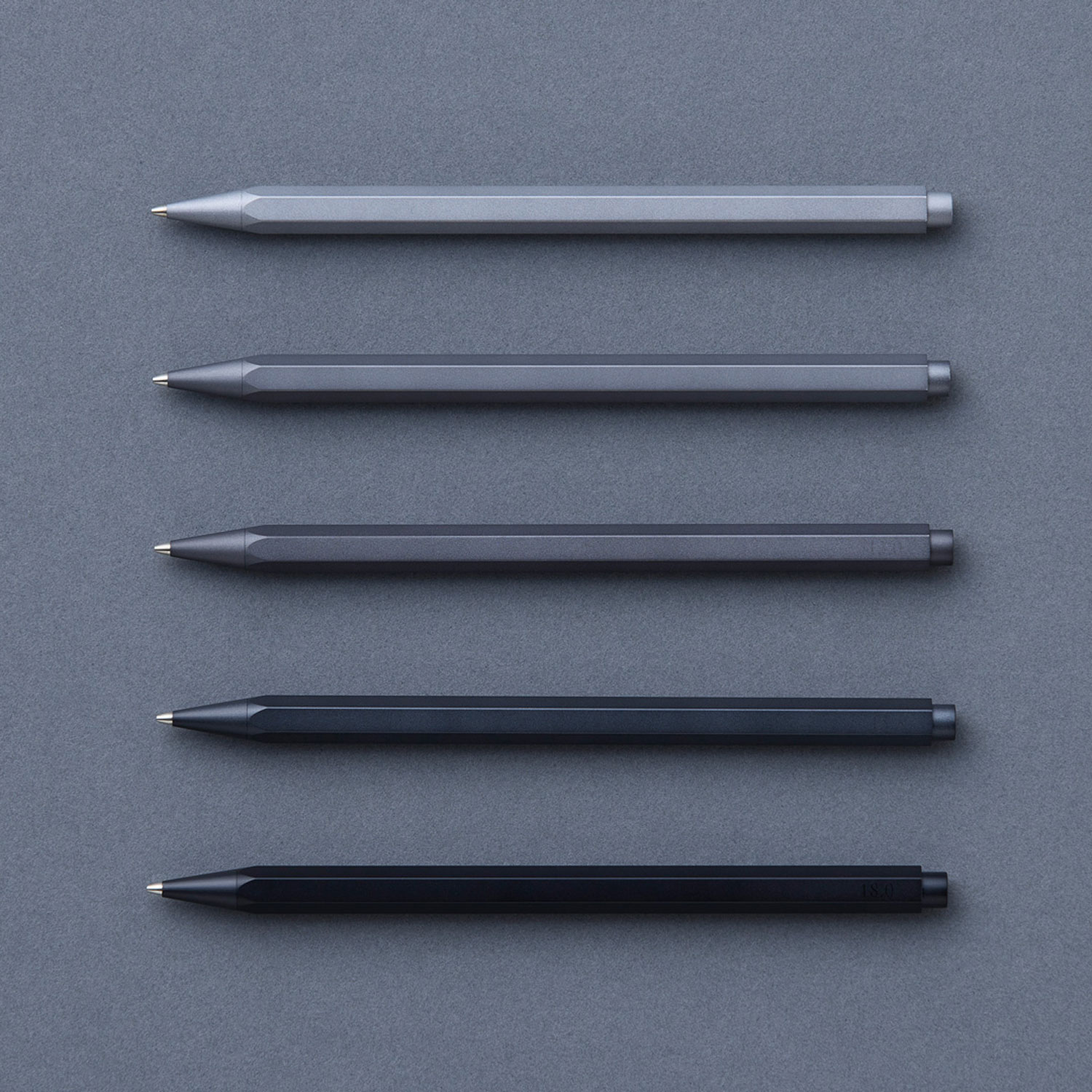
Gram by Takashi Higashide
This pen series explores something almost invisible: weight. By adjusting only a few grams—without changing shape or material—it reveals how subtly our writing experience can shift.
The brilliance of gram lies in its sensitivity. It makes users aware of sensations they normally overlook, transforming writing into a more conscious, tactile act.
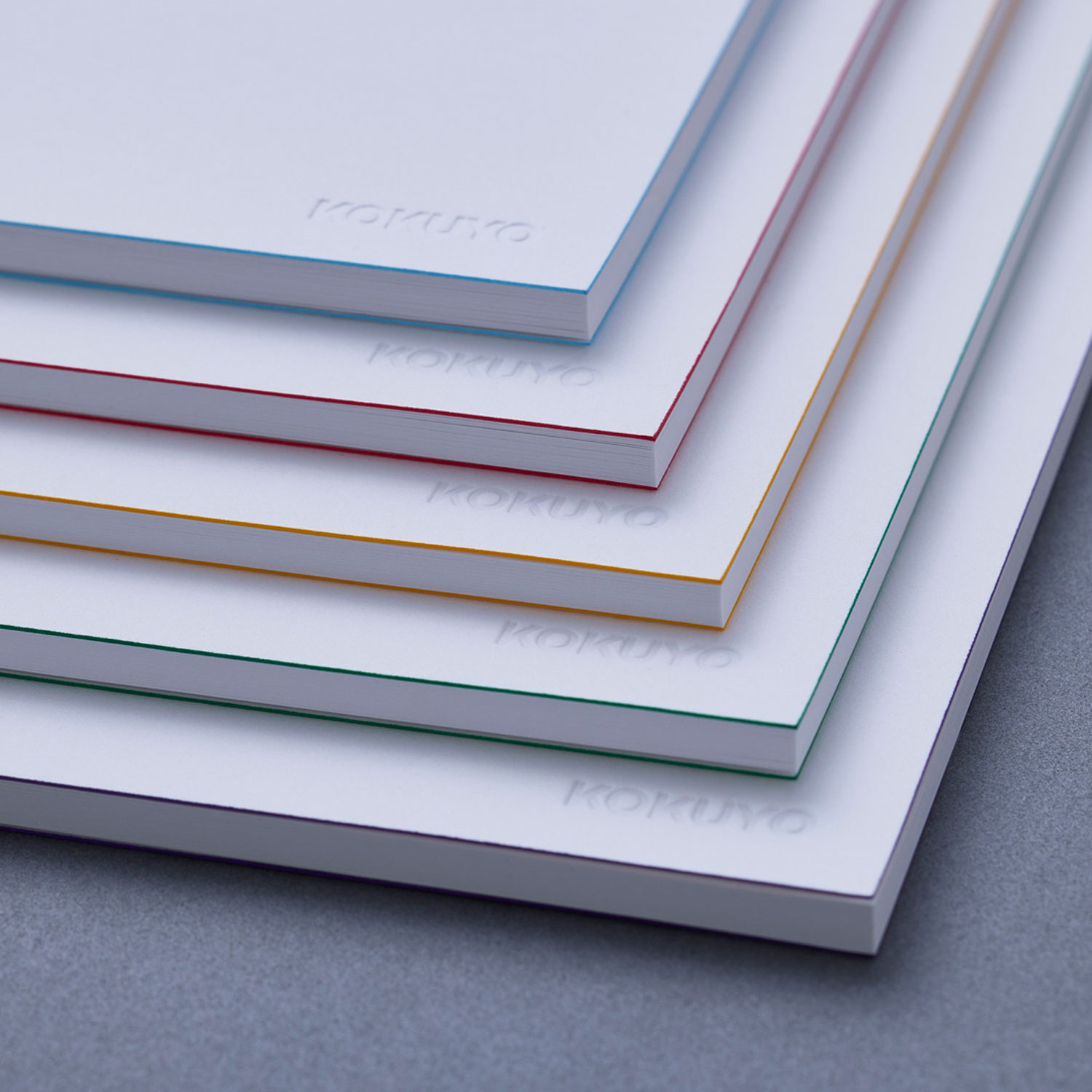
Notebooks Identified by Edges by Yuji Tsukamoto
At first glance, these notebooks look minimal—plain white covers with a quiet elegance. But the key detail lies in the colored edges, allowing users to distinguish notebooks at a glance while maintaining visual harmony.
It’s a perfect balance of organization and aesthetics. Even better, by coloring only the edges rather than full covers, the design subtly reduces ink usage—an understated nod to sustainability.
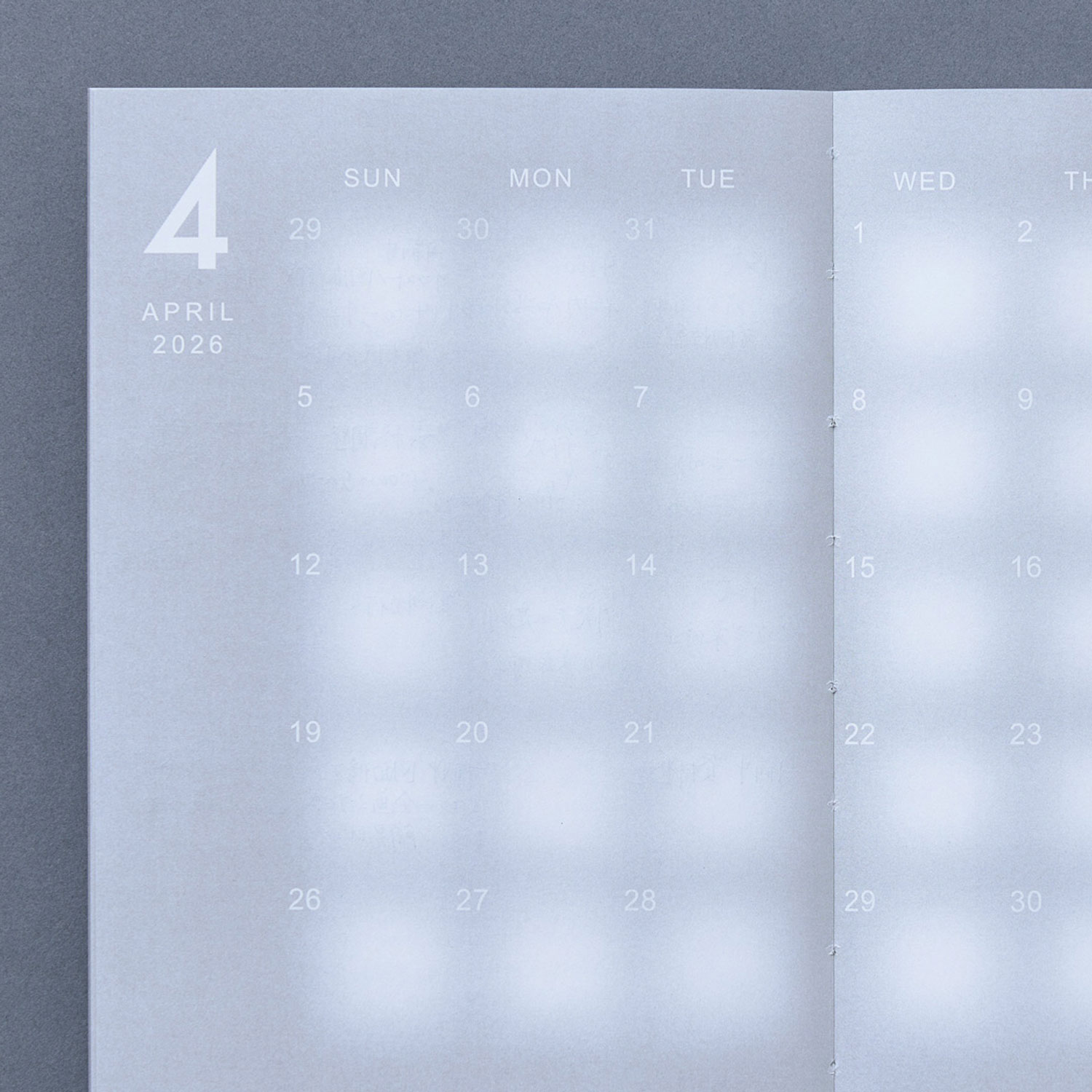
Gradience Diary by Mizuki Igarashi & Rara Takizawa
Traditional planners impose rigid boxes and neatly separated days. Gradience Diary rejects that structure entirely.
Using a soft gradient instead of lines, it allows users to expand or shrink their writing space depending on their schedule. Tasks can flow across days naturally, mirroring how time actually feels—fluid, uneven, and continuous.
Finalists
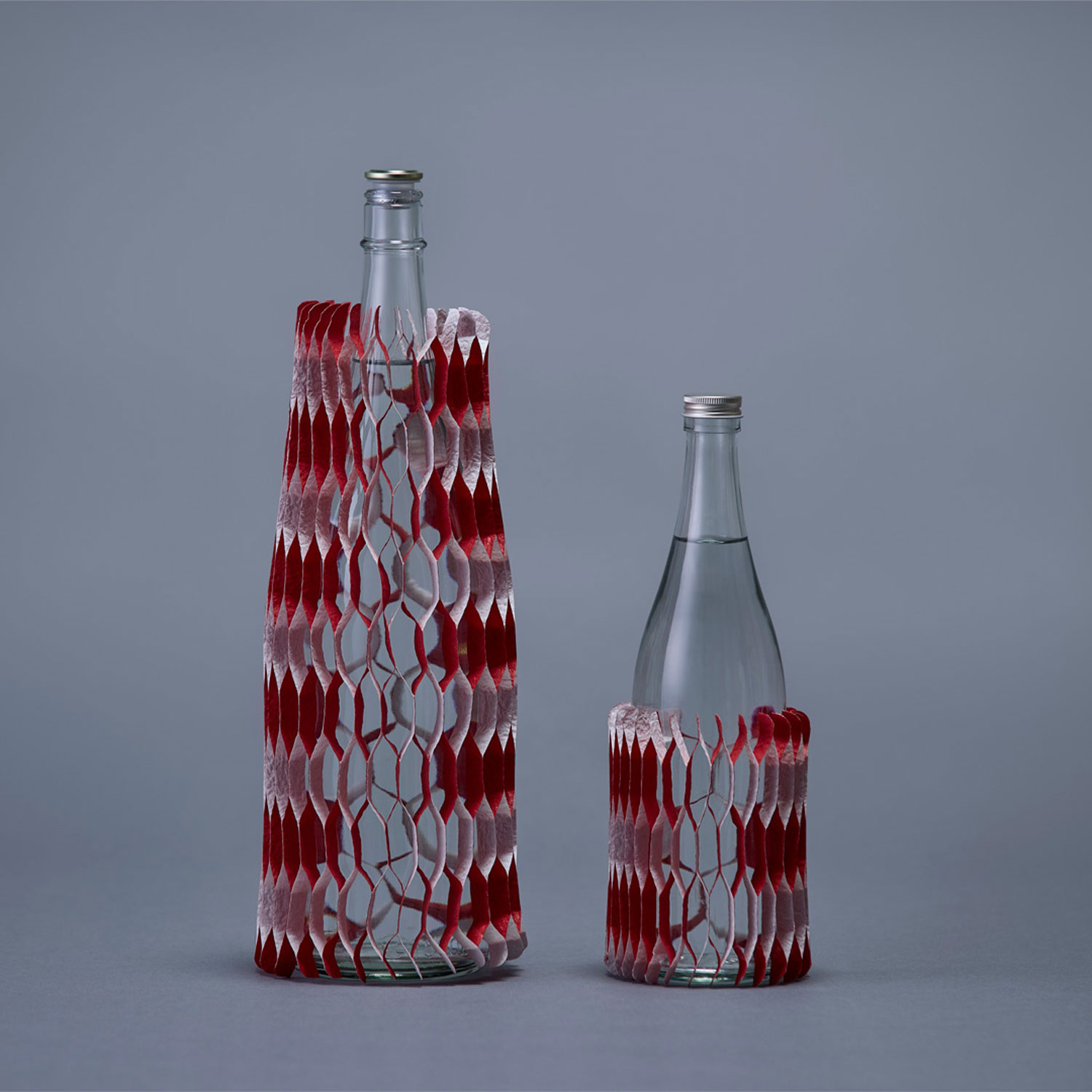
Red and White Packing Paper by Tasuku Denno
A honeycomb-structured wrapping material that transforms into decoration, extending the life of gift packaging.
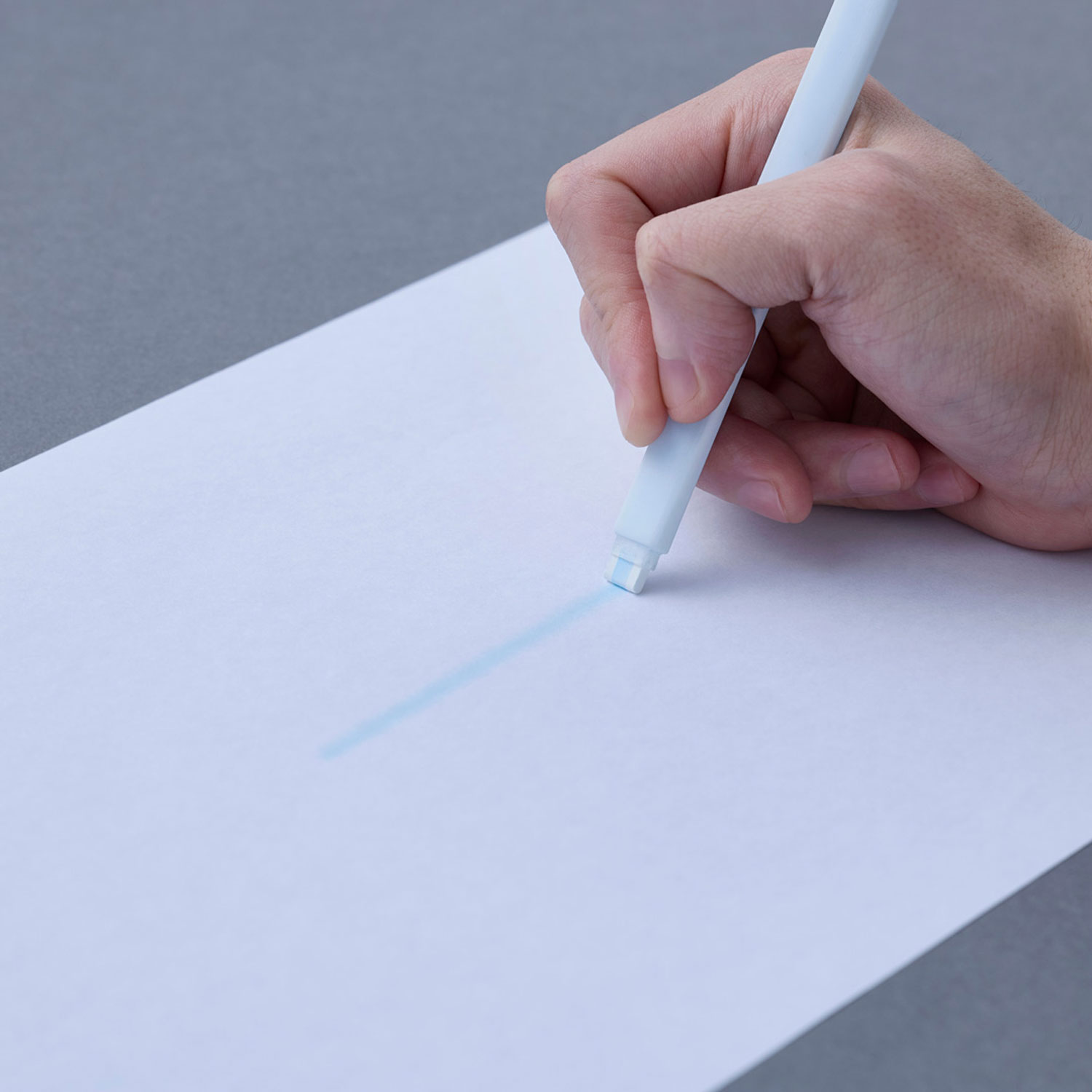
AWAI by Ryoichi Nakamura
A pen that produces faint, smudged lines, encouraging ambiguity and reflection rather than bold certainty.
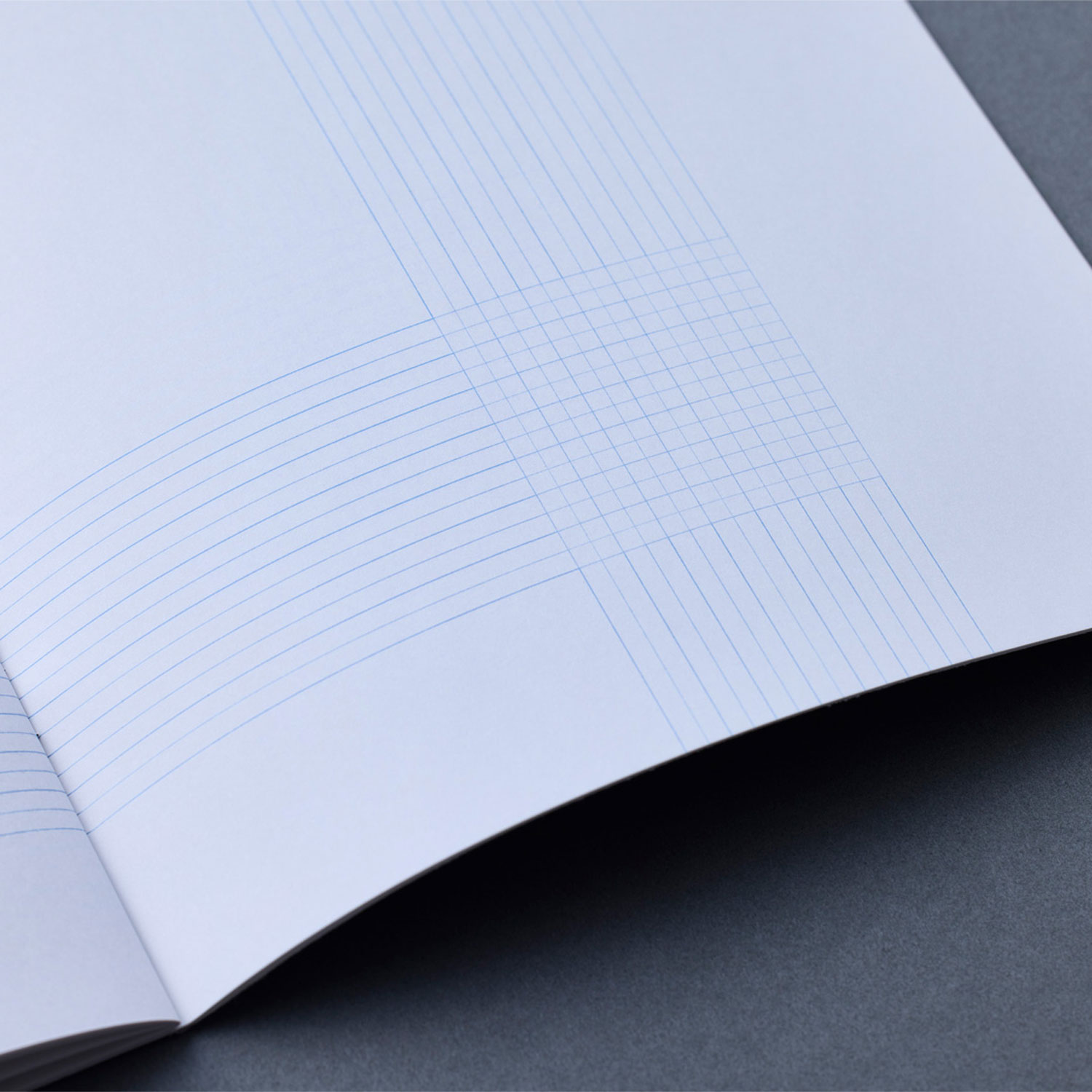
OVERLAP by Yohei Oki
A notebook design using intersecting lines and blank space to provoke new ways of thinking and writing
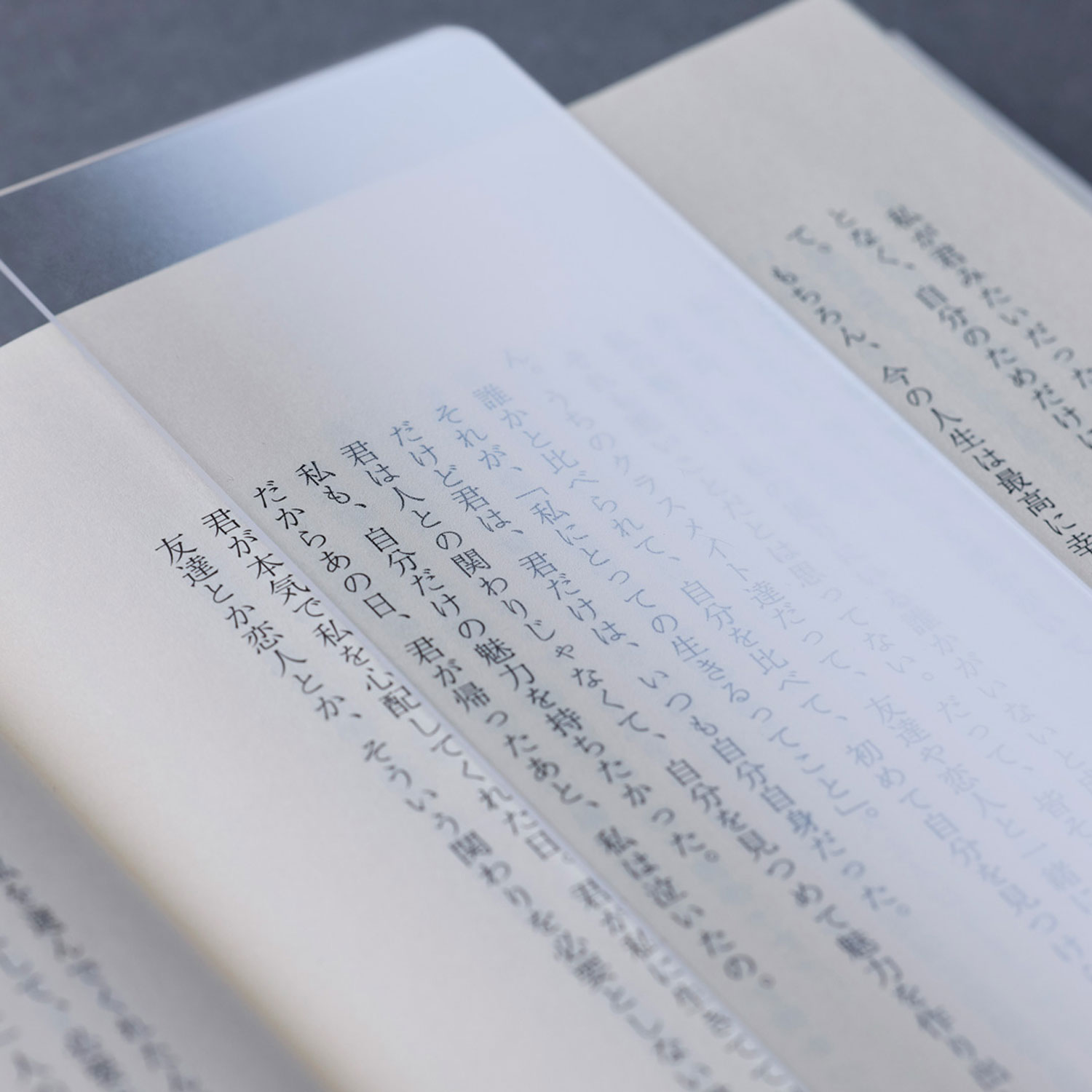
KASUMIORI by Yoshihiro Matsumura
Inspired by kasumi (mist), KASUMIORI is a reading guide and bookmark that creates a sense of depth and ambiguity like looking through fog, turning reading into a more atmospheric, reflective experience.
a glimmer of inspiration by Nao Momoishi
Created by a copywriter, this pen is designed to help users quickly record sudden bursts of inspiration by casting subtle spotlights.