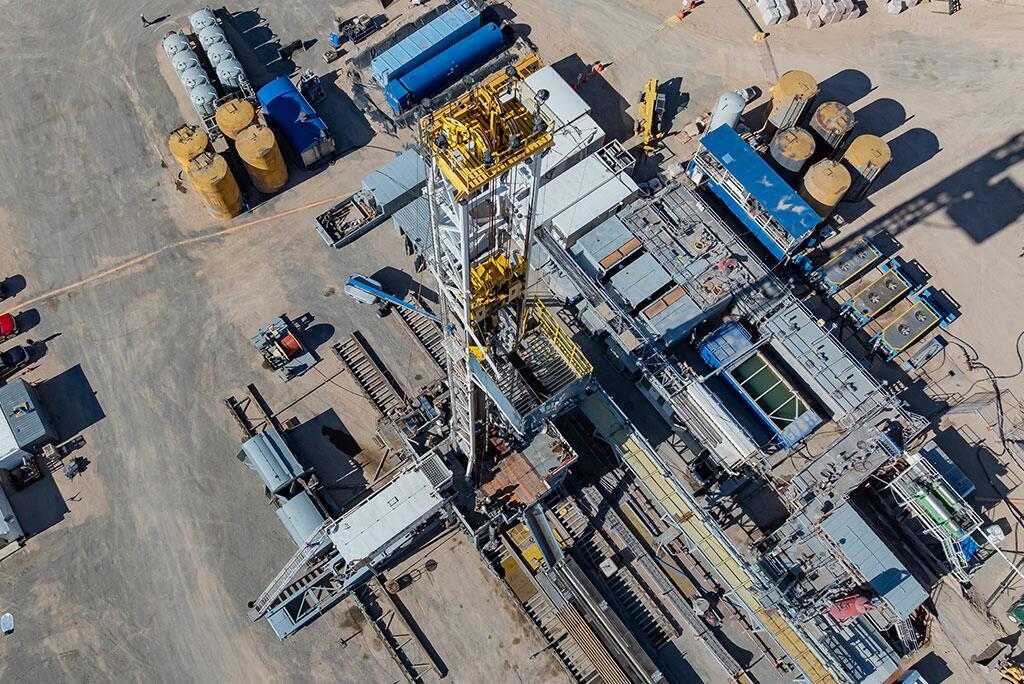
Fervo Energy and Turboden, part of the Mitsubishi Heavy Industries Group, announced a three-year framework agreement to supply Organic Rankine Cycle (ORC) turbines for up to 35 of Fervo’s standardized 50 MW GeoBlocks. The deal totals 1.7 gigawatts of carbon-free, dispatchable baseload power, marking a major step toward scaling next-generation geothermal across the United States.

The agreement builds directly on an earlier pact covering three GeoBlocks at Fervo’s Cape Station project in Utah, where Phase I commissioning is now in advanced stages with startup expected later this year. By locking in supply chain capacity and shortening lead times for Turboden’s proprietary ORC technology, the framework strengthens domestic manufacturing resilience and accelerates project timelines at a moment when U.S. power demand is surging from data centers and AI infrastructure.
ORC units efficiently convert geothermal heat into electricity, delivering the firm 24/7 power that intermittent renewables struggle to match. Fervo CEO Tim Latimer called the collaboration with Mitsubishi Heavy Industries a key move to “strengthen the supply chain needed to build geothermal at scale.”
This announcement arrives as interest in geothermal and nuclear power intensifies. With electricity demand exploding from AI and data centers, the market is showing a growing distaste for intermittent renewables that cannot guarantee reliable baseload power when needed most.
We hope nobody has forgotten how (not) helpful renewable energy was during Winter Storm Fern…
We first highlighted Fervo’s potential in the geothermal revolution reshaping America’s energy mix, where enhanced techniques and big-tech backing are turning the Earth’s heat into a practical solution for exploding electricity needs.
This latest supply deal also comes just weeks after we covered the DOE’s $171 million push for next-gen geothermal field tests.
With over 470 Turboden plants operating worldwide, the partnership positions Fervo to deliver reliable megawatts wherever the grid needs them most.
In an era of relentless demand growth, that kind of firm capacity looks increasingly indispensable.