Whether poop speeds through your gut like a bullet train or takes a more smell-the-roses approach could have more profound implications for your overall health than a first glance would suggest.
According to a 2023 review that combined data from dozens of studies, distinct differences can be observed between the gut microbiomes of 'speeders' and 'slowpokes'.
Since the human gut microbiome is intrinsically linked to health, this could have implications that have gone unnoticed before now.
In particular, slow transit times and constipation have been linked with metabolic and inflammatory disorders, as well as neurological disorders such as Parkinson's disease.
Figuring out the microbiome profiles associated with these gut transit times could help develop new ways to treat and manage these conditions.
"By taking into account the interindividual and intraindividual differences in gut transit time, we can advance our understanding of diet–microbiota interactions and disease-related microbiome signatures," writes a team led by nutritionists Nicola Procházková and Henrik Roager of the University of Copenhagen.
"Altogether, a better understanding of the complex, bidirectional interactions between the gut microbiota and transit time is required to better understand gut microbiome variations in health and disease."
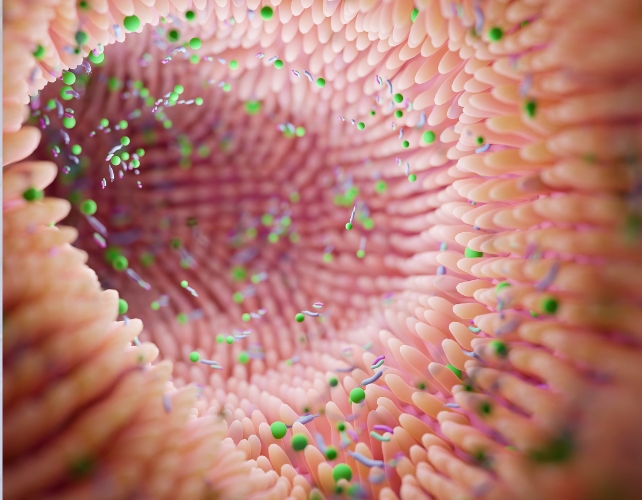
We know the gut microbiome, both in composition and activity, plays an important role in health. We also know that it can be shaped by a variety of mechanisms, from exercise to diet to disease.
Procházková and her colleagues wanted to know if we were overlooking a very simple thing that could affect gut microbes: how long they spend hanging out with poop before it makes its way to the wild loo yonder.
The team tapped into previously published research on participants' gut transit time, including stool consistency (a proxy for transit time), diet, the composition of their microbiomes, and the metabolites produced by those microbes.
Their results incorporated studies that collectively had thousands of patients, both healthy people and people with conditions such as irritable bowel syndrome, constipation, and liver cirrhosis.
Understanding gut transit time isn't as simple as keeping a record of one's poop schedule. It can involve special swallowable capsules equipped with sensors that record their journey through the digestive tract.
Another approach is the Bristol Stool Scale, a visual diagnostic tool that classifies poop based on consistency, from hard, rock-like pellets (long transit time) to a watery mush (short transit time). Some studies track how long it takes participants to pass ingested blue dye or sweet corn.
All have the same goal: To estimate how long food stays in the colon. The longer the stay, the more time bacteria have to ferment the contents, regulate gut acidity, and produce metabolites that can influence the body's health in multiple ways.
Ultimately, the team's analysis yielded fascinating results. People with faster gut transit times had dramatically different microbiomes than those with slower transit times. Adding transit times to the patient data provided better predictions of gut microbiota than simply examining diet alone.
Unsurprisingly, those with faster gut transit times tended to have microbiomes dominated by faster-growing species that thrive on a high-carbohydrate, low-fat diet. Slower transit times, meanwhile, were sometimes dominated by species that thrive on protein.
Each of these extremes also had lower gut microbiome diversity than that of people with average gut transit times, suggesting that fast and slow movement create environments where specialist species come out on top.

That would then create a feedback loop in which the dominant species in each environment releases metabolites that maintain the status quo.
Taken together, the results suggest that gut transit time is an overlooked tool for understanding how the gut works, the role it plays in overall health, and how patients respond to treatments such as probiotics.
Related: Your Poop Schedule May Be Shaping Your Body From The Inside Out
This may also help explain why the same gut health advice may not work for everyone. Two people can eat the exact same meal and get two very different results, depending on how fast their poop usually moves.
Transit times may even influence how your body responds to probiotics and certain supplements or medications that interact with the gut. This suggests that recognizing the patient's individual gut rhythm could help tailor treatments and dietary advice that precisely match their body.
"By including gut transit time measurements in gut microbiome-related studies, we can advance our understanding of the links between the gut microbiome, diet, and disease," the researchers write in their paper.
"Such insights may be key for the prevention, diagnosis, and treatment of several diseases in the gut and beyond throughout the lifespan."
The research was published in 2023 in the journal Gut.
An earlier version of this article was published in December 2025.