
I gave this talk to a group at the American Corner in Almaty in April, 2026, in Almaty Kazakhstan. I was invited to come talk about America, it’s the 250th birthday of America. I’m an American living in Almaty Kazakhstan.
We are rare.
So I took the opportunity to talk about two of my favorit things: America, and semiconductors. It’s an interesting subject, and semiconductor history ties into American culture. I like history, I’m an engineer, and I like stories . . . it’s rare I get to tie those three things together.
Being an American here feels like being a celebrity. The people, who are by far the kindest and most polite people (rivaling Omani’s who are also incredibly generous and polite), they’re genuinely curious about you and what you think of Kazakhstan. It’s not hard to find nice things to say about the place.

The lingua-franca of this region is Russian (Kazakhstan was colonized by Russia, once by the Tsars and once by the Soviets), and living here requires you to know just a bit of it. When I stepped off the plane two years ago, I did not understand a word of Russian or Kazakh, and even worse, I couldn’t read the alphabet (street signs and names can still be challenging). Kazakhs always forgive you if you don’t speak Kazakh or Russian; if they speak English, even a few phrases, they’re game to try and talk to you.
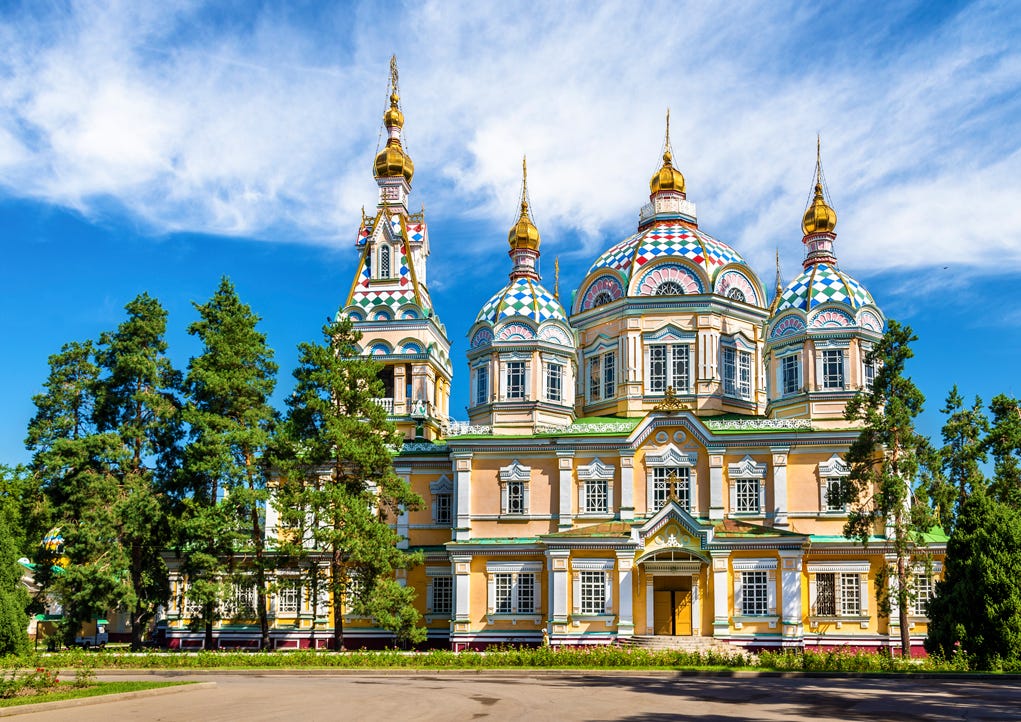
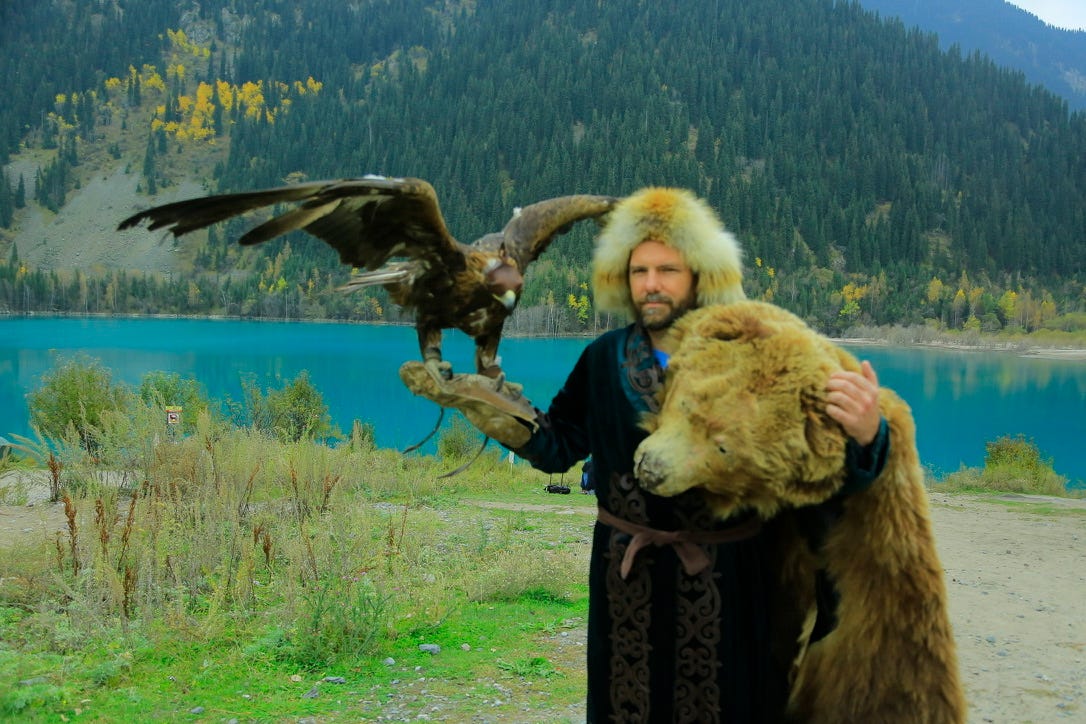
One of the most endearing things here is when you meet someone realizes you’re an American, they don’t speak English, and they grab their eldest child, and proudly tell them to speak English to you. Brave little kids come up to me all the time, at the airport, on the street, at a restaurant . . . they come right up and speak English to you. I meet so many Kazakhs that have lived and worked in the US, they always have kind things to say about my people.
So this recording was my talk, at the American Spaces, about the history of semiconductors and why they were invented in America.
Semiconductors go all the way back to Edison; he discovered the photoelectric effect (“Edison effect” . . . a foundational idea behind solid state physics) but didn’t explore it further than naming it because he was a man in a hurry, eager to make some money.
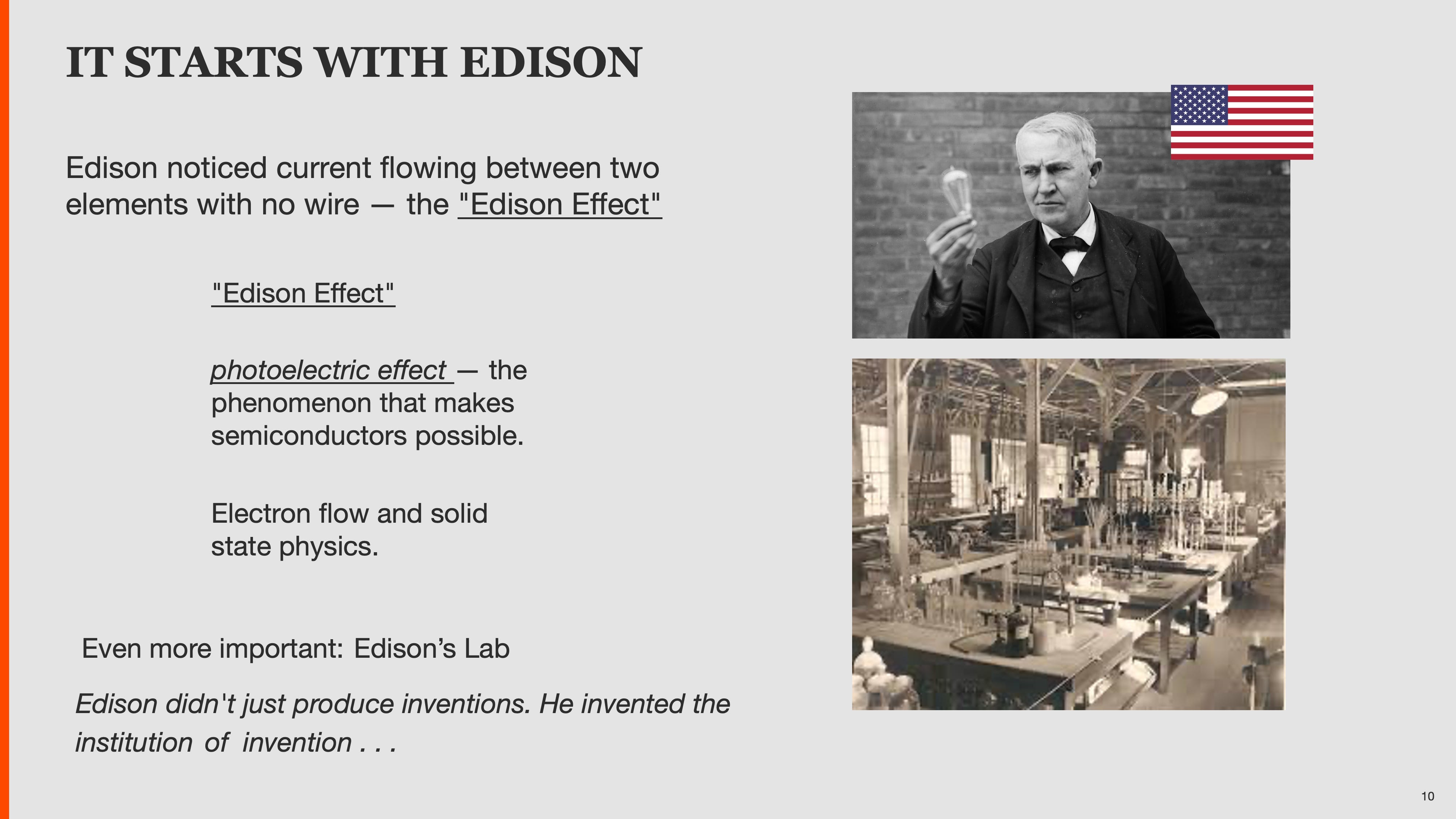
He did this at his Menlo park labs, the first commercial lab made to make inventions, which was a model for Bell Labs.
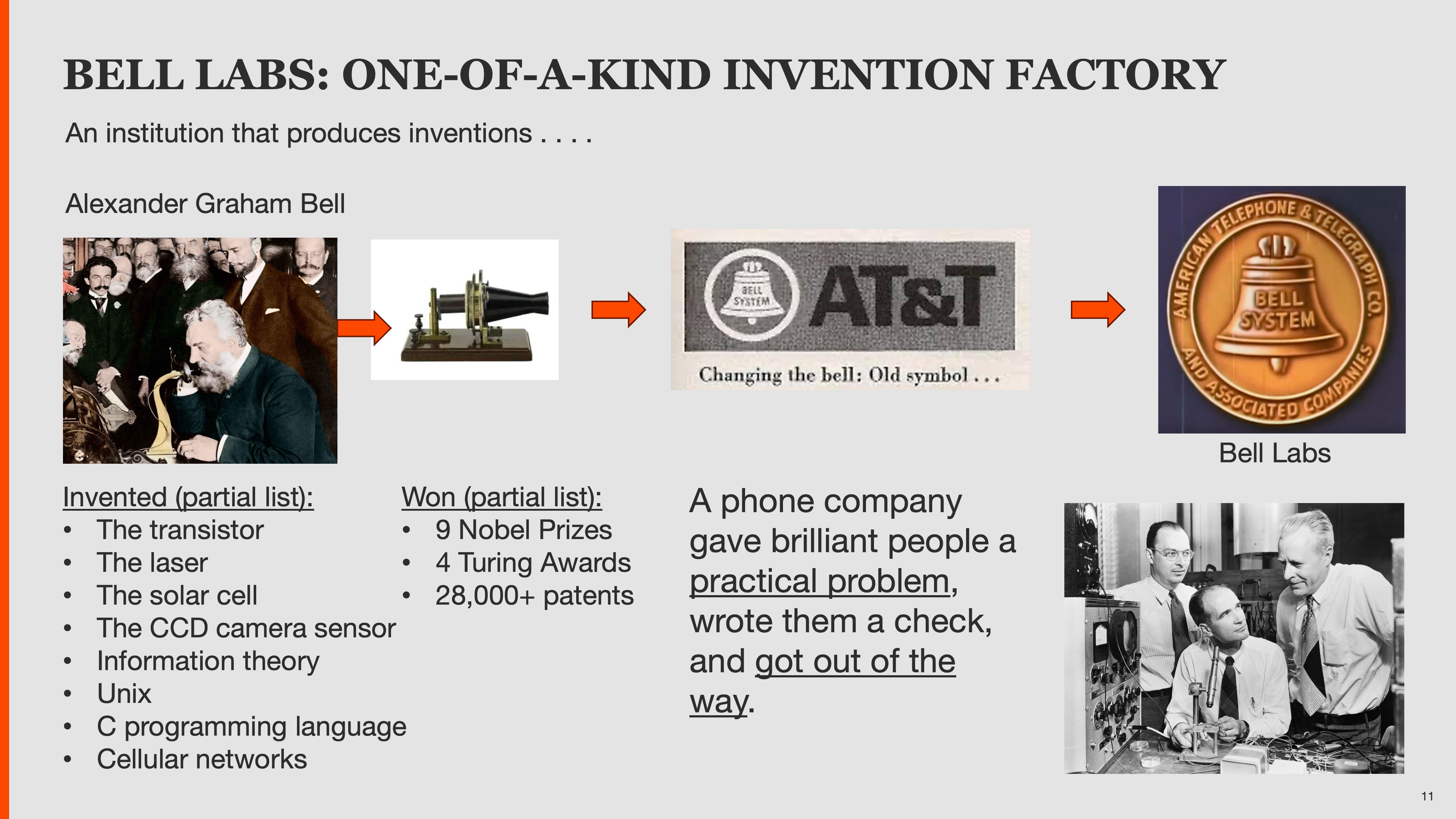
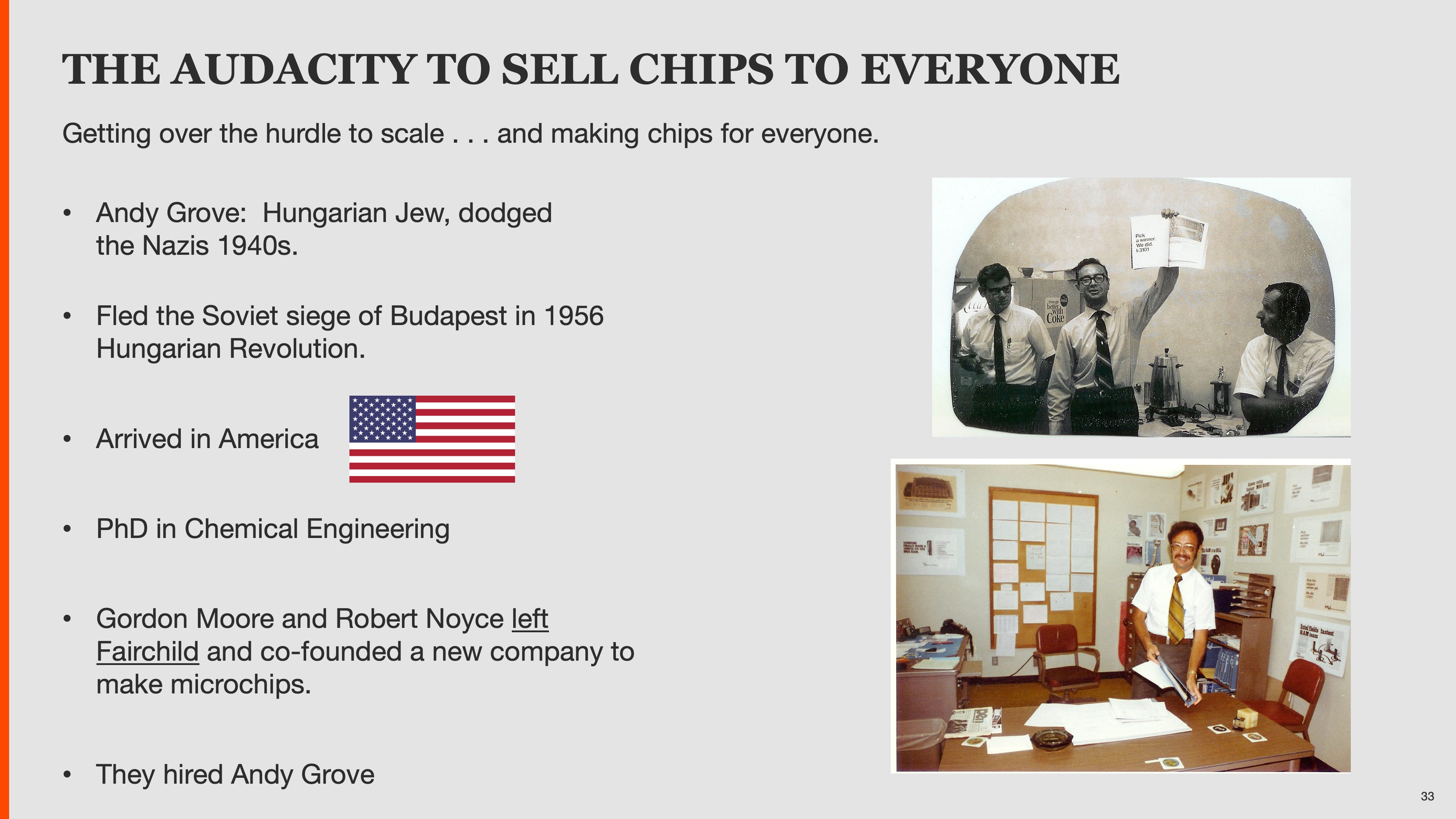
Bell Labs, an invention factory and Nobel Prize factory, was where Shockley thought of the semiconductor, and invented it. Later leaving in a hurry, eager to make his own fortune. He was a terrible manager, managed to attract and then repel the most brilliant minds of his day, who quit and formed their own company. Not because he was an anti-democratic racist eugenicist, but because they couldn’t get anything done with him in charge. Then those brilliant minds quit their company and formed their own companies, repeating the process, dividing like cells to eventually grow into the organism known today as Silicon Valley. It’s a story of immigrants, invention, idealism, anti-trust law, and practicality that is very American, and was fun to share.
I tried to be controversial with the title “This could only have happened in America”. I did this to be provocative and try to get some reaction or pushback, but Kazakhs are too polite to push back. However, the more I thought about it, the more I realized the title was pretty accurate.
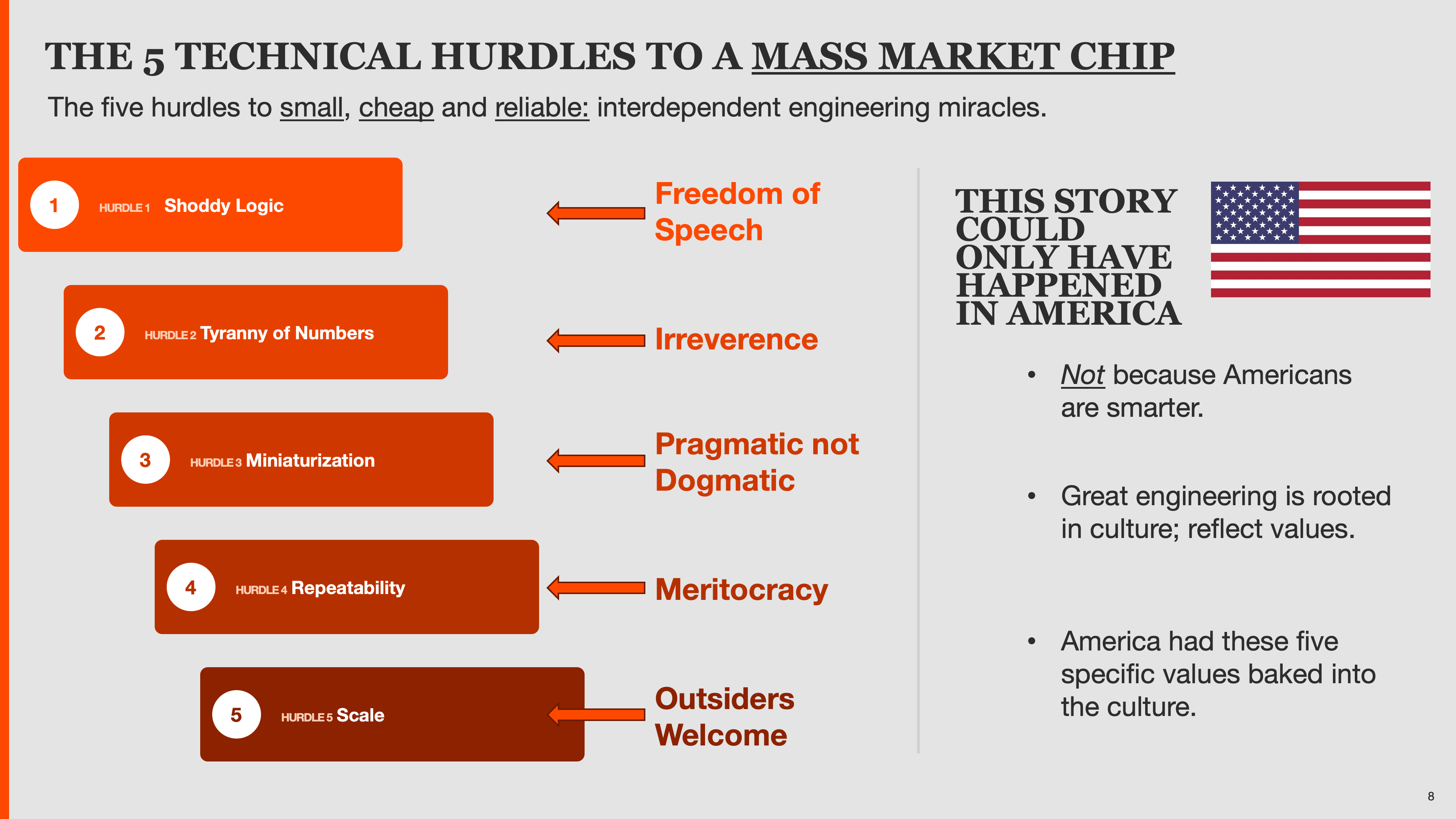
Core American values like free speech, irreverence to title and position, meritocratic operations, our openness to outsiders and outside ideas . . . these were necessary, and almost sufficient, ideas that had to be a part of the culture that created the world’s greatest engineering achievement.
This talk is my attempt to try to tie American values, the American 250th anniversary, and semiconductors together.
Happy Birthday America!