A recent piece of news concerning Google’s work on Android for tablets really drove home a point that’s been evident to many people for a long while.
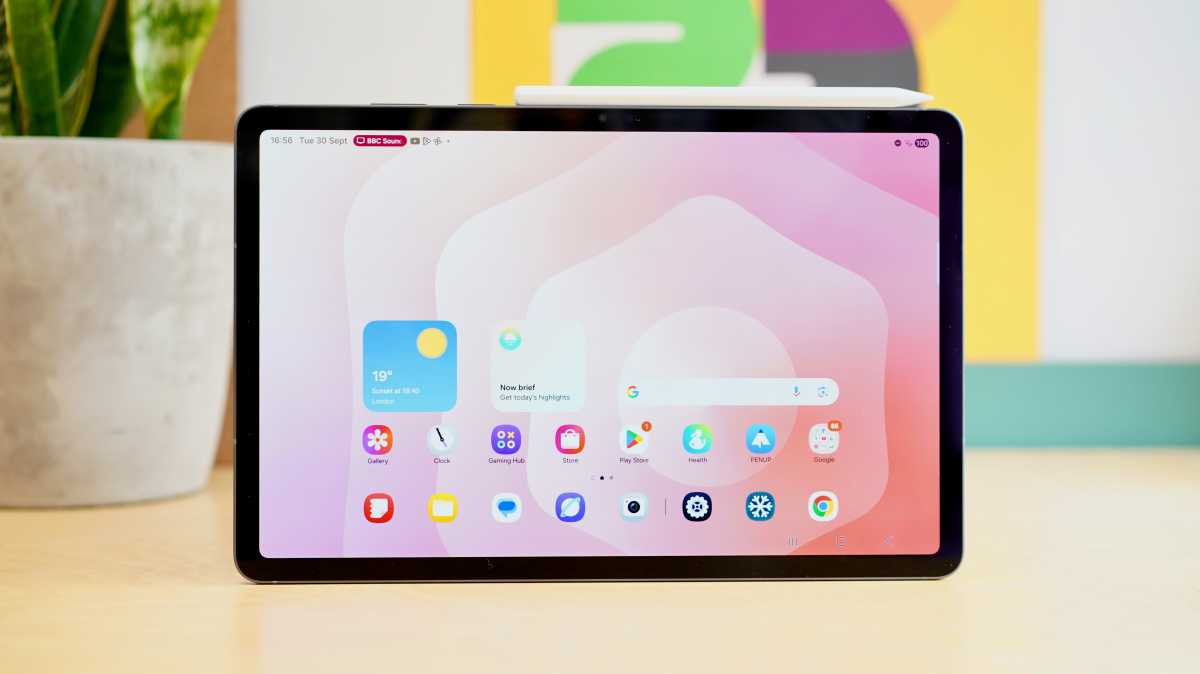
According to Android Authority, Google is about to introduce a new badge to its Google Play Store that will highlight apps designed for the larger screens of tablets (and book-style foldables, obviously).
This is ostensibly positive news, but for my money, it speaks far more to Google’s whopping great failings in the tablet space.
Google’s tablet blind spot
You could question why it’s taken Google this long to highlight tablet-ready apps in such a fundamental fashion – Android tablets have been a thing since 2010, after all.
But I think it speaks to a far more fundamental issue. Why is Google still struggling with the split between apps that have been properly optimised for tablets and those that are simply stretched out phone apps?
This seems to be a problem from an earlier era, yet here it is, still plaguing Android tablet owners in mid-2026.
Jon Mundy / Foundry
Apple’s tablet dominance
Suffice to say, Apple doesn’t worry about any of this stuff. While there are still instances of mobile apps not coming to iPad for a protracted period – can you believe that WhatsApp only got a native iPad app last year? – you can generally count on a massive library of properly iPad-ready applications.
It’s no wonder Apple dominates the tablet market, with the iPad series making up a 51.5% share as of early 2026, according to StatCounter. And before you say “that’s only just over half”, remember the fractured nature of the Android tablet, and consider the fact that Samsung is in second place with just 25.8%.
This really is Apple’s domain, and it could take the whole darned thing if it wanted.
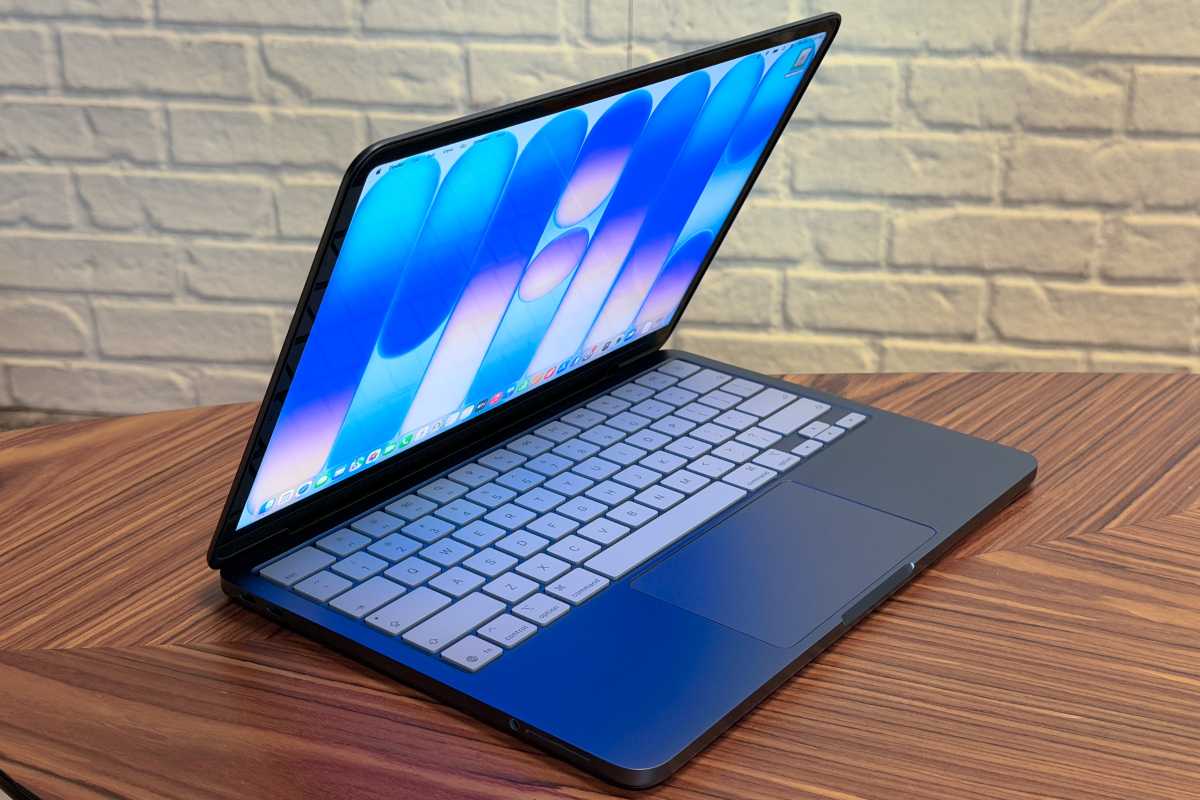
Who knows, maybe under John Ternus’s leadership, it will. After all, the newly anointed Apple CEO drove the development of the MacBook Neo, and that’s the product that could point the way to a total tablet shutout.
Foundry
Waiting for a saviour named Neo
While we generally leave Mac coverage to our colleagues at Macworld, we do keep an eye on Apple’s laptops – not least because many of us choose to use them for work. Make no mistake, we know all about the MacBook Neo.
It’s a landmark product from Apple, seeing the company finally dipping its toes into the affordable laptop market. The MacBook Neo is a bright, hugely accessible, impressively capable yet surprisingly affordable laptop that retails for just £600/$600.
At this price, it enters into the conversation for your average student. It’s also, not coincidentally, the area of the market in which so many cheap and nasty Windows laptops operate. Frankly, they never stood a chance.
The next step for Apple seems clear to me: make an iPad Neo and lock up the tablet market. Give us a brightly coloured £200/$200ish full-sized tablet, with Apple’s peerless handle on the whole software and hardware pipeline, and its impressive custom silicon operation.
Part of me questions whether I should be wishing for a virtual monopoly to get even stronger, but really, Google and its Android cohorts only have themselves to blame. They’ve had 16 years to build a compelling, consistent Android tablet ecosystem, but there have been far too many half-steps and false dawns.
Indeed, just as the MacBook Neo is shaking up the Windows laptop industry, an iPad Neo could be just what the Android tablet scene needs to shake it out of its stupor.