
Biotech entrepreneur and former 2024 presidential candidate Vivek Ramaswamy just beat the pants off of political newcomer Casey Putsch (R) by a margin of 82% - 18% (approximately 530,000 votes to 116,000) in the Ohio gubernatorial primary.
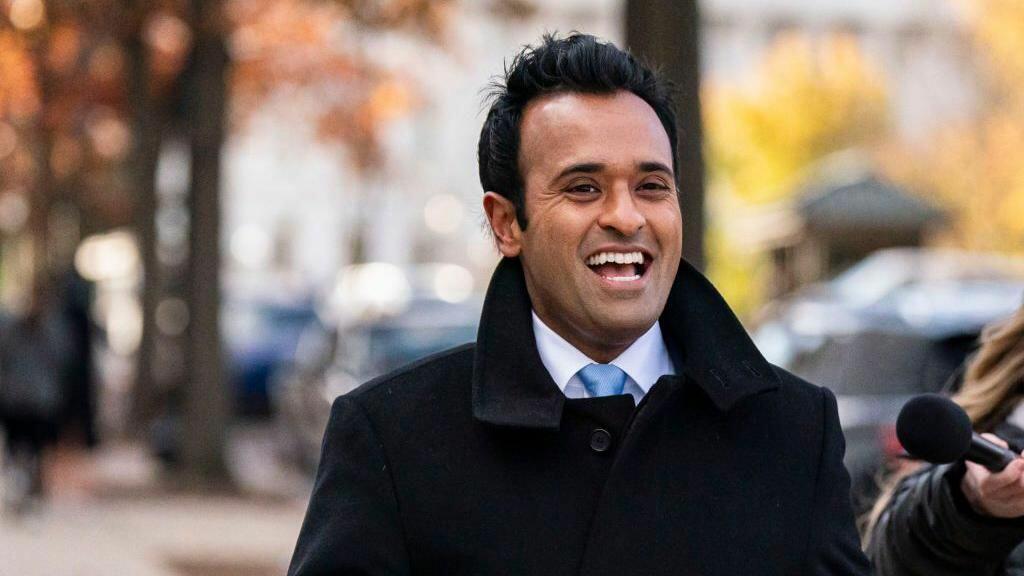
The win positions Ramaswamy to face Democrat Amy Acton, the former Ohio health director who led the state’s COVID-19 response and won her party’s nomination unopposed, in the November general election. Acton’s running mate is former Ohio Democratic Party chair David Pepper.
The Republican primary lacked suspense after Ramaswamy, 40, secured early endorsements from President Trump and the state party. Still, the scale of his victory surprised some observers given his relatively recent entry into Ohio politics.
Ramaswamy announced his candidacy in February 2025 after stepping down from his role in the Department of Government Efficiency (DOGE), the Trump administration initiative he co-led with Elon Musk. He has framed his gubernatorial bid as a natural extension of that work - bringing a “startup mindset” to Columbus to make Ohio a national leader in innovation, economic growth, and government efficiency.
His campaign was exceptionally well-funded. Ramaswamy raised more than $25 million from donors and contributed another $25 million of his own money, ending the primary with over $30 million in cash on hand — resources he used for a $10 million television ad blitz in the final weeks. The spending underscored his determination to lock down the nomination early and build momentum for the fall.
Still, the scale of his victory was notable given lingering divisions within the GOP base over one of his signature policy positions: H-1B visas.
Calling the system 'badly broken,' Ramaswamy has called for replacing it with a pure merit-based system designed to attract the world’s top STEM and technical talent, insisting this is essential for U.S. competitiveness against China - except he shat on Americans in saying so. In a widely discussed December 2024 post, he attributed American companies’ preference for foreign-born engineers partly to cultural factors, writing that the U.S. has “venerated mediocrity over excellence for way too long” and that immigrant families often prioritize achievement more rigorously than “normal” American households.
Critics, including some Trump supporters and anti-H-1B voices, accused him of wanting to displace American workers and favoring foreign (particularly Indian) talent. His primary opponent Casey Putsch and online influencers amplified claims that Ramaswamy’s companies had previously used the program (filing for 29 H-1B visas historically) while publicly criticizing it. The backlash intensified after Trump’s endorsement, with some MAGA accounts posting comments like “Better work on your H-1B visa.”
His brief tenure at DOGE ended when he resigned to pursue the Ohio governorship, a move some critics viewed as opportunistic but which supporters praised as prioritizing state-level impact. Trump’s enthusiastic endorsement on the night Ramaswamy launched his campaign gave him instant credibility with the GOP base.
Amy Acton, 60, has positioned her campaign around affordability - targeting inflation, gas prices, and housing costs. The fact that she was a lockdown nazi during COVID, however, remains a potential vulnerability in a state that has trended strongly Republican in recent cycles.
Ohio has not elected a Democratic governor in nearly two decades. Yet early polling has suggested the general election could be closer than the state’s partisan lean might indicate, particularly if national headwinds affect Trump-aligned candidates or if Acton successfully mobilizes suburban and independent voters.
The race is already shaping up to be one of the most expensive gubernatorial contests in Ohio history.