
The gamers taking on the industry to stop it switching off games
 Ubisoft
Can a company take away something you've already paid for?
In the world of online video games, some already do. Publishers can decide to switch off a game's servers, often leaving it effectively unplayable.
Stop Killing Games, a growing consumer rights campaign started by American YouTuber Ross Scott in 2024, is challenging that practice.
In January, the group submitted a petition featuring nearly 1.3 million signatures to the European Commission, triggering a public hearing in the European Parliament in April. What began as an online campaign is now awaiting a decision from one of the EU's most powerful institutions.
Scott's campaign began following an announcement from the major studio Ubisoft, saying it would shut down the online-only racing game The Crew in 2024.
The French company said it was taking the game, which attracted more than 12 million players during its lifetime, offline, citing "upcoming server infrastructure and licensing constraints".
For players such as Chemicalflood, who told me he had been playing The Crew for nearly a decade, the move - which left the game unplayable - felt personal.
"I was around 18 at the time of the launch - it was a big part of my adult life growing up," he said. "It was a great escape from hardship at the time, so it has always been something special to me."
Over the years, he said, the game became something he shared with his children, who enjoyed exploring its virtual recreation of the United States.
"The shutdown itself wasn't upsetting," he explained. "But how they handled it was the kick in the teeth."
For Chemicalflood and many fans like him, the issue was not that Ubisoft ended support. It was that players lost access altogether.
 Stop Killing Games
The announcement from Ubisoft caught the attention of Scott, also known online as Accursed Farms, who had already been creating content around the issue of ownership around games for several years.
"I just hate seeing creative works effectively destroyed," he told me.
He quickly decided to start a campaign, naming it Stop Killing Games - the killing referring to when "every copy of that game that's ever been sold has been disabled, and no one on the planet can run it".
Whammy4, a gamer who founded the fan community The Crew Unlimited and helped lead efforts to preserve the game after its shutdown, likened it to "someone just breaking into your home and stealing your bike or your car".
"You buy a physical copy of a game, you bring it home and install the game, you play it for some amount of time. Then all of a sudden the publisher completely destroys all copies of the game worldwide, including yours."
"No refunds, no actual heads-up at the time of purchase, and nothing you can do to keep it at all," he said.
Industry response
Ubisoft has already defended its position in court. Responding to a proposed class-action lawsuit brought by two The Crew players in California, the studio argued that customers had purchased a licence to use the game, not unlimited ownership rights, and that players had been warned online services would not be available forever.
The lawsuit was dismissed without prejudice in June 2025, after the plaintiffs voluntarily withdrew the case.
The wider games industry has also pushed back against the campaign.
Video Games Europe, which represents many of the industry's largest publishers, said shutting down online services "must be an option" when games are no longer commercially viable.
It also warned that some of the campaign's proposals could make online-only games significantly more expensive to develop.
"In no way are we asking companies to keep servers running or services going, they can end it any time they want," said Scott.
Instead, he and his fellow campaigners argue that when a game is shut down it should be done "responsibly", with publishers considering "end-of-life plans" such as updating the game to work offline or releasing software that allows players to continue running it.
Live-service games
While The Crew may have lit the touchpaper for Stop Killing Games' launch, there have been many games before and since which have suddenly been shut down.
The issue has become more prominent as online-dependent "live-service" games have grown across the industry.
In May, Sony announced plans to discontinue support for the multiplayer title Destruction AllStars.
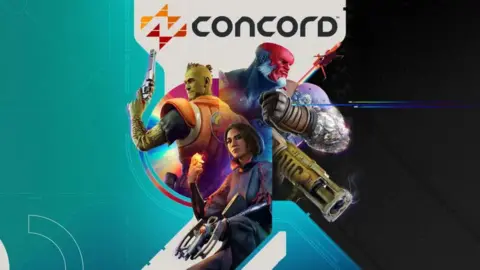
Meanwhile, Sony's live-service shooter Concord was taken offline less than two weeks after launch in 2024 after struggling to attract players, although customers were offered full refunds.
 Sony
SonyJoost van Dreunen, a professor of games business at NYU Stern, argues that unlike books, films or music, many games are built around communities and online interaction.
"Games, especially live-service games, are more like digital communities and much less so consumable experiences," he said.
But sustaining those communities has become increasingly difficult in a market dominated by long-running successes such as Fortnite and Call of Duty, he explained.
As audiences shrink, publishers often decide to shut down servers and move on.
"Every new live-service game invents its own demise," van Dreunen said.
The campaign reaches parliament
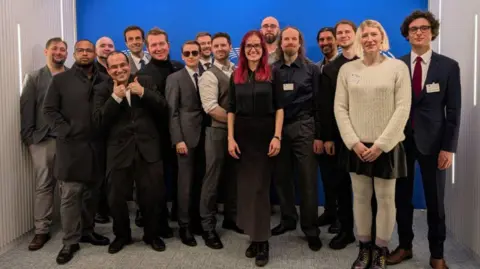
The campaign is now being fought on multiple fronts, and as such features a team of people, including organiser Moritz Katzner, advocating for it alongside Scott.
The European Commission must respond to the European Citizens' Initiative - the petition brought by the group - by 27 July.
In March, French consumer group UFC-Que Choisir launched legal action against Ubisoft over the shutdown of The Crew, arguing that players were misled about the permanence of their purchase and that some of the company's contract terms were unfair. The case remains ongoing - Ubisoft said it did not comment on ongoing litigation when asked for comment.
The UK government has so far resisted calls for new legislation.
Although a Stop Killing Games petition secured a parliamentary debate, with over 100,000 signatures, ministers said they had no plans to amend consumer law.
"Those selling games must comply with existing requirements in consumer law, and we will continue to monitor this issue," they added.
 Stop Killing Games
Meanwhile, in the United States, campaigners have backed California's proposed Protect Our Games Act, which would require publishers to either keep games playable after online support ends or offer refunds.
The bill has already passed the California State Assembly and is now being considered by the State Senate.
For Scott, the journey from campaign launch to parliamentary debate has been a long and exhausting one, although one he could also not imagine abandoning.
Both he and his team are aware there may still be many months, maybe years until they can potentially put the campaign to rest, but the debate it has sparked shows no sign of disappearing any time soon.

Sign up for our Tech Decoded newsletter to follow the world's top tech stories and trends. Outside the UK? Sign up here.