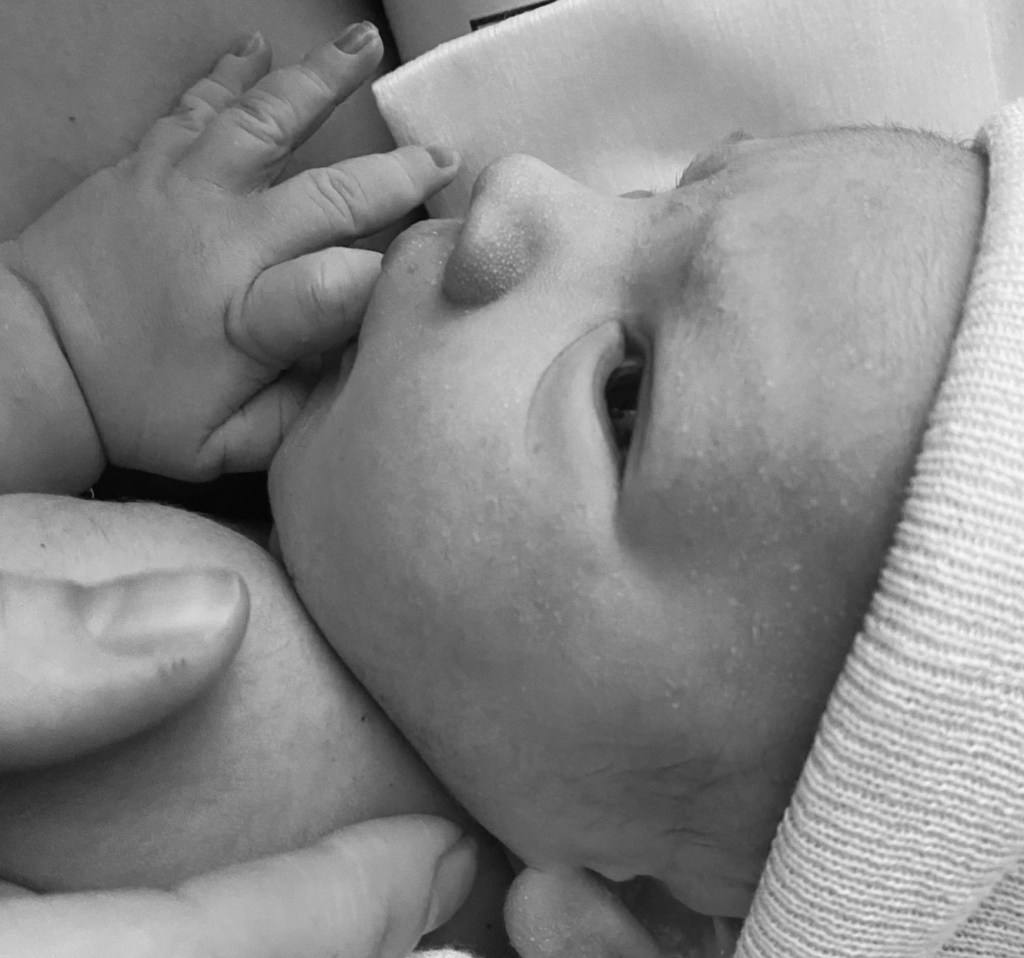
Owen arrives
On September 23rd, 2021, my first son Owen was born. Clearly inheriting his mom’s type-A personality, he arrived on his due date at a chunky 8.75 lbs. We were over the moon.
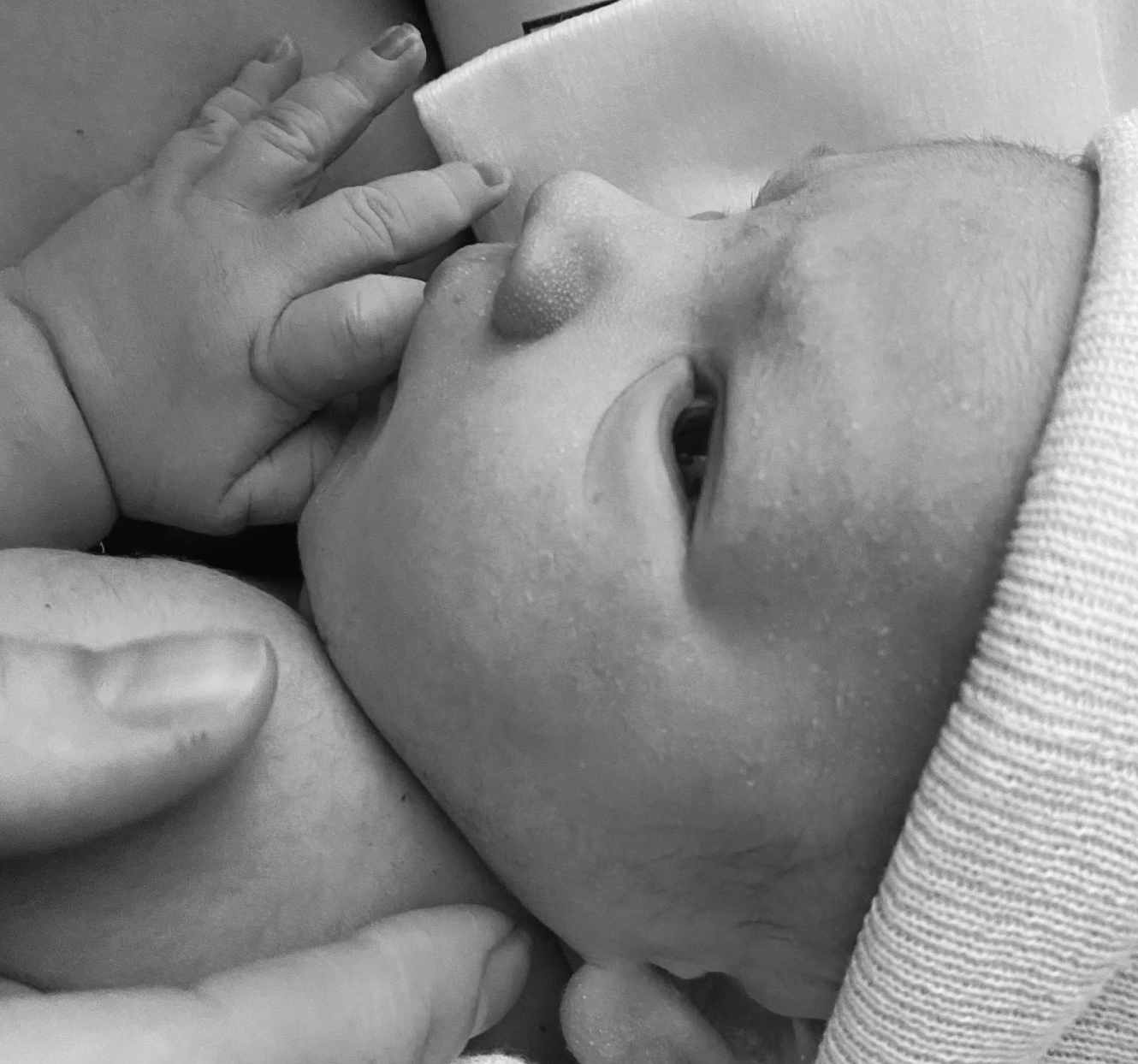
Until we weren’t. At a few hours old, we noticed cute snoring. The nurses noticed nostril flaring. He was having trouble breathing.
“No problem,” they said, “Many babies born at altitude need a little oxygen to get started.” We put him on an oxygen cannula.
A few hours later, his oxygen saturation was still falling. Nurses were panicking. The neonatology NP was paged in. She performed an emergency intubation and called for helicopter transport to Children’s Colorado.
By the time we arrived at Children’s, his oxygen had stabilized. The team reassured us there was nothing to worry about. Transitioning from “breathing” the mother’s blood to gaseous oxygen is hard (if you don’t know how this transition happens, read about it; it is fascinating). Big guys like him never stay long in the NICU.
Days turned to weeks. No one had any idea what was wrong. One pulmonology fellow suggested a structural problem with the lungs, but we bristled at the suggestion. Our little boy was perfect.
Until he wasn’t. A routine dressing change sent him into a pulmonary event. His oxygen plummeted. Alarms were ringing. Doctors were sprinting down our hallway. Our little boy was blue.
We were rushed into a consent for ECMO, a lifesaving surgery that oxygenates the blood outside of the body with a machine. It is used as a bridge to a permanent treatment, but was this a bridge to nowhere? We had seconds to consent. Without it, Owen would die. The neonatology chief assured us that no family had ever regretted the extra time with their child. We signed.
The surgery went smoothly. Owen’s blood oxygen was pinned at 100 for the first time in his life. But we had no idea how to get him off the machine.
A missed diagnosis
Owen’s care team suspected a lethal disease called alveolar capillary dysplasia (ACD). ACD is invisible to the naked eye, but victims have microscopic defects inside the gas exchangers in the lung. Previously, a diagnosis required an invasive operation involving extracting a piece of the lung, but in 2009 Paweł Stankiewicz discovered the genetic cause, enabling diagnosis with a cheek swab.
We collected a sample and sent it to the best genetics lab in the country for whole genome sequencing (WGS), the gold standard NICU diagnostic.
Days went by. We knew that “easy” cases came back faster. Ours wasn’t easy. Two weeks passed and the lab returned empty handed. Our boy wasn’t getting better, but he did not appear to have ACD. We had hope for a cure.
Over the next four weeks, that hope was slowly crushed. We tried one treatment after another. None worked. It became clear that Owen couldn’t survive outside the hospital. We made the hardest decision of our lives. We said goodbye.
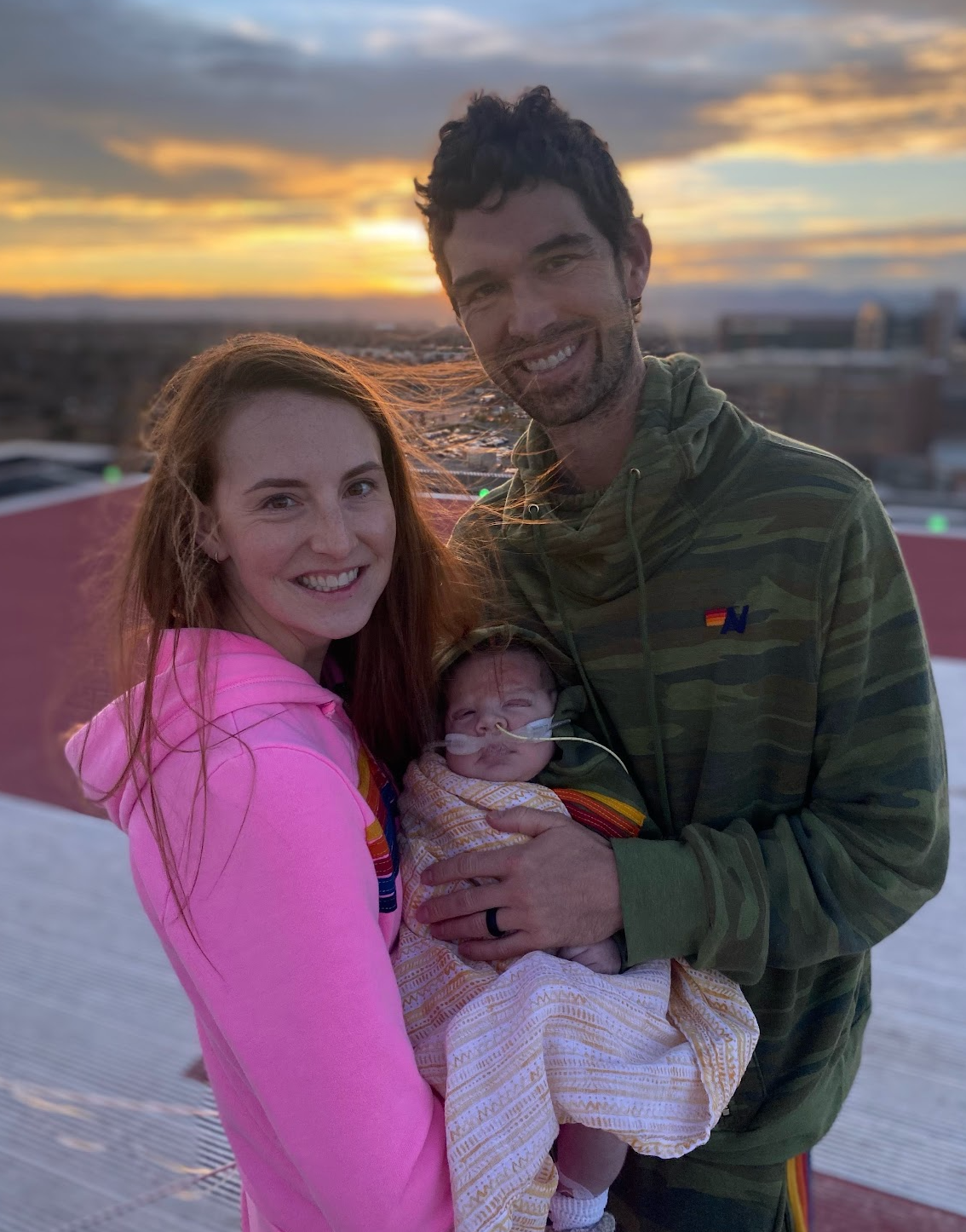
Our search for an answer
We had previously reached out to Dr. Stankiewicz to take a look at our case. Saying goodbye would have been easier had we known with certainty there was no hope. But he couldn’t. Reanalyzing a genome is labor intensive and his lab receives queries from all over the world from desperate families. He needs to pick cases on which he believes he can be most helpful. In our case, it means seeing a pathologist-confirmed ACD diagnosis.
Post-mortem, we performed a lung biopsy. The pathologist clearly saw the thickened alveolar walls and disordered circulatory elements characteristic of ACD. With this evidence in hand, Dr. Stankiewicz offered to take a look at his genome.
Both relief and heartbreak swept over us when we received the call. Dr Stankiewicz discovered what took Owen from us. He was missing a 91 kilobase piece of DNA that enhanced the expression of FOXF1. Without this enhancer, FOXF1 expression was too low to promote healthy lung development.
We were relieved because we had an answer. People outside this world often question the point of a diagnosis without a treatment, but the knowledge itself can be healing. Knowing Owen’s fate was sealed at conception freed us from a lifetime of self-blame and questioning.
We were heartbroken because we put him, us, and the hospital staff through 8 weeks of avoidable hell (or 8 weeks + 9 months, depending on how you feel about pregnancy). Was there a way to break the expertise bottleneck we faced and scale Dr. Stankiewicz’s expertise to all babies that could benefit?
The years after Owen’s death were hard. Tori and I fell in love partially because we somewhat uniquely wanted a family in the anti-natal communitarianism of SF. But it wouldn’t be straightforward for us. However, after too much genetic testing and adoption training and 6 rounds of IVF, we finally had another baby boy, Warren, on the way.
We were elated, but a dark cloud appeared during the 16-week ultrasound. We noticed something. Something maybe bad. Really bad. Given our history, Tori’s doctor immediately offered a foot-long amniocentesis needle and prenatal WGS.
Like all of the others, this WGS came back non-diagnostic. Unlike the others, my heartbreak had passed the point of hopelessness and I was ready to do something. I contacted every lab we had worked with and requested access to all genomics files. I was going to figure this out myself.
After a few days, my initial results shocked me. The prototype I built not only accomplished my original goal of confirming that Warren seemed healthy (spoiler: everything is fine), but it found the genetic mutation that took our first son Owen’s life. How could something I built so quickly outperform the top sequencing lab in the country?
I spent the next few months trying to uncover the answer to this question. It was clear that something about my approach was interesting. It was not clear what I should do about it. Was this an open-source project? A foundation? A company? Another PhD?
I learned that WGS-upon-admission would save lives and money. I learned that genetics programs lose money and are limited to top hospitals. I learned most of the cost and complexity in clinical genomics lies in human interpretation. I learned that WGS labs make a healthy business. I learned that Owen’s suffering was avoidable with technology. And most importantly, I learned that while most of healthcare is screwed up and unfixable, improving NICU diagnostics felt tractable.
I decided to start Gamow Labs–named after a famous cosmologist who made significant contributions to genetics and gave his name to the building where I studied physics–to solve this problem. My goal is to harness frontier models to perform clinical genetic analysis to democratize access to WGS diagnostics.
My early results are positive. In addition to solving my own cases, I partnered with an academic geneticist to benchmark a larger cohort. Across 66 rare-disease cases clinical labs had left unsolved, my system identified every variant since confirmed as causal, produced zero false positives on the negative controls, and cracked at least two cases no one had solved — one driven by a disease mechanism that’s been documented only a handful of times (manuscript in review). This contribution provided peace to two sets of parents. Further, these long-awaited answers will expand the aperture of future diagnostics. And more abstractly, it clearly shows the value of AI to scientific discovery when the models are harnessed correctly.
The mission
While I am starting in the NICU, a population that is both close to my heart and highly enriched for genetic disease, my core thesis is that this is just the beginning of genomics for everyone. The NICU is the ideal test bed to apply AI to clinical genomics and building systems to enable new discovery, but the learnings Gamow Labs will develop in this setting will scale to all people who can benefit from precision medicine.
If this mission interests and motivates you, please reach out. In the words of the great Coach Prime, “I ain’t hard to find”. I am hiring several Members of Technical Staff to accelerate progress. If you are either an AGI-pilled computational biologist or AI scientist or engineer with a maniacal interest in biology and genetics, I want to hear from you!