Meta — the same company that declared in 2021 that by now you’d be living in the “metaverse” — sold a few million camera glasses for pervs and, all of a sudden, the next future envisioned by Mark Zuckerberg’s unhinged mind is one where we all walk around wearing camera glasses powered by “artificial intelligence.”
Yes, Silicon Valley CEOs believe the best way to curb screen addiction at 20 cm from your face is to strap screens 20 mm from your eyes.
Silicon Valley operates like an insular small town where trends spread fast and nobody wants to be left behind. The difference is that there, any “trend” means incinerating billions of dollars and threats to humanity drawn from dystopian futures that five or six unimaginative guys read about as kids, misunderstood, and never bothered to revisit.
Many of these misguided ideas crash against cultural reality. Even when the technical challenges are solved by the best engineers alive, the hard part is convincing ordinary people to spend hours every day with a virtual reality headset strapped to their faces, for example.
For some reason, Apple — which usually waits until last to enter new markets — jumped on this one. It was probably the last, since the Vision Pro’s launch coincided with the modest success of the Meta Ray-Ban glasses, which redefined the race for humanity’s next computing interface. Here we go again…?
Setting aside utility (which is questionable in its own right), I’d like to make a fashion/cultural argument that the “smart glasses” trend is also a dead-end.
This is simply a handful of tacky men with no original ideas who decided to start thinking again — which is always dangerous.
Before we get to the glasses, I think it’s worth noting the (perhaps only?) photo of Apple CEO Tim Cook wearing the ridiculous Vision Pro for a profile in Vanity Fair:
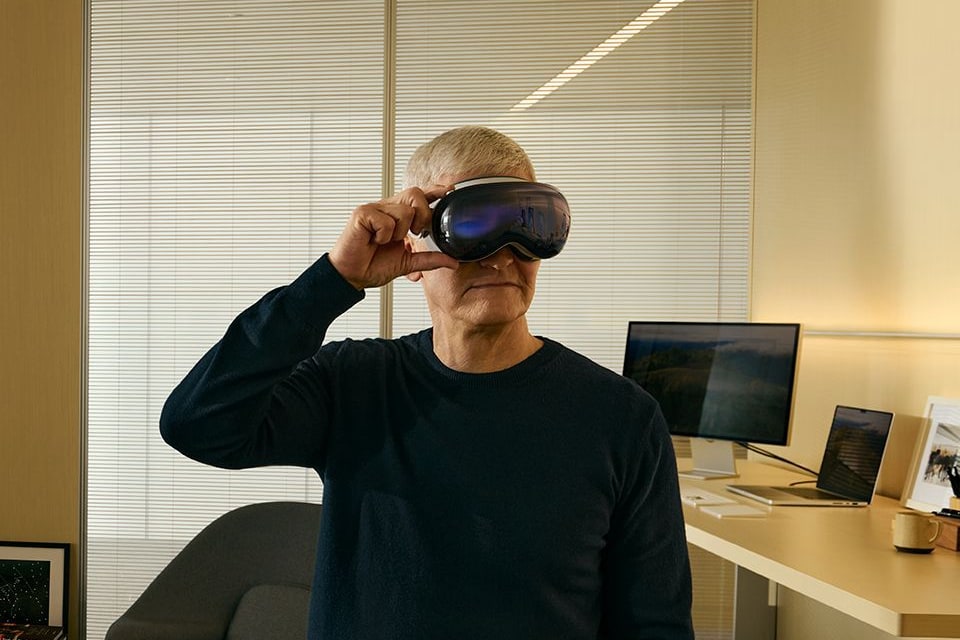
You can search for other photos of Cook wearing the Vision Pro in Apple’s promotional materials, including the device’s announcement video. There aren’t any. I wonder why.
***
The dream of layering digital information over reality — known as augmented reality — has been around for a long time. It says a lot that the biggest success of anything like it wasn’t a pair of glasses but a phone app: the geolocation data gatherer used to train killer drones known as Pokémon Go, circa 2015.
A few years before that, Google pioneered the ugly glasses market. Google Glass featured just a frame and a small transparent block over the right eye to display information. Larry Page and Sergey Brin, Google’s co-founders:
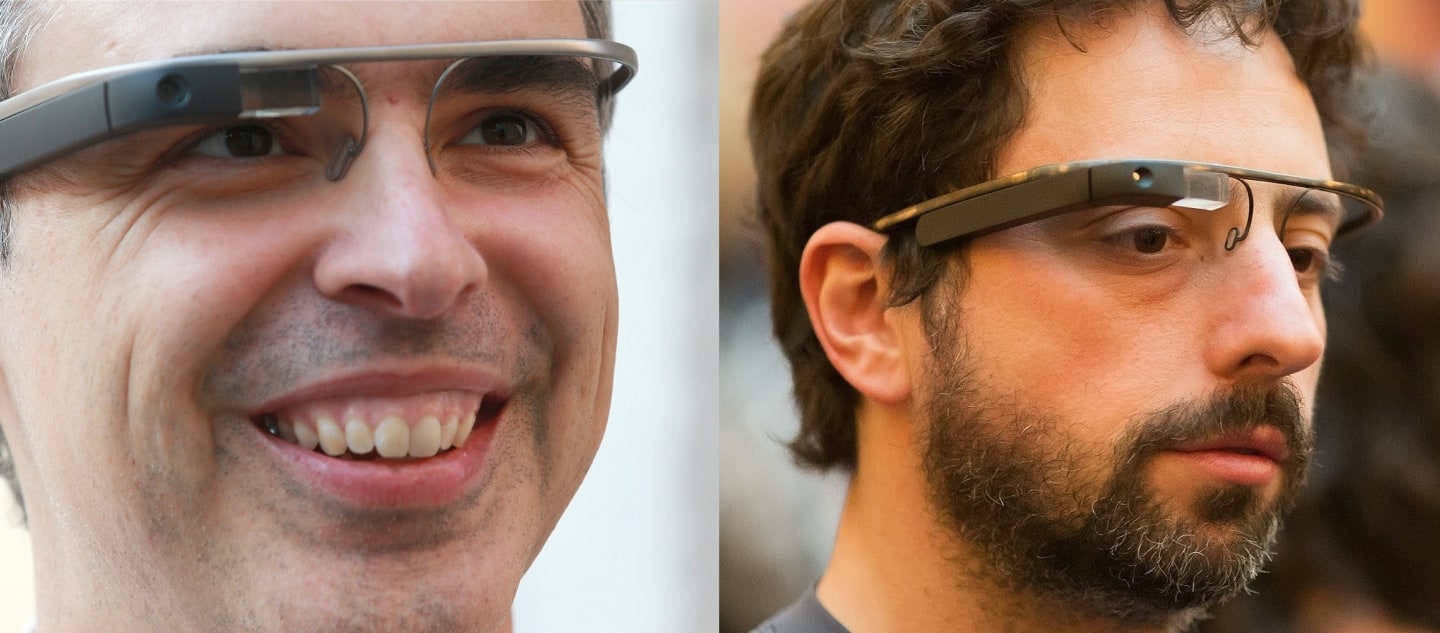
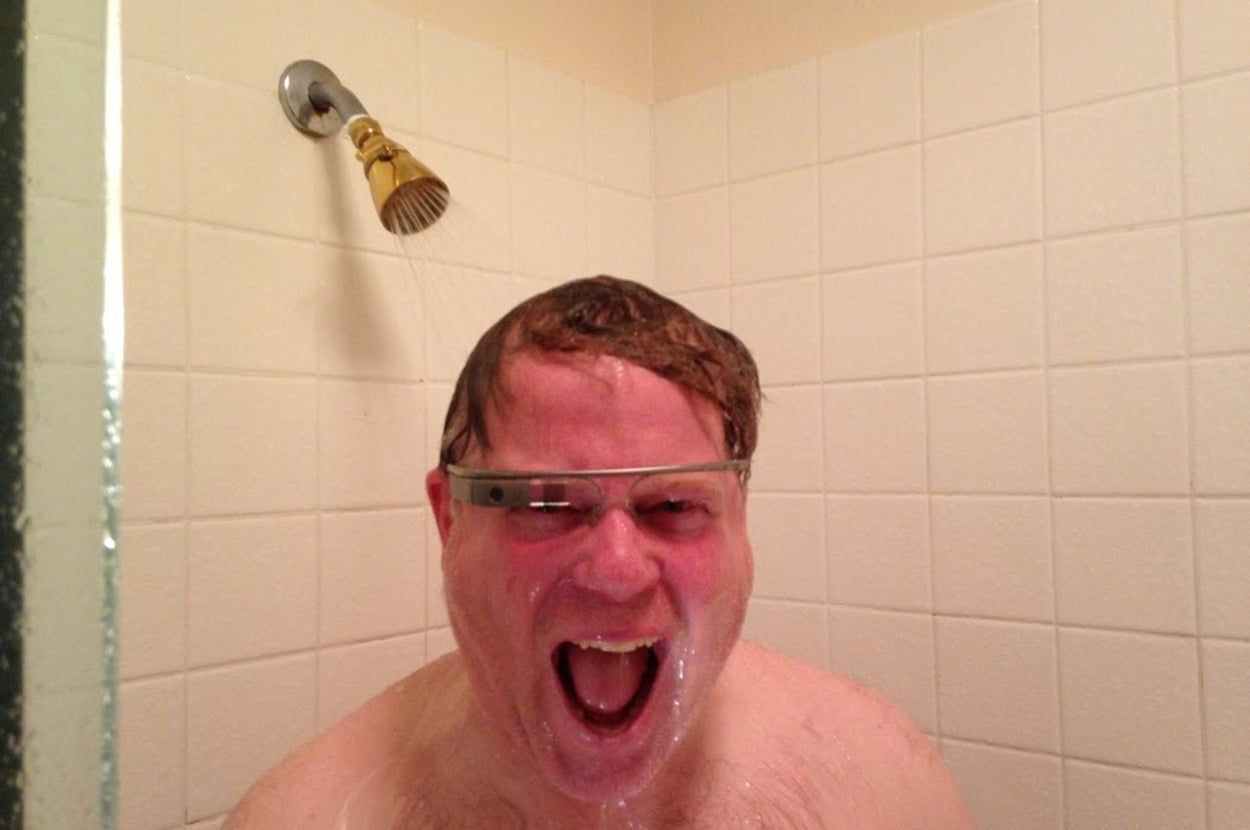
You’ll find only CEOs wearing ridiculous glasses in this piece. I’ll make one exception for Google Glass. The photo below — of startup cheerleader blogger Robert Scoble wearing his in the shower — proved to be the photograph that finally doused (!) Google’s ambitions to mainstream its bizarre eyewear:
Mark Zuckerberg, Meta’s CEO and the archetypal tacky guy, can be seen as the ringleader of this new push to popularize camera glasses. Because, let’s be honest: even though all these companies market their glasses as “smart” and “AI-powered,” the real story is that most people buying Meta Ray-Bans are interested in the camera — either to film family vacations, or to use the discreet, easy-to-miss and also to hide recording light to secretly film women in public.
In their second generation, even with EssilorLuxottica and the iconic Ray-Ban design behind them, the glasses are still ugly:

Since miniaturization hasn’t advanced far enough to hide chips and batteries inside normal-looking frames, all of them have those thick rims. They bring to mind the late Shelley Berman’s glasses as Larry David’s father in Curb your enthusiasm. For reference:

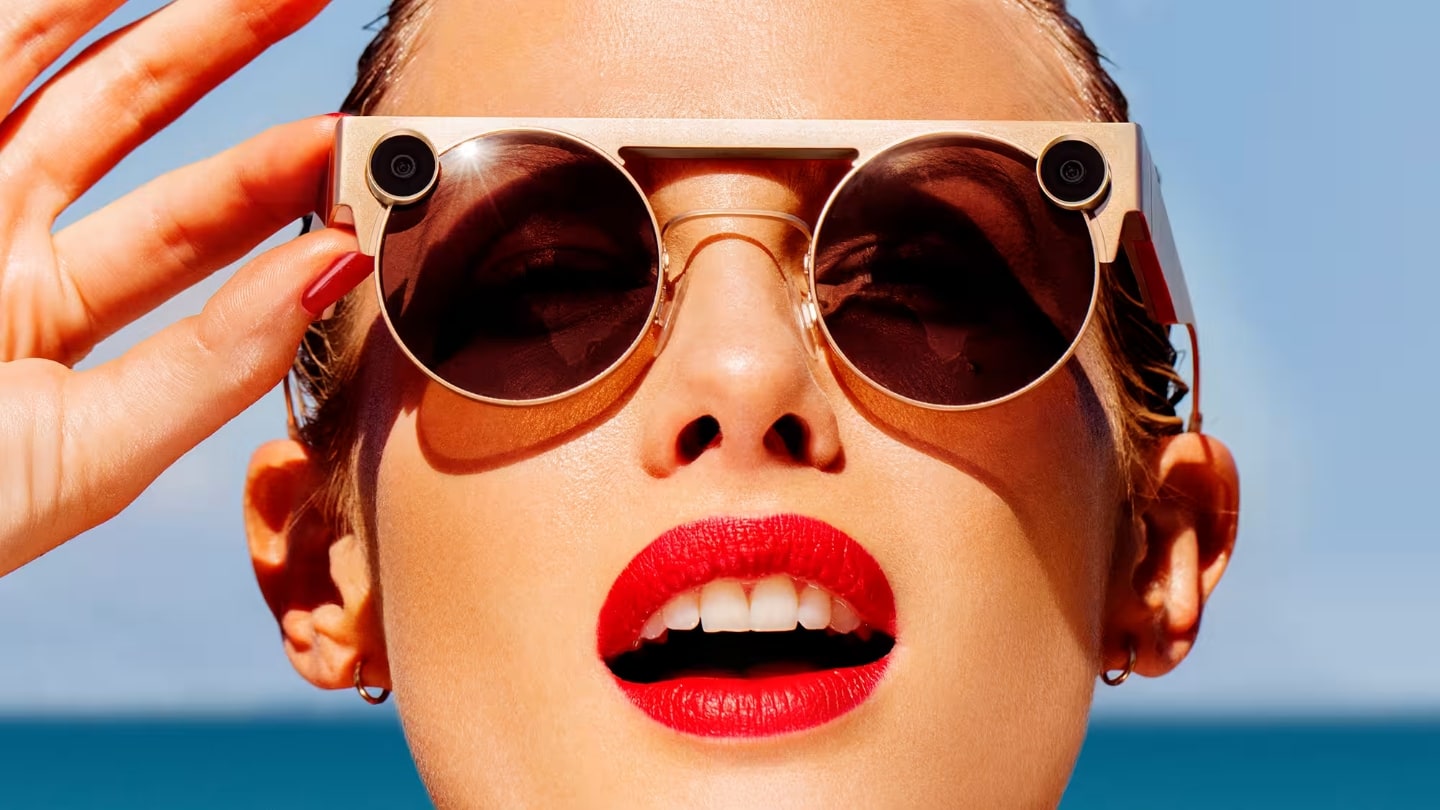
Snap, owner of Snapchat (which still exists), deserves credit for betting on the current trend years ago. The company’s first camera glasses, the Spectacles, launched in 2016. There was nothing “smart” about them — just a camera connected to Snapchat on your phone. Not coincidentally, they’re the least tacky item on this list:
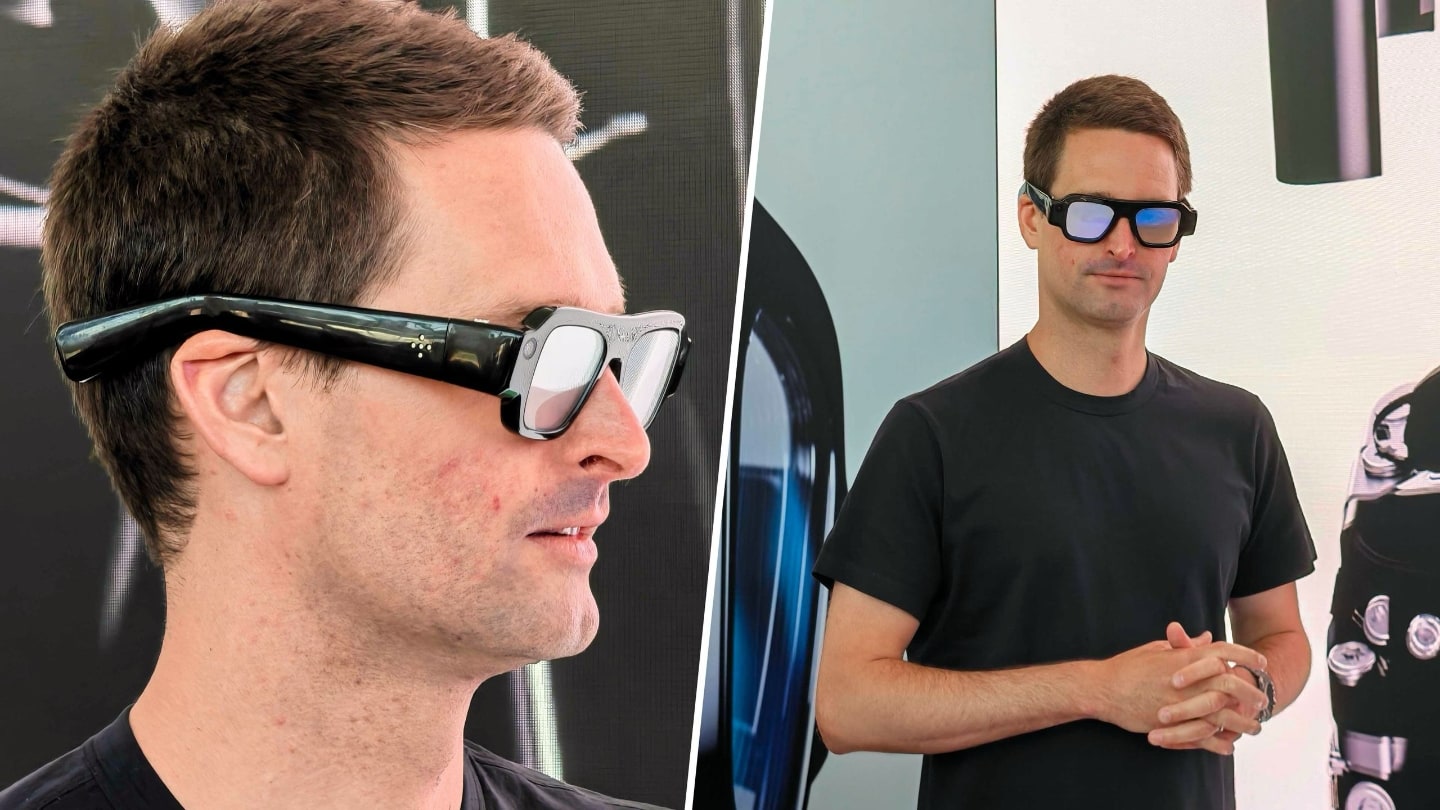
Cut to ten years later and we see Evan Spiegel, co-founder and CEO of Snap, appearing in public with the monstrosity below: the SPECS Augmented Reality, the sixth generation of the brand’s glasses and the first to feature augmented reality. Too bad they crush your ears, the battery only lasts four hours, and… well, they’re also ridiculous:
And Google? Of course the category’s pioneer wasn’t going to sit this one out. At Google I/O this year, the company announced, in partnership with Samsung, its own glasses powered by Android XR, a platform for augmented and virtual reality. No surprise — even with designs signed off by established eyewear names (Gentle Monster and Warby Parker), they’re ugly glasses:
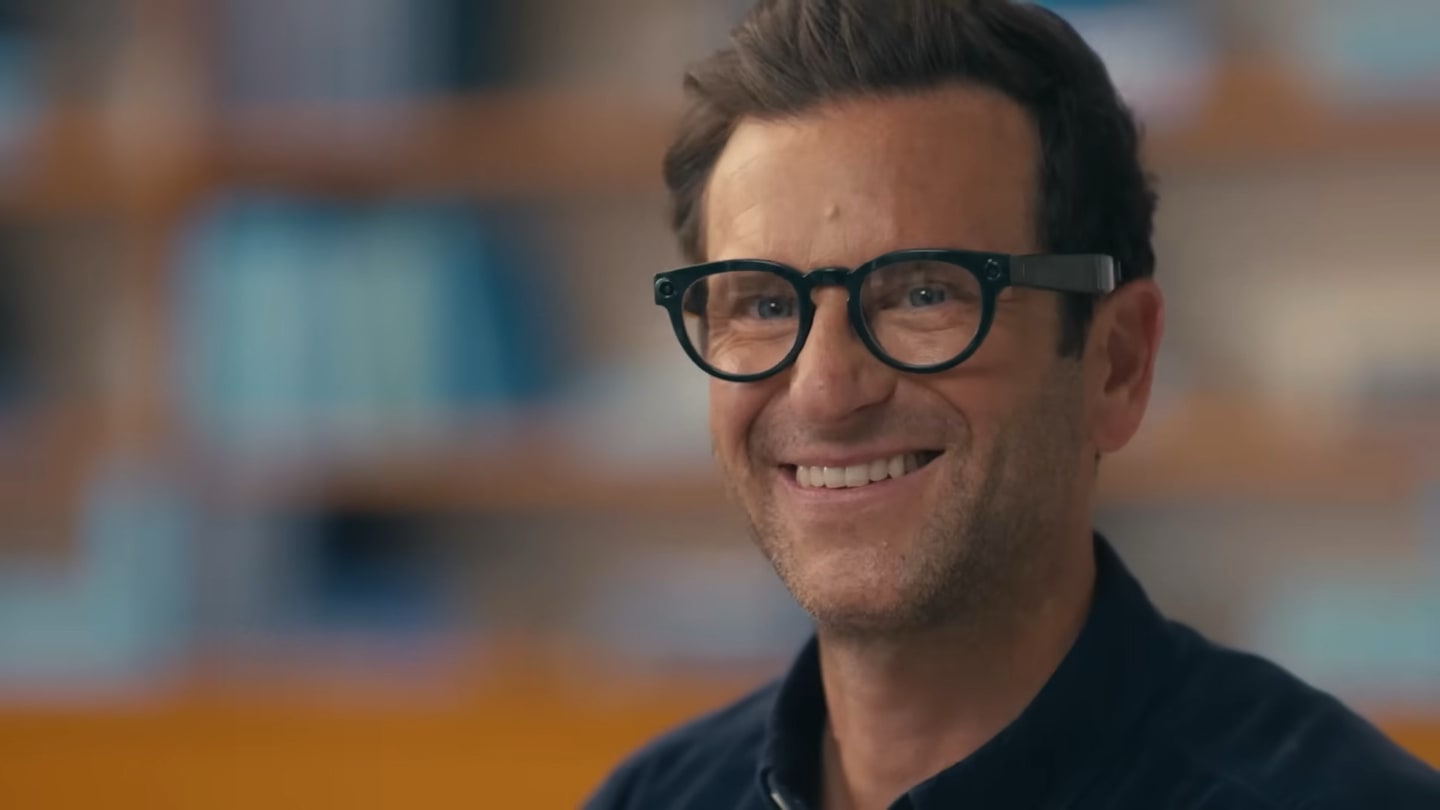
As someone who spent 30 years without glasses and now has to wear them every day, it takes very compelling benefits to convince anyone to put something on their face all day long. Like, say, being able to see properly.
Beyond the (limited and/or questionable) benefits for the person wearing smart glasses, the battery still only lasts a few hours and they’re a privacy nightmare for everyone else — as the Meta Ray-Bans today and Google Glass back in 2012 make abundantly clear. No wonder Google Glass wearers were branded “Glassholes” — a portmanteau of “Glass” and [CENSORED].