Adam Rose is deputy director of advocacy at the Freedom of the Press Foundation and a board member of the Los Angeles Press Club. A longtime journalist, he investigated the scene of the October 2025 incident and attended several of Mr. Parias’s court hearings.
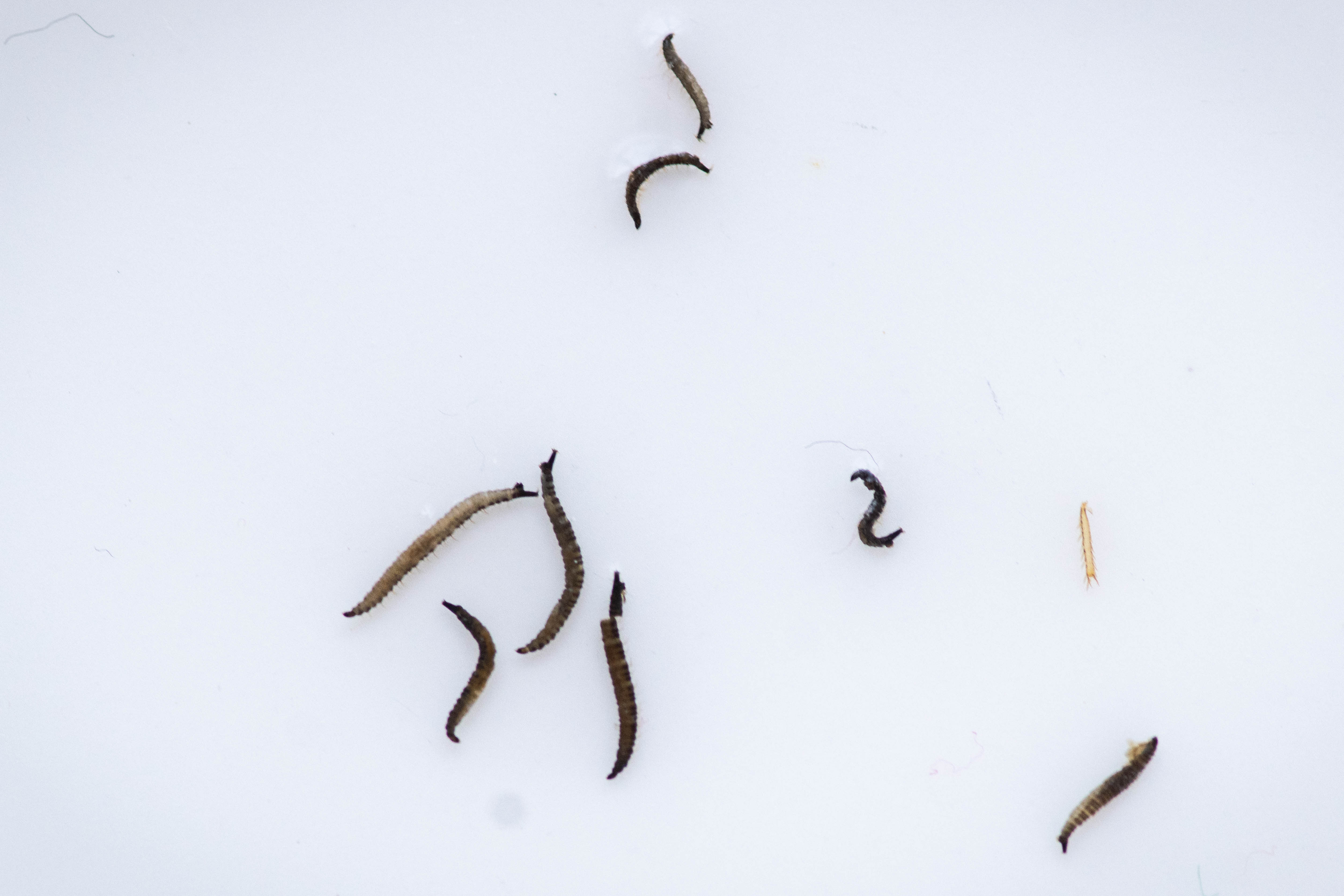
Somewhere in a sweltering desert, cockroaches scurry around the cell of Carlitos Ricardo Parias. He holds up a plastic bottle, gazing at the worm-like creatures swimming in his drinking water. His other arm is turning purple from a gunshot wound for which he says he hasn’t received proper medical care.
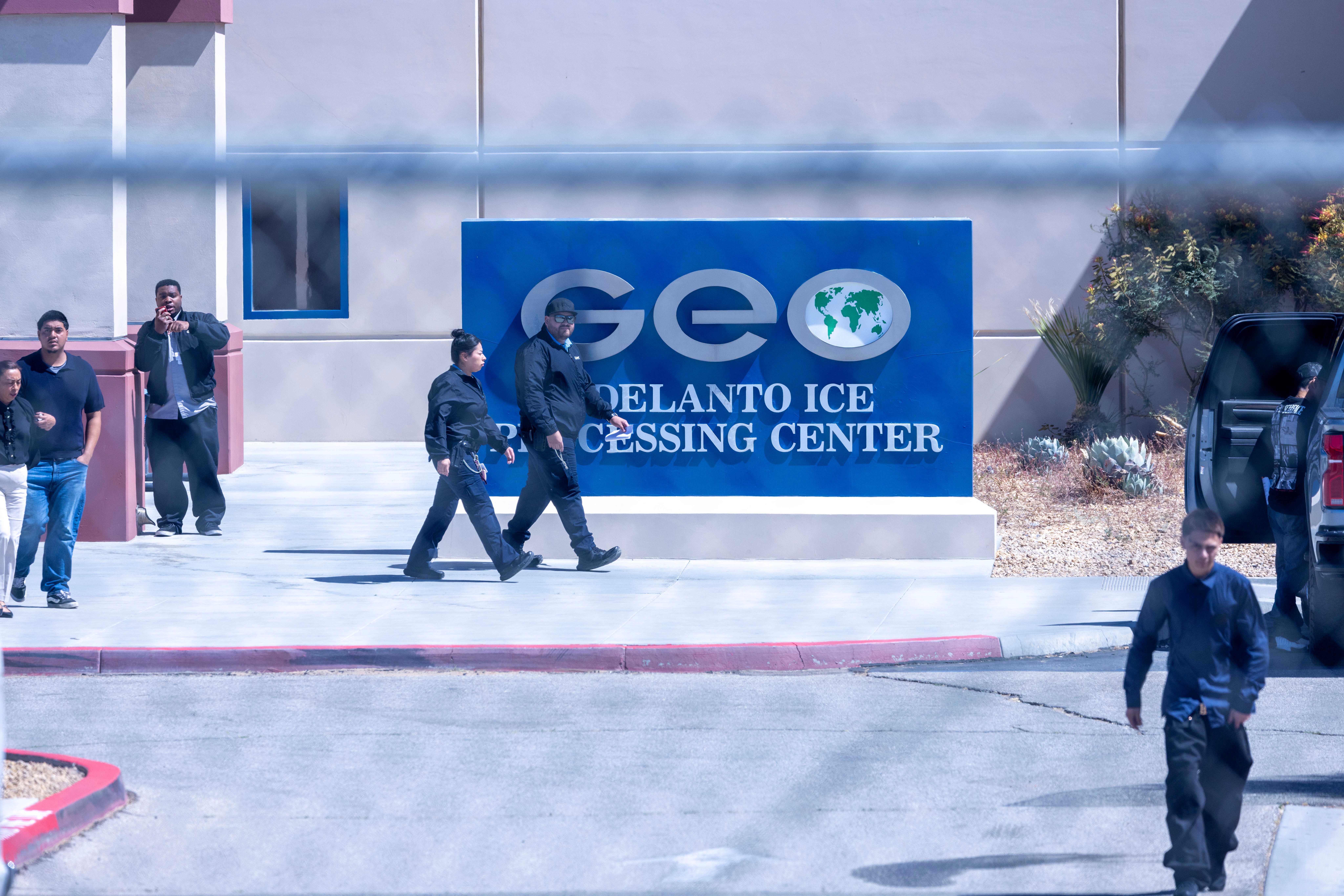
His gulag isn’t in a distant Soviet or banana republic. It’s about an hour and a half from Disneyland, in a small California town called Adelanto.
After Immigration and Customs Enforcement officers shot and detained Parias last October, the Los Angeles-based journalist will cross 300 days in ICE detention on Monday. His horrifying conditions aren’t unique among immigrant detainees, but Parias’s case is extraordinary. Perhaps no journalist has endured such a sustained sequence of violence, prosecution, and imprisonment at the hands of the U.S. government.
Several American journalists have spent months in jail to protect their sources: New York Times reporter Judith Miller (85 days in 2005), writer Vanessa Leggett (168 days ending 2002), and freelancer Josh Wolf (226 days ending in 2007). Last year, Emmy-winning journalist Mario Guevara spent more than 100 days in immigration detention before being deported, prompting national outrage.
Parias long ago surpassed Wolf’s record for the longest known time a journalist had spent in U.S. custody.
He was already prolific on social media when the immigration enforcement surge began last summer. He worked independently as Richard Noticias LA, with over 100,000 followers on TikTok. He built that audience by chasing crime stories across California neighborhoods often overlooked by larger outlets. This time last year, the Los Angeles City Council presented him with a proclamation honoring his efforts.
Federal authorities say Parias is an undocumented immigrant who had previously evaded arrest. But their account does not explain a growing mountain of evidence.
On June 13, 2025, Parias arrived at an immigration raid in South LA ready to film as usual. According to witnesses, a federal agent ran into him with a vehicle. Parias was then handcuffed and left on a sidewalk while the agents continued their work. Videos show him crying out in pain and grasping at his injured leg. Agents never provided medical attention. Eventually, a Good Samaritan pulled up in a private vehicle and took Parias to the hospital. An agent briefly stopped them but let Parias leave — handcuffs still on.
Four months later, Parias was driving along a quiet block near downtown LA. Multiple unmarked vehicles pulled up around him, carrying masked men who turned out to be federal agents. Immediately and without warning, they smashed his window, as bodycam footage later showed. Panicked, Parias stepped on the accelerator — a meaningless move in a small car physically pinned by multiple large SUVs. Tires spun, the vehicles didn’t budge, and Parias quickly took his foot off the gas.
One agent struggled to open the passenger door. He fumbled with his gun, as his own bodycam showed, juggling it back and forth between his hands before shooting Parias in the elbow. A U.S. marshal was also hit and was expected to recover.
As federal immigration agents’ violence once again sent Parias to the hospital, the agents scurried into the security office of a nearby strip mall to check for surveillance footage. They downloaded it onto a thumb drive and deleted it from the mall’s system.
Prosecutors charged Parias with assault on a federal officer, offering a version of events that omitted critical context. U.S. Attorney Bill Essayli fired off a social media post suggesting Parias had been trying to avoid deportation agents for months:
“This morning, Parias rammed his car into agents’ vehicles after they boxed him in and ordered him to submit to arrest. Parias, who had previously avoided capture by immigration authorities, refused to comply with agents’ orders and escalated what could have been a simple arrest into a life-threatening situation.”
Essayli’s post included a single screenshot from their lone copy of the mall’s footage. The full video would have painted a very different picture. He didn’t release it.
Evidence wasn’t the only thing withheld from Parias, who was discharged from the hospital days later while still on morphine. Taken directly into a federal criminal detention center in downtown Los Angeles, he was supposed to receive high doses of ibuprofen. Once in court for his initial criminal hearing, the judge learned he wasn’t being given the prescribed treatment for his gunshot wound. The pain caused Parias to twist in his chair. Flummoxed, the judge implored a U.S. marshal to expedite his return to a facility where he could be given medication. The marshal refused.
Moments later, Parias’s lawyer asked the judge if his client’s teenage son — who had not been allowed to communicate with his father since the shooting — could give him a hug. Citing security protocol, the marshal also vetoed this small act of humanity. As Parias was whisked away, his son shouted across the courtroom in Spanish, “te amo” (“I love you”).
Parias was eventually granted bond in his criminal case. But accepting it would have meant marshals turning him over to immigration authorities, who could immediately transfer him to their own distant facility with potentially worse care. He didn’t take the offer.
The government transferred him anyway. Adelanto is difficult to visit, hours from his lawyers and family in Los Angeles, not to mention the court itself. Prosecutors still hadn’t turned over the mall footage. But bystander videos began to undermine the government’s account. The judge ultimately threw out all criminal charges with prejudice, finding that the government had violated Parias’s constitutional rights.
The proceedings to deport Parias continue. For now, he’s stuck in Adelanto.
Even in detention, Parias remains a journalist. The government gave him a new beat. He began reporting on the horrid conditions that he and other detainees endure. Through video recorded by his visitors and accounts relayed to other reporters, Parias exposed the worm-like creatures in drinking water and cockroaches in cells.
His gunshot wound was being treated with vitamin D and Bengay. “What I saw looked like an arm that was on the verge of being amputated,” said Rep. Sydney Kamlager-Dove, D-Calif., who visited Parias at Adelanto in May. His situation inspired her to propose legislation addressing medical neglect in immigration facilities.
The government recently said it plans to ship him even farther away, to a facility in San Diego where he can receive medical care. The move will make it even harder for his family and lawyers to visit — and end his reporting on Adelanto’s rancid conditions.
Parias — and his reporting behind bars — is getting more media attention, but that coverage doesn’t always recognize how this all started because he was doing his job as a journalist.
America has imprisoned journalists before. It has even killed them. But what has happened to Parias is something different: A journalist was injured while documenting government power, shot during an attempt to arrest him, prosecuted, repeatedly denied medical care — and then left in immigration detention, where he has continued documenting the conditions around him.
The government’s powers to enforce immigration laws and prosecute crimes do not erase the First Amendment. Journalists don’t surrender their rights because they lack immigration status. And the government can’t make a journalist disappear simply by locking him in a cell.
At some point, the question stops being what else will happen to Parias. It becomes what America is willing to let happen to a journalist.