
By Julianne Geiger of OilPrice.com
Saudi Arabia’s East-West oil pipeline could be back in service within days, U.S. Energy Secretary Chris Wright said Tuesday, offering the first relatively concrete timeline for restoring a route that had been moving 4 million to 5 million barrels per day around the largely closed Strait of Hormuz.
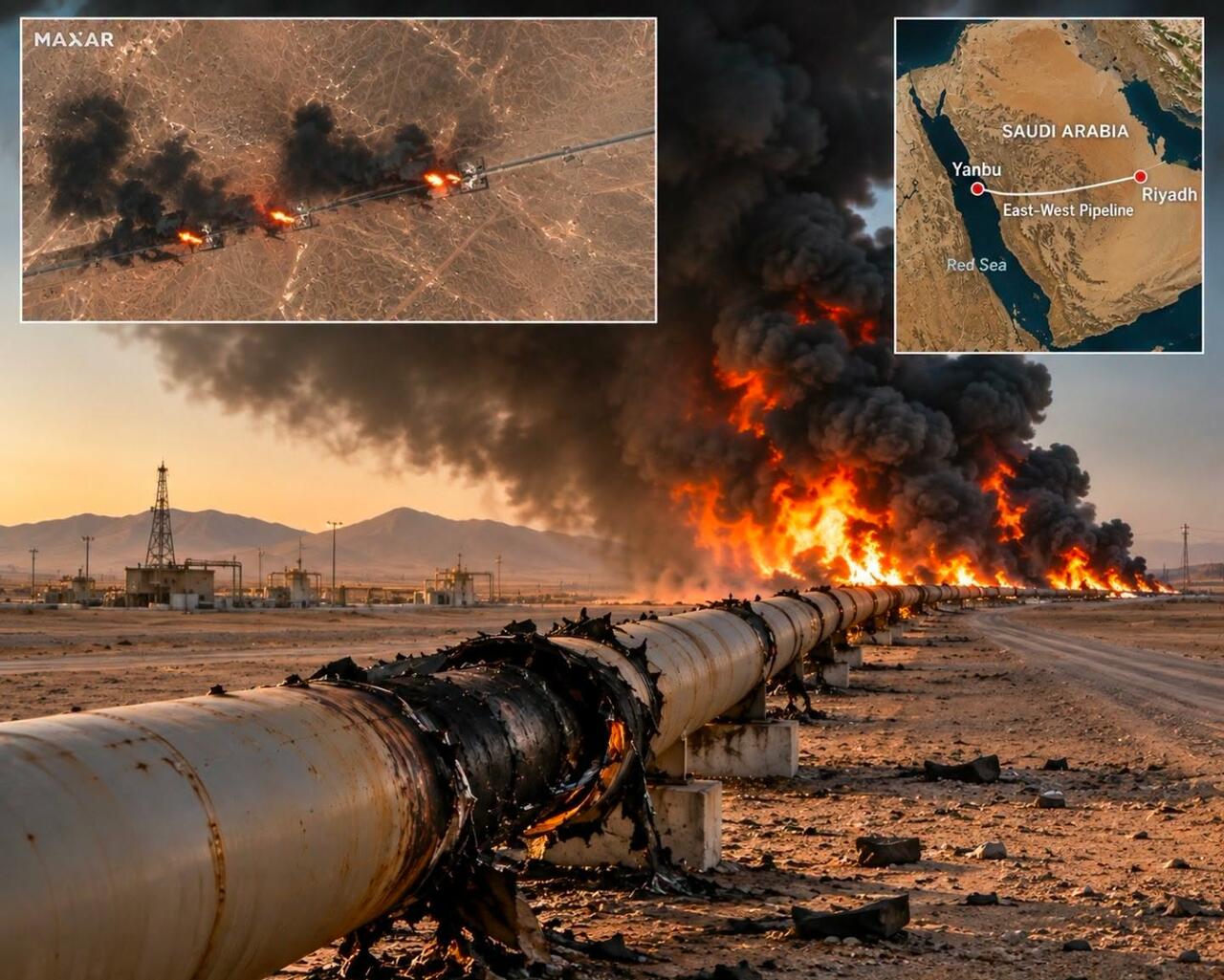
The 1,200-kilometer pipeline was shut after an attack last week damaged the system. Wright said Saudi officials were still assessing the damage, but expected repairs to be measured in days rather than weeks.
The East-West line has been carrying roughly 4% to 5% of global oil supply to the Red Sea port of Yanbu, giving Saudi Arabia an outlet while traffic through Hormuz remains severely constrained. The outage could last several weeks, according to earlier estimates, raising the possibility that export-ready inventories at Yanbu would soon be depleted.
Some of that disruption has already reached buyers.
Saudi Aramco has canceled or delayed late-September crude cargoes to several European refiners. Poland’s Orlen has been buying North Sea crude and seeking U.S. WTI Midland and Kazakhstan’s CPC Blend after Saudi deliveries slipped. No Saudi crude had departed Yanbu since September 11, according to Vortexa data cited by Argus.
Saudi crude supply had already fallen to 6 million bpd in August, down 2.3 million bpd on the month and the lowest level in more than three decades, according to the International Energy Agency.
The pipeline shutdown pushed crude prices higher again Monday and Tuesday, with Brent climbing above $108 per barrel as traders priced in another potential loss of supply.
Wright said Saudi Arabia is also trying to move more crude through Hormuz with U.S. military assistance.
A restart within days would restore one of the few high-capacity routes still available to move Gulf crude without relying on the Strait of Hormuz. It would also arrive before Yanbu inventories become the next constraint.