
Authored by Irina Slav via OilPrice.com,
Countries in Southeast Asia are still building natural gas-fired power plants despite the price inflation in gas caused by the Middle East war. Asian countries are also building more LNG import capacity, Global Energy Monitor reported.
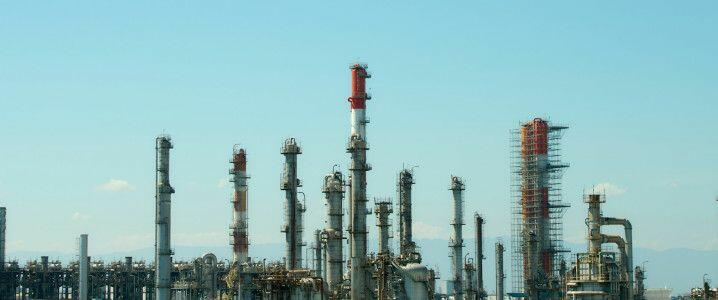
The net-zero think tank said there was some 100 GW in new gas-fired power generation capacity under construction across the region and 70 GW in LNG import capacity.
"The continued expansion of LNG import infrastructure risks deepening exposure to the same supply disruptions and price volatility the crisis has brought to the fore," Global Energy Monitor said. The outlet noted that Southeast Asia could boost its domestic natural gas production to reduce dependence on imported liquefied gas but warned that this would take time.
"GEM identifies at least 20 fields that could add around 62 bcm/y of production capacity by 2035, but new supply takes years to develop and may not even supply domestic power markets," the think tank said.
Asia is the biggest buyer of liquefied natural gas and gas been ramping up related infrastructure for years, motivating the surge in planned production capacity as well. Yet gas prices were lower for much of that period, making such plans commercially viable. The war in the Persian Gulf led to a sharp drop in available liquefied gas supply, pushing prices significantly higher, sapping some Asian importers' appetite for LNG.
Global Energy Monitor argued in its report that the war is putting Southeast Asia's gas expansion to the test, noting that "much of the remaining planned expansion rests on three assumptions: that LNG will remain reliably available, that it will remain affordable enough to compete with alternatives, and that domestic gas can provide a fallback when imports are constrained." Whether these assumptions have a sound basis is yet to be determined as the war extends into its seventh month.