Authored by George Citroner via The Epoch Times (emphasis ours),
For decades, stress shouldered the blame for painful stomach ulcers. But in 1982, doctors made a groundbreaking discovery: A specific type of bacteria was the real culprit.
Now, scientists are peering through microscopes again, but this time, they are searching for evidence that suggests blood transfusions may contribute to strokes, a leading cause of death and long-term disability.
Common Cause for Stroke May Be Transmissible via Blood
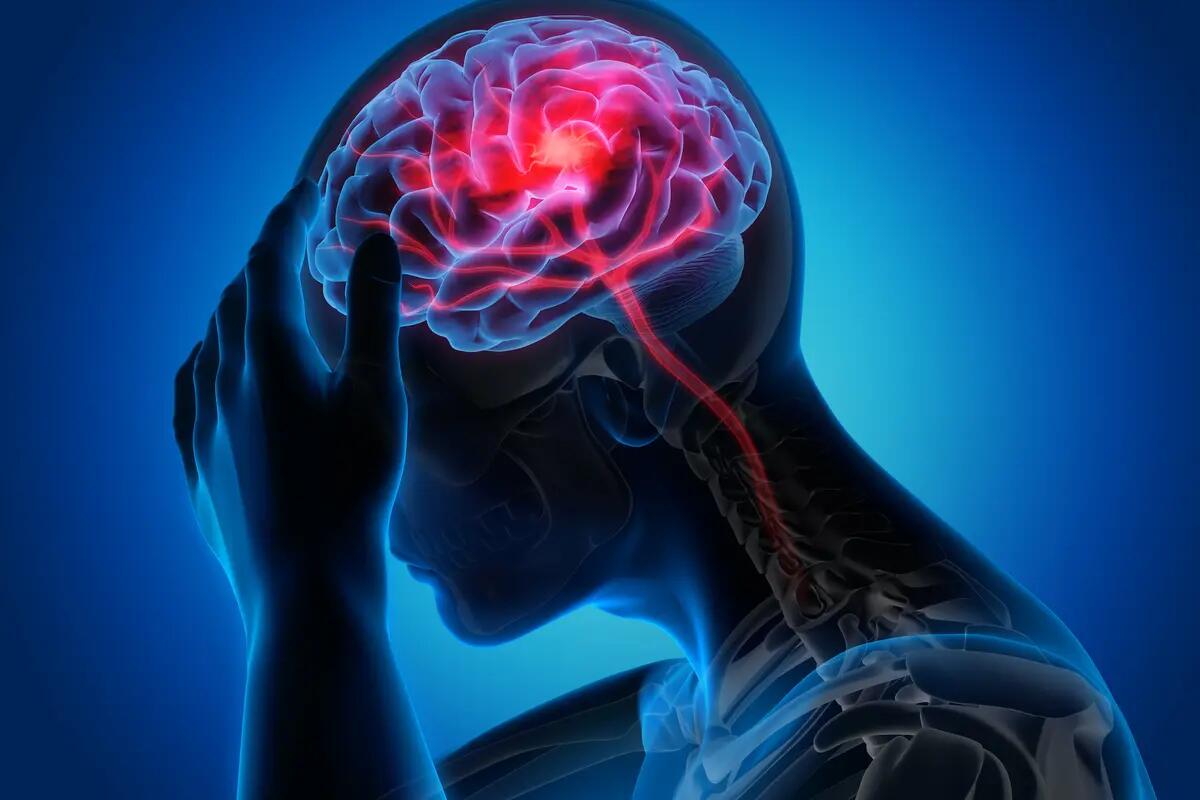
A new study found that blood transfusions from donors who later developed multiple spontaneous brain bleeds were associated with a slightly higher risk of hemorrhagic stroke in recipients. This suggests a potential link between blood-borne factors and a type of stroke-causing blood vessel damage in the brain.
Cerebral amyloid angiopathy (CAA) is the second leading cause of spontaneous hemorrhagic stroke and is associated with deposits of defective beta-amyloid proteins in the walls of blood vessels in the brain, making them fragile and subject to rupture, leading to strokes and cognitive decline.
Research recently published in the Journal of the American Medical Association found evidence that CAA exhibits “prion-like” transmissivity. Prion disease was previously associated with bovine spongiform encephalopathy, commonly called mad cow disease, a brain disorder in cattle that can potentially be transmitted to humans through contaminated meat. There has been evidence that the condition can transmitted to people by pituitary hormones gathered from cadavers contaminated with amyloid-beta and tau proteins.
Scientists theorized that blood transfusions may carry the same risk as exposure to contaminated meat.
To test this theory, researchers conducted a cohort study using nationwide blood bank and health data from over 1 million patients in Sweden and Denmark aged 5 to 80. All had received a red blood cell transfusion between Jan. 1, 1970 (Sweden) or Jan. 1, 1980 (Denmark) and Dec. 31, 2017.
The study found that patients transfused with blood from donors who later developed multiple spontaneous brain bleeds had a significantly higher risk of hemorrhagic stroke than those receiving blood from donors without bleeds.
However, no increased stroke risk was seen in recipients of blood from donors who had just a single bleed after transfusion.
The authors suggest these findings indicate a potential “transfusion-transmissible agent” may be associated with certain spontaneous strokes. They described the increased stroke risk of 2.3 percent in recipients of blood from multi-bleed donors as a “novel finding.”
A Similar Association Found With Alzheimer’s
Though not directly analyzed, the study found a similar increased dementia risk in blood recipients from donors who had a single stroke after donation.
In an editorial accompanying the study, Dr. Steven Greenberg, professor of neurology at Harvard Medical School, wrote the study’s methodology rigorously supports the findings.
“Even a modest increase in hazard of future brain hemorrhages or dementia conferred by an uncommon—but as of now undetectable—donor trait would represent a substantial public health concern,” Dr. Greenberg wrote.
This underscores the seriousness of undetected traits that could be transmitted through donors, highlighting the importance of identifying these factors to protect tens of millions of people. After all, someone in the United States needs blood every two seconds.
How Bleeding in the Brain Is Treated
Treatment depends on the type of injury to the brain, Dr. Theodore Strange, chair of medicine at Staten Island University Hospital, part of Northwell Health in New York, told The Epoch Times.
If bleeding is from a fall causing a subdural hematoma, it can often be managed nonsurgically or with a simple burr hole procedure, he added. This is a procedure where tiny holes are drilled into the skull, and a rubber tube is inserted to drain the hematoma.
However, bleeds from stroke or ruptured aneurysms are harder to control. “Although we can, as long as we can get to them early enough and do whatever it is that we can do to minimize the damage done by the bleed to the part of the brain,” Dr. Strange said.
For cerebellar bleeds, where the bleeding is in the very back of the brain, surgical evacuation of the blood clot is typically needed before finding the cause, he noted. As with strokes, this is simpler for bleeds outside rather than inside the brain.
Managing Risk Factors Only Hope for CAA: Expert
Currently, no treatments stop CAA-related amyloid buildup in brain blood vessels. So prevention of bleeding events is crucial, Dr. Strange said.
Reducing a patient’s risk of trauma, such as falls, which cause concussion and can start a bleed, is imperative.
“Patients, as they get older, have a tendency to fall more,” Dr. Strange said, noting that medications that increase bleeding risk, including anticoagulants, aspirin, and ibuprofen, should be minimized “when appropriate.”
Doctors must weigh the risks against the benefits of anticoagulants in patients with other conditions, he added.