Authored by Huey Freeman via The Epoch Times (emphasis ours),
Many foods marketed for infants and toddlers are unhealthy and may lead to increased obesity, poor dietary habits, and chronic diseases, according to a new study examining many of the most common products.
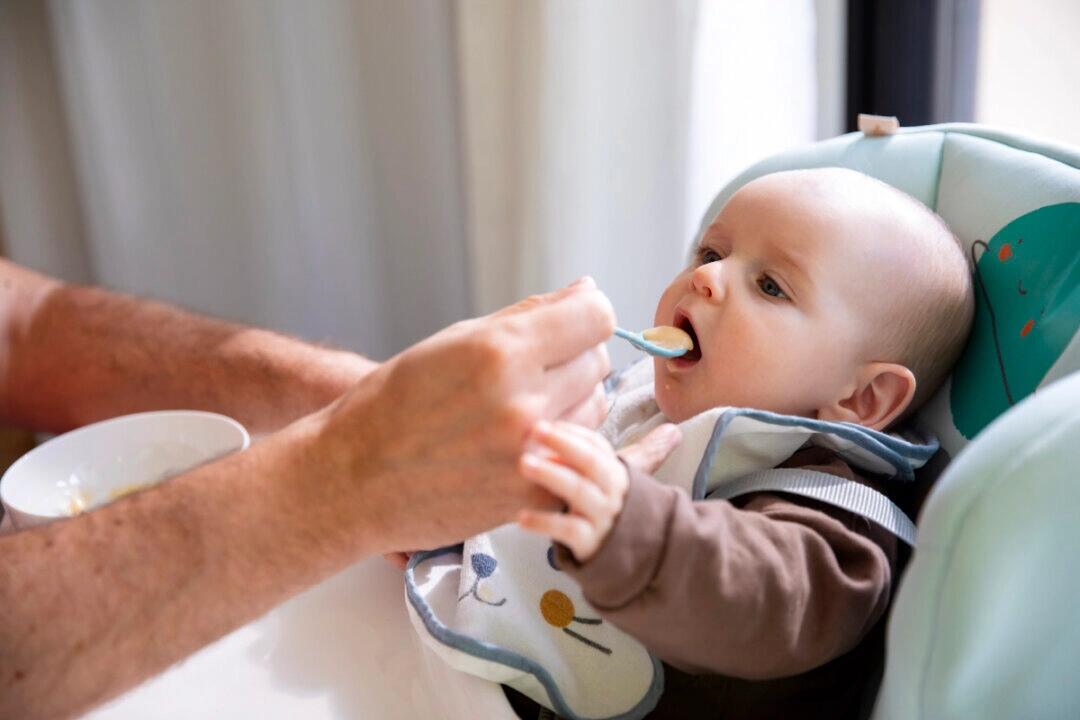
Researchers analyzing 651 products from 10 U.S. grocery chains discovered that 60 percent of the processed foods fell short of nutritional requirements set by the World Health Organization (WHO). The foods sampled were intended for children 6 to 36 months old.
“The lowest compliance was found for total protein and total sugar, with over 70% of products failing to meet protein requirements and 44% exceeding total sugar recommendations,” the researchers wrote in the study published last week in the journal Nutrients.
“Infant formulas, fortified milk, and oral electrolytes were not included because the U.S. Food and Drug Administration regulates these products separately,” the authors added.
Fail to Meet Nutritional Standards
The rising popularity of processed convenience foods for young children is concerning, Elizabeth Dunford, assistant professor of nutrition at the University of North Carolina and co-author of the study, told The Epoch Times.
“Early childhood is a crucial period of rapid growth and when taste preferences and dietary habits form, potentially paving the way for the development of chronic diseases such as obesity, diabetes and some cancers later in life,” Dunford said.
Many baby foods, specifically puree-based foods designed for weaning off breast milk or formula, may not be appropriate at the start of solid food introduction, according to Dunford, because they are high in sugar and low in fats, proteins, and other important nutrients such as iron. According to the study, 44 percent of baby foods exceed sugar requirements.
“Our findings highlight the urgent need for better regulation and guidance in the infant and toddler foods market in the United States. The health of future generations depends on it,” Dunford said.
The widespread use of foods not found in nature has been responsible for the rise in obesity among children, Katy Talento, epidemiologist and former lead health advisor to the White House told The Epoch Times. Talento was not involved in the study.
Low protein content is a significant factor in baby food because of the key role protein plays in development, Talento said. Babies are doubling the size of their bodies size during their first year, to build muscle, crawl, walk, and do all the things they need to do.
“Next to healthy fat, protein is the most essential thing for babies,” Talento said. In the study, more than 70 percent of products failed to meet protein recommendations.
Popular Pouches Pose Risks
Food pouches, the fastest-growing product segment, are among the unhealthiest of all baby foods, the researchers found.
“Snack-size packages had the lowest compliance with nutrient requirements,” the researchers wrote. “These findings highlight that urgent work is needed to improve the nutritional quality of commercially produced infant and toddler foods in the United States.”
The study showed that the use of pouches has grown by 900 percent during the past 13 years—dominating the baby food market with nearly 50 percent of all products on the shelves in 2023.
Another group of foods marketed for young children—snack and finger foods—had a low rating of compliance with nutritional and promotional guidelines.
This includes fruit and cereal bars, as well as puffed snacks. A nutrition guideline from the WHO expresses concerns with the composition and promotion of foods for infants and small children. Some of the concerns include frequently misleading product names and claims of “no added sugars” even though most of the energy from the food is through sugar.
“Together, pouches and snack foods make up the vast majority of the market and are likely to continue increasing in popularity as parents lean toward these products over homemade foods due to busy lifestyles, rising birthrates, and a growing number of women in the workforce,” the researchers wrote.
Squeeze pouches in other countries often contain warning labels stating that contents should be put onto a spoon or in a bowl and not sucked directly from the pouch, Dunford said. “However, in the U.S. we found an extremely small number of products that did this, with most in fact encouraging consumption from the pouch,” she added.
Talento said pouches prevent babies from developing proper relationships with food.
“Neurodevelopmentally, they need to smear the food all over their face,” she said. “They need to touch food; they need to smell it. They need to get in their hair, to really interact with it.”
The youngest children need their brains to be trained in healthy eating habits, by sitting them up and talking to them about what they are eating, Talento said.
“They need to learn about food, what it looks like and tastes like, and what is good,” Talento said. “It is an important part of the process, regardless of how inconvenient it may be. When we sanitize it, and we make sure there is literally no contact with food, except the little sucking nipple on the apple sauce pouch, they miss out on that.
“I think the real problem here is that parents are going to these foods at all. When you are weaning babies off breast milk or starting to combine breast milk with other food, what we ought to be doing is taking our human food that we eat ourselves and throwing it into a blender.”
Misleading Labeling Is Common
A more honest labeling of baby foods would have a significant impact on the consumption habits of babies, according to Dunford.
“As a mother of two young children myself, even as someone educated in this area, I still found myself drawn to products that made claims about healthiness,” Dunford said. “I feel if manufacturers were not allowed to display prohibited claims unless their products met a certain threshold of healthiness, that it would be much easier for parents to make healthier choices for their children.”
A major problem is that the regulatory agencies, the U.S. Food and Drug Administration and the U.S. Department of Agriculture, are not looking out for the best interests of parents and children, Talento said.