Americans may be preparing for holiday sales and gift lists, but a new survey shows that growing anxiety over safety and scams is shaping how they shop in 2025. Concerns about home security, crowded retail environments, and package theft are pushing changes in buying behavior, from delivery choices to how—and when—people visit stores, according to a study from Hanwah Vision. The key findings were:
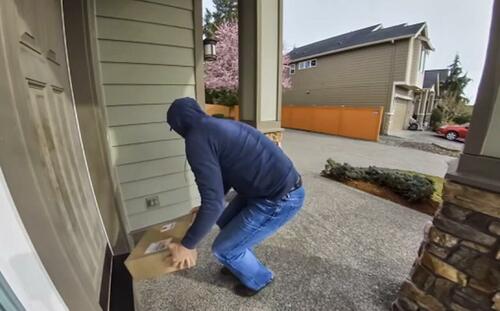
- 62% of Americans are concerned about porch pirates this year.
- 59.5% would pay more for secure delivery options.
- 40.5% of Americans say that safety concerns influenced their decision to shop online or in-store this year. That share rises to 61% among Gen Z.
- 31% of Americans lack confidence that retailers provide adequate security during the holidays.
- 35.5% often avoid crowded stores or peak hours because of safety concerns.
- 40% of Gen Zers plan to do most of their holiday shopping online.
- 21% say they feel less safe in stores this year compared to last.
- 42% of men would buy from a website they’ve never heard of if it offered a big discount, compared to 32% of women.
- Only 31% expect their overall holiday spending to rise.
The study found that fear of package theft remains one of the biggest concerns of the season. Sixty-two percent of shoppers worry about porch pirates, and nearly 60 percent say they are willing to pay extra for delivery options that promise greater protection. Those worries are driving homeowners to beef up security with cameras, motion-sensing lights, doorbell alerts and locked delivery boxes. Shoppers are no longer just hoping their gifts arrive—they want assurance that they will arrive safely.
Safety is also influencing where people shop. Forty-point-five percent of Americans say concerns about crime, scams or crowded stores played a role in whether they chose in-person shopping or online purchasing this year. Among Gen Z shoppers, that figure climbs to 61 percent, with 40 percent planning to do most of their holiday shopping online. Younger shoppers are especially wary of in-store risks, with one in five saying they feel less safe in shops this year than last. Their shift online might protect them from in-store theft or crowds, but it brings new vulnerabilities such as phishing scams and counterfeit retailers.

The study says that security doubts extend to brick-and-mortar stores. Nearly a third of shoppers say they don’t trust retailers to provide adequate protection during the holidays, and more than a third say they avoid crowded stores or peak hours because of safety concerns. For retailers already battling competition from e-commerce, a sense of insecurity could become another reason customers choose to shop elsewhere. Shoppers want visible signs that stores are investing in protection, whether through trained staff, monitoring systems or stronger cybersecurity for payment data.
Meanwhile, financial pressure is pushing many consumers to take risks they might normally avoid. Only 31 percent expect to spend more on gifts this year, suggesting that tight budgets are pushing shoppers toward steep discounts and unfamiliar online sellers. That desire for bargains has a cost: 42 percent of men and nearly a third of women say they would purchase from a site they’ve never heard of if the deal was compelling enough. Temptation fuels vulnerability, making scams and fraudulent sites more effective at a time when shoppers are more focused on savings than verification.
With budgets stretched and more consumers modifying their traditions, every purchase carries a little more weight. Losing a gift to theft, fraud or delivery issues isn’t just frustrating—it represents money carefully saved and spent. This year’s Holiday Security Sentiment Index suggests that the season has two priorities: what people buy, and how safe they feel buying it.
The findings are based on a nationwide survey of 1,000 adults conducted ahead of the 2025 holiday season. Participants were asked how worries about theft, scams and personal safety are influencing where they shop, how much they spend and what precautions they take at home and in stores. Responses were analyzed across age groups, gender and income to identify emerging trends that link security and spending behavior.
Loading recommendations...