ICE is using a smartphone app called “Mobile Fortify” to scan faces and capture contactless fingerprints, instantly pulling back names and biographical data — and court filings say the same encounters are being followed by revocations of Global Entry and TSA PreCheck.
That turns “trusted traveler” into chilling of speech. DHS runs both the surveillance and the program, and being “under investigation” can be enough to lose your status even if protesting itself cannot legally be a disqualifier.
The Department of Homeland Security and Immigration and Customs Enforcement is expanding use of identificationand tracking – not just immigration targets but also on U.S. citizens who are documenting, protesting, and observing enforcement operations. And participating in these events is getting Global Entry yanked.
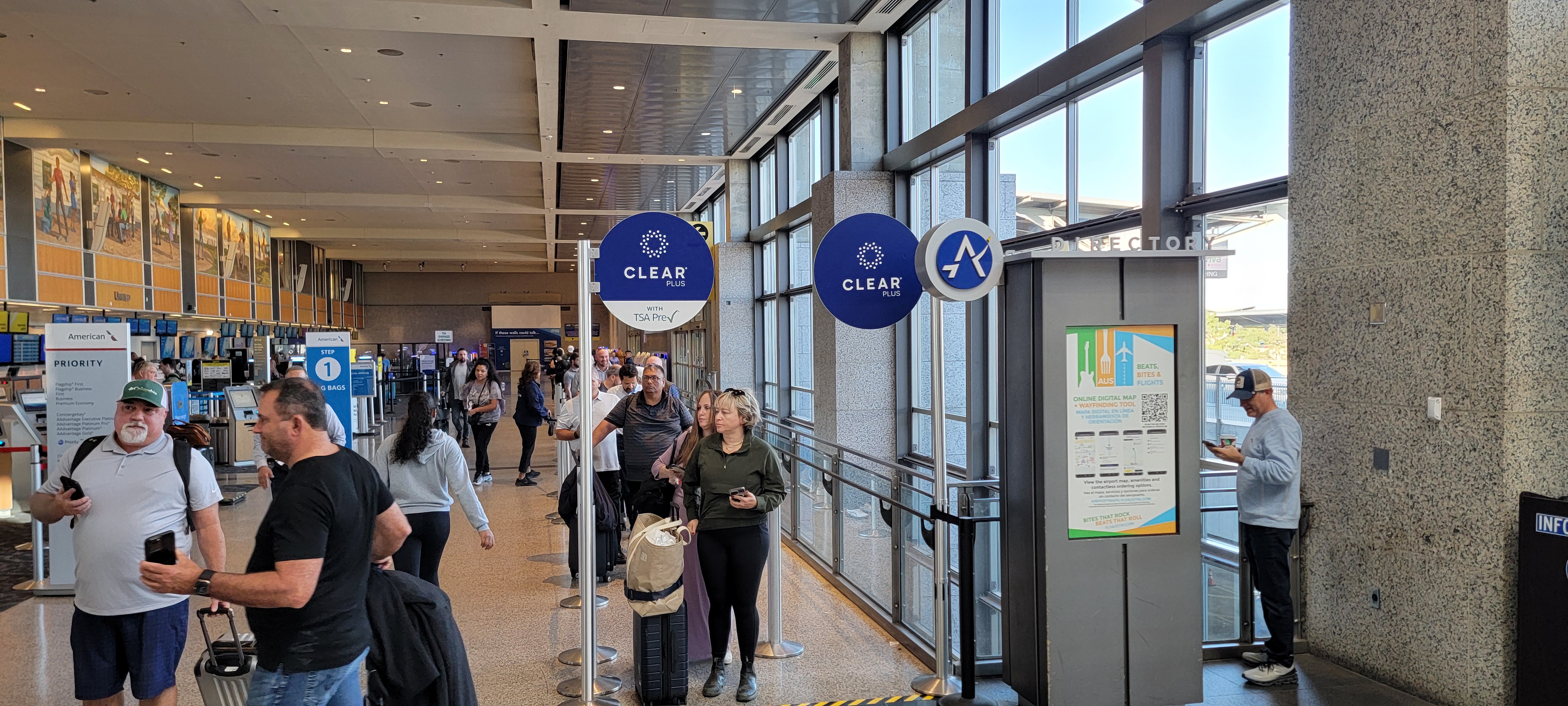
The government is using a smartphone app called “Mobile Fortify” that lets agents scan a face and even capture ‘contactless’ fingerprints and run them through biometric matching systems to return names and biographical data. Reportedly the agency has used Mobile Fortify over 100,000 times. They use BI2 Technologies for smartphone iris scanning against a large law enforcement iris database. The agency defends this all as “lawful.”
In addition, ICE uses license plate reader data, commercial phone location data, drones, and other tools to monitor protests by U.S. citizens.
Global Entry is administered by the Department of Homeland Security, its data was used to train Mobile Fortify, and citizens in the program are subject to having the status revoked if they’re being investigated. DHS investigates people protesting DHS.
- Customs and Border Protection can deem you ineligible “at its sole discretion” if you present a potential risk for terrorism, criminality, or are otherwise no longer considered low risk. It bases risk determinations partly on demonstrated compliance.
- They can kick yo uout for arrests or being the subject of an investigation by any law enforcement agency, or suspect conduct that is ‘terrorism-related’.
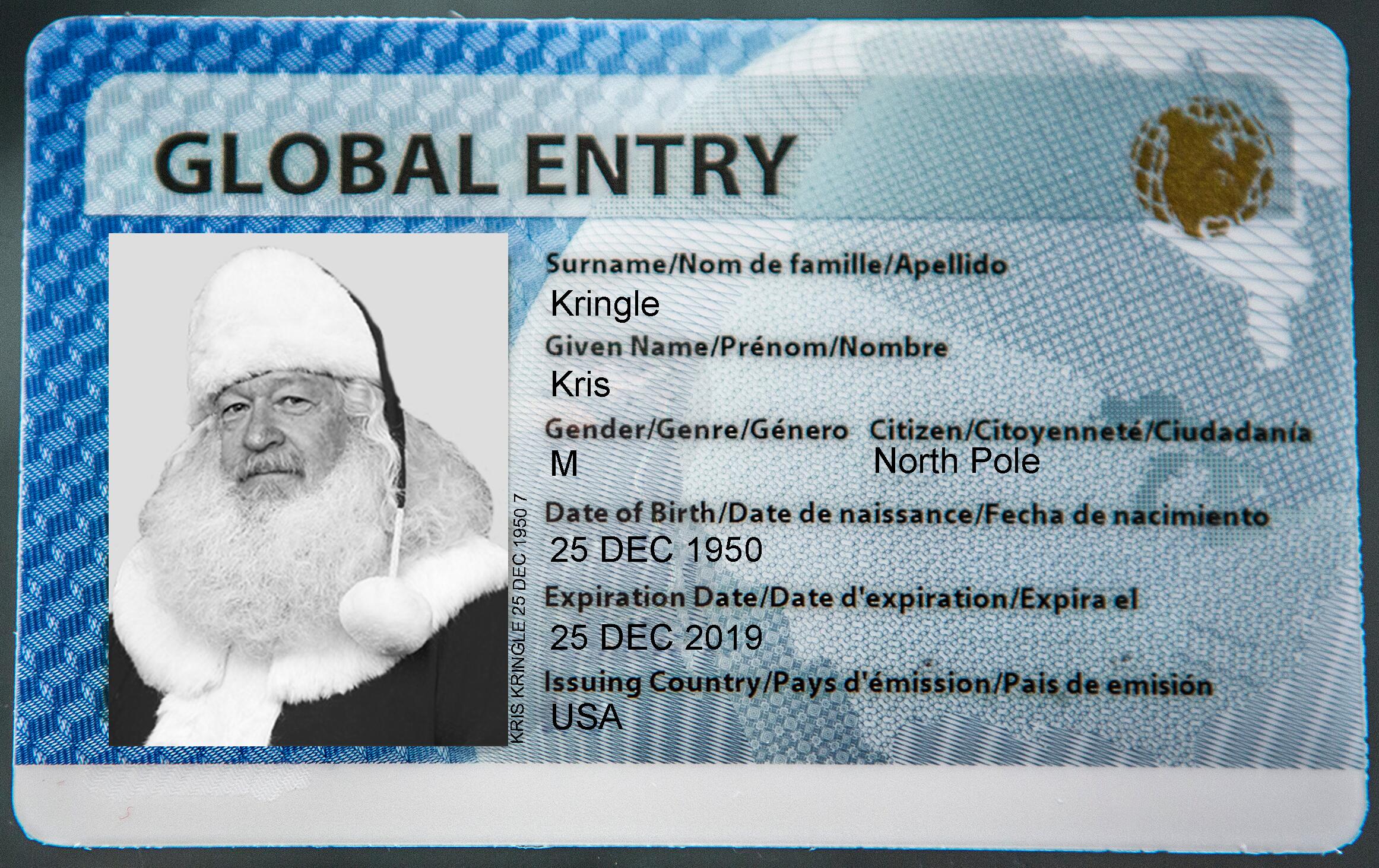
Protesting isn’t a listed or ‘valid’ reason for having Global Entry revoked, but being arrested at a protest is. Impeding or interfering with the agency is. And being investigated is.
In a court filing, Nicole Cleland says she observing ICE activities in her neighborhood when an agent approached her vehicle, addressed her by name, said they had “facial recognition” and warned she was “impeding” and could be arrested if it happened again. Three days later, she received email notice her Global Entry and TSA PreCheck status was revoked.
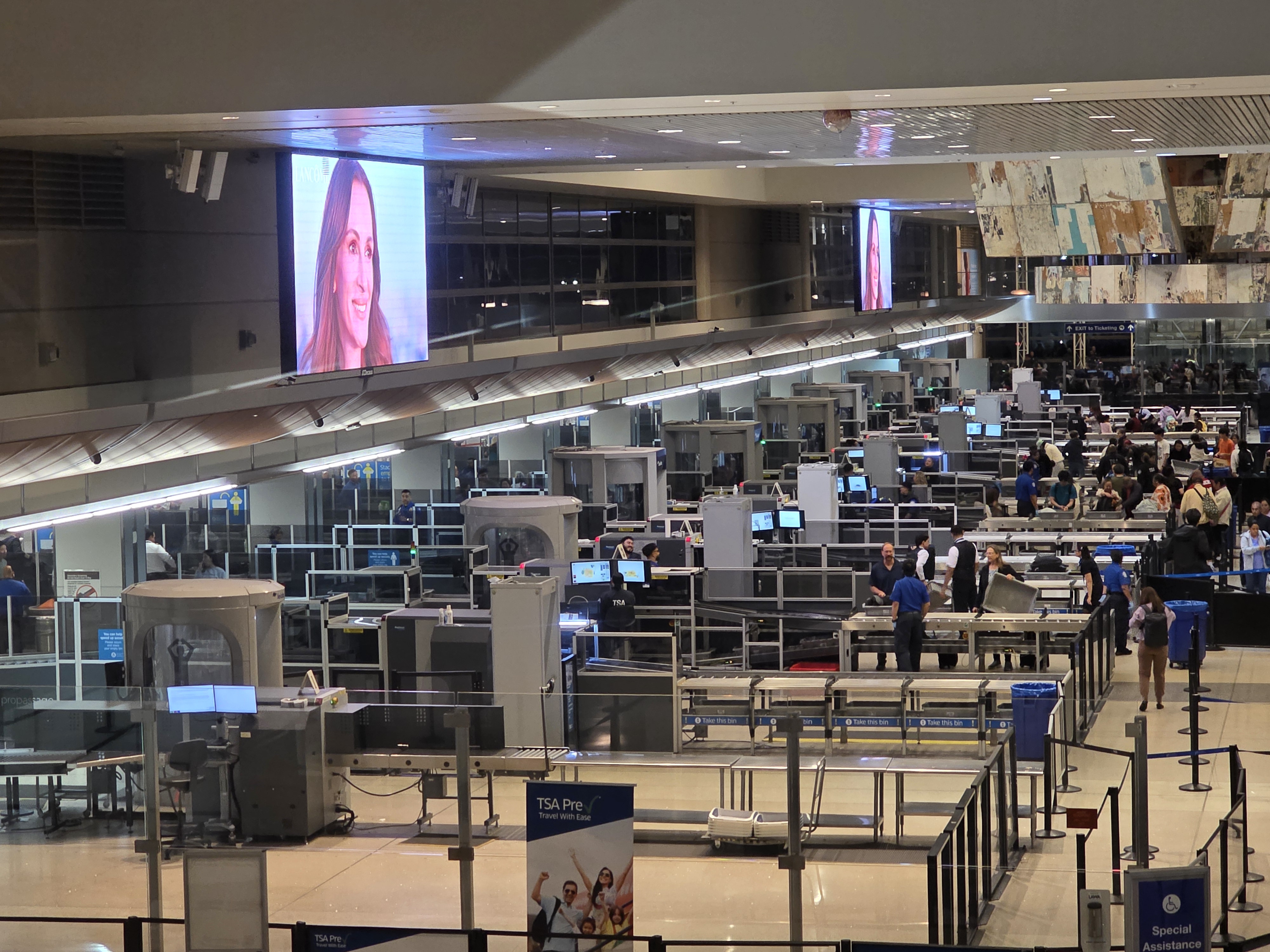
Homeland Security does continuous checks on Global Entry members, and may uncover a past conviction that wasn’t disclosed during the application (generally minor offenses over 10 years old, such as a DUI, are fine if you disclose them) or a new conviction. Breaking program rules or rules in the immigration hall such as failing to declare items or bringing ineligible family members with you into the Global Entry queues can get you kicked out if the customs officer decides to make an issue of it.
You can lose Global Entry for complaining about a customs officer. Putting an apple from your flight in your bag, and then not declaring it can cost you your Global Entry. So can attempting a coup against the United States.
So, too, now it seems just for protesting against government policy. And that has a huge chilling effect on public dissent. If you’re punished for expressing views contrary to those in power, you’ll be less likely to express those views. It’ll then appear to others that there’s a consensus supporting those in power, making it harder for still others to dissent. That’s what you get in authoritarian regimes – preference falsification, where everyone publicly tows the dominant line and is unwilling to reveal their true beliefs.
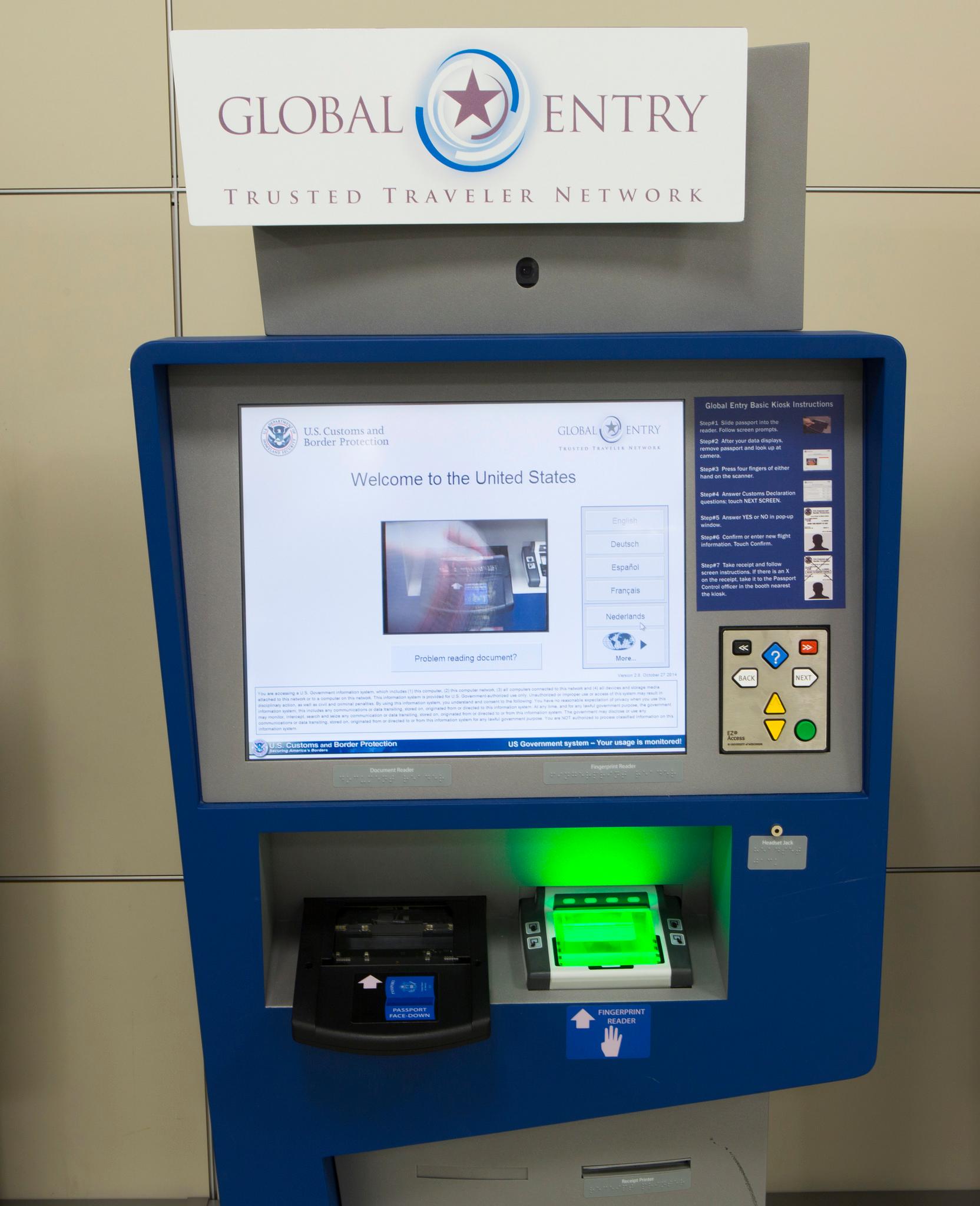
While more people are being kicked out of Global Entry than ever before, 39% of people who appeal the revocation win. Plus, DHS decisions on Global Entry are subject to judicial review, at least in the ninth circuit.