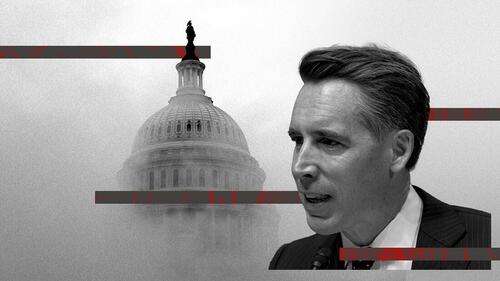
Senator Josh Hawley (R-Mo.) is circulating a bill to require data centers to bring their own power when constructing these new power-hungry facilities, Axios reports this morning.

We’ve detailed the growing resistance to the construction of new data centers for months now as several studies have demonstrated electricity prices spiking around new data center facilities, as they usually consume significantly more power than the grids they’re connected to can offer.
One of the most frequently identified solutions is requiring new data centers and other large power loads to construct their facilities alongside new power generation facilities, i.e. "behind-the-meter.". This could prevent and even reverse much of the rate increases that have been plaguing households across the US.

It’s a simple supply and demand issue. A new power consumer shows up and immediately starts draining hundreds of megawatt of power while the new power generation being developed by the utility servicing the connected grid takes several years to add new generation capacity. The pitch circulated by lawmakers is to require new data centers to show up with their own power and hand, therefore preventing the pass on of costs to household rate payers.
There’s a slew of ways to go about powering a multi-megawatt or gigawatt scale data center. The method most frequently referenced for reducing rate payer burden is behind-the-meter arrangements. This means the power generator is directly connected to the facility through on-site transmission structures without interacting with the grid in any way.
Alternatively, facilities could opt for the front-of-the-meter arrangement where they still bring their own power, but transmit the power through the local grid, even if they are located physically near each other. This arrangement supports the grid while still minimizing cost to the rate payer because of the addition of overall capacity. Connecting to the grid and utilizing existing transmission lines and transformers could minimize time to initial operation, as well as require grid infrastructure upgrades. Requiring the new data center to finance the grid upgrades would reduce consumer costs as well.
The bill being pushed by Sen Hawley is calling for behind-the-meter arrangements, but the legislation could change as it passes through everyone’s hands. Most grid advocates have called for front-of-the-meter arrangements to maximize household consumer benefit.
Loading recommendations...