We outlined a glaring security gap in U.S. counter-drone defenses well before the U.S.-Iran conflict erupted one month ago.
At the time, we specifically pointed out that data centers are largely unprepared for drone threats. We believe the Gulf conflict - after Iran bombed multiple data centers and military bases - has likely pushed the federal government into panic mode, accelerating efforts to deploy counter-drone systems around high-value targets across the homeland, whether military bases or civilian infrastructure.
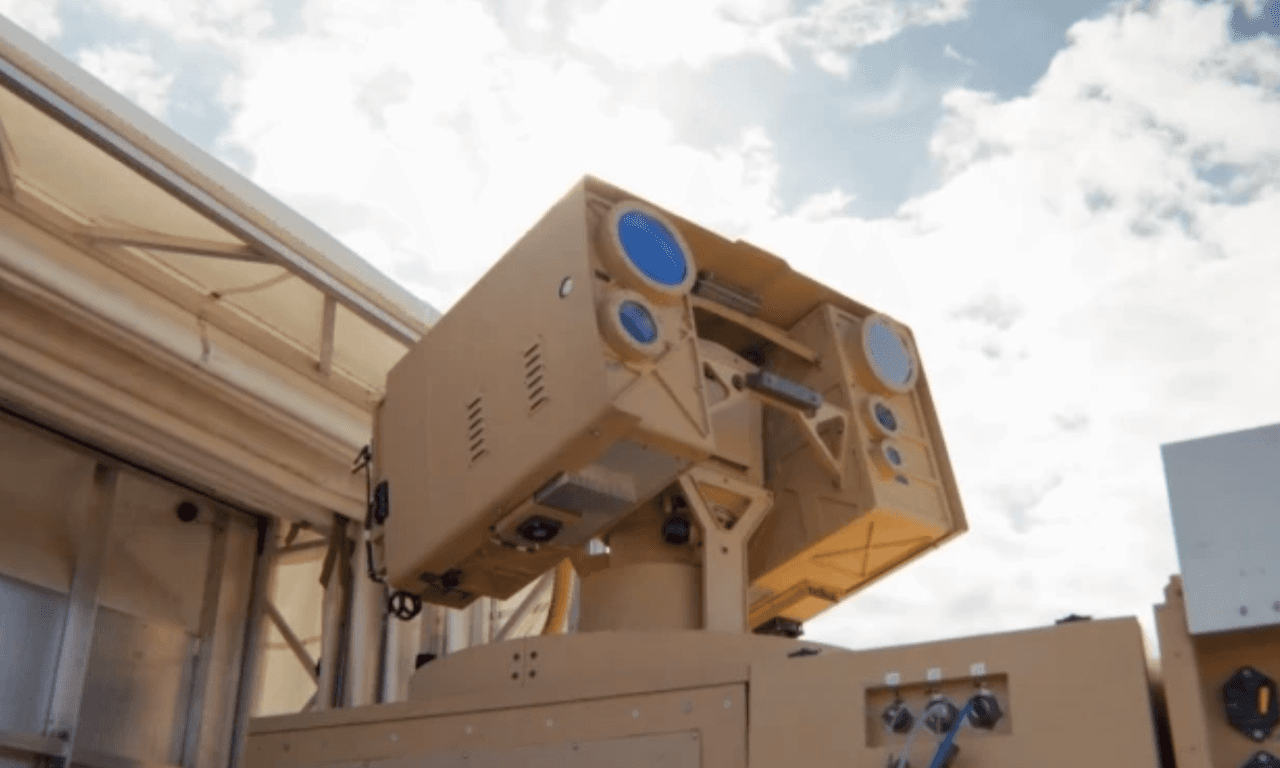
This brings us to a New York Times report from Tuesday morning outlining how the Department of War is considering deploying anti-drone laser weapons near Fort McNair in Washington, DC, where Defense Secretary Pete Hegseth and Secretary of State Marco Rubio reside, following recent reports of suspicious activity and ongoing concerns about drone attacks on the homeland.

The report cited sources who "requested anonymity" and said the Army is discussing deploying laser weapons that would add an extra layer of security to some of the world's most secure airspace across the Washington-Baltimore region.

The Federal Aviation Administration and the DoW are reportedly moving closer to a broader agreement on laser weapons, which offer a low-cost solution for defeating drone threats at scale, especially in an era when cheap kamikaze drones and swarms can quickly exhaust even the most sophisticated air defenses.
On Sunday, Heather Chairez, a spokeswoman for an Army-led joint task force in the DC area, said she was "aware of the reported drone sightings near Fort McNair and the surrounding areas." She noted there was no credible threat in the recent incident, yet the task force had increased its counter-drone activities "to keep our service members and civilians who work and live on Fort McNair safe."
An FAA spokeswoman, Hannah Walden, said the heads of her agency are prepared to work with the DoW and other agencies "to protect the homeland while ensuring the safety of the national airspace system."
Security gaps in America's airspace regarding cheap drones are alarming, and it is not just military installations that need protection. Data centers, ports, refineries, and power infrastructure are also vulnerable. The list is endless.
With battlefields raging across Eurasia, from Russia and Ukraine to the Gulf, one thing is clear: using expensive missile interceptors against $20,000 drones is not sustainable in the economics of war. In fact, low-cost lasers could be part of the answer, though low-cost interceptor drones have also proven valuable in places like Ukraine.
One of the first known instances of the U.S. military using laser weapons against a "foreign object" occurred last month in El Paso, though it actually turned out to be party balloons.
NYT did not identify the laser power class for the DC region, but the most likely option for counter-drone deployment would be around 50 to 60 kilowatts, which aligns with systems the U.S. military is already fielding and developing for air-defense missions.