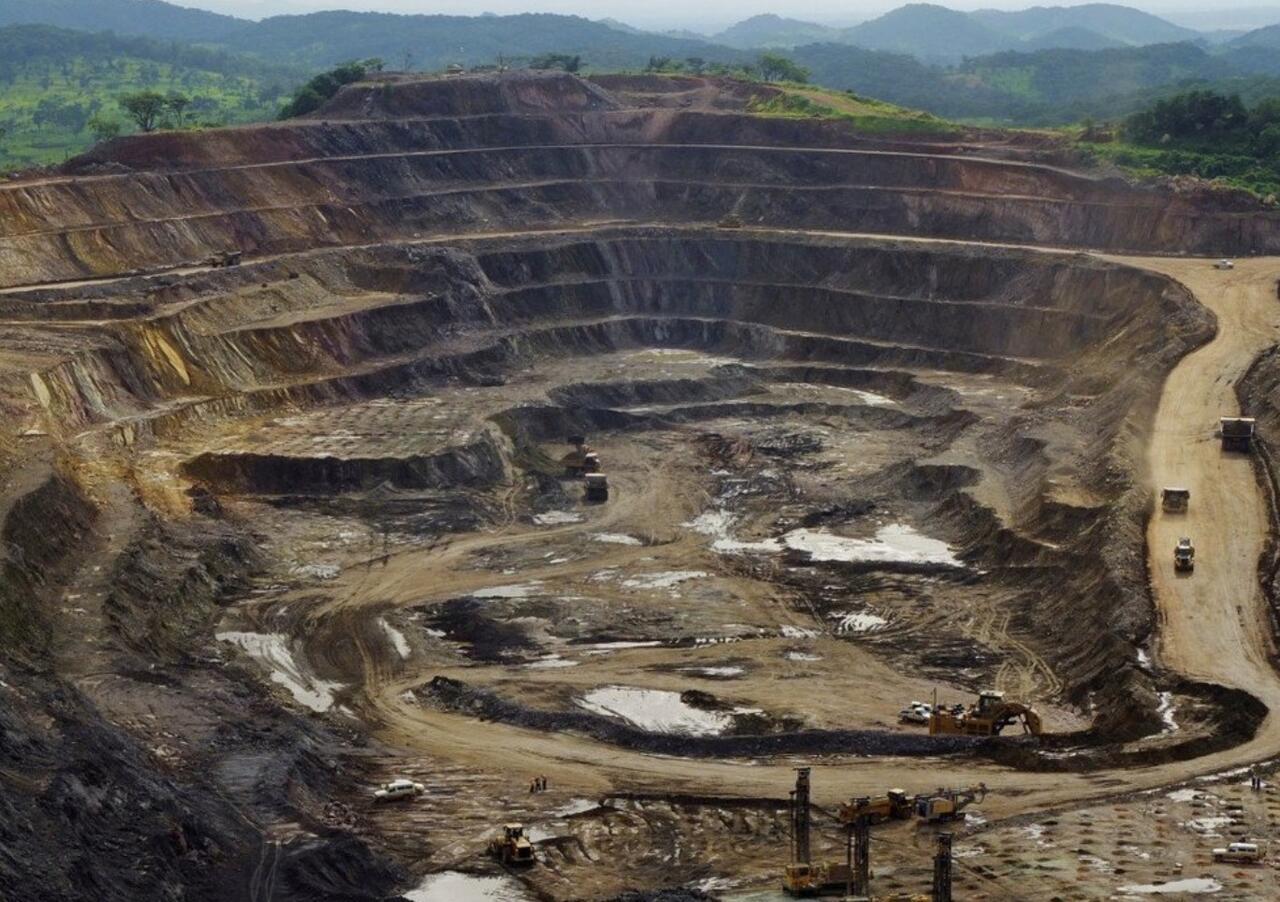
An American company has secured control of one of the largest cobalt producers outside Chinese ownership, delivering a strategic boost to U.S. efforts to compete with Beijing over critical minerals, according to the Wall Street Journal.
The buyer, Virtus Minerals, completed its acquisition of Congo-based Chemaf for $30 million, along with a pledge to invest roughly $720 million. The deal caps a years-long push, spanning both the Biden and Trump administrations, to ensure U.S. access to cobalt resources in the Democratic Republic of Congo.
Chemaf’s mines can supply about 5% of global cobalt output—a key material used in fighter jets, smartphones, and electric vehicle batteries. Virtus says future production will be directed toward American and allied buyers.
Despite its value, Chemaf proved difficult to sell. U.S. companies were wary of its heavy debt—around $1 billion—along with reputational concerns and the challenges of operating in Congo, including weak infrastructure, corruption risks, and labor issues.
The company has a controversial history. Its Mutoshi mine has faced repeated problems with unsafe working conditions and incursions by informal miners. In earlier years, child labor and bribery allegations also surfaced. Although some reforms were attempted, informal and hazardous mining has since returned.

WSJ writes that Virtus itself is a small, eight-person firm founded in 2022 by Phil Braun, a former Green Beret, and Andrew Powch, a Naval Academy and Harvard Business School graduate. Backed by U.S. government support, the company positions the deal as part of a broader national security effort to rebuild supply chains.
Financing for the acquisition includes $200 million from Virtus and its operating partner, India’s Lloyds Metals and Energy, along with $475 million from Orion Resource Partners and additional funding. The firm has also reached an agreement with Trafigura, Chemaf’s largest creditor.
Chemaf was put up for sale after cobalt prices fell sharply in 2023. Significant additional investment—estimated at up to $300 million—is still required to upgrade facilities and increase production capacity.
The deal faced competition from China. In 2024, Chemaf had agreed to sell to Norin Mining, a subsidiary of a Chinese state-owned defense company, for $920 million. That agreement collapsed after failing to gain approval from Congolese authorities, opening the door for Virtus.
The acquisition highlights the broader geopolitical contest over Congo’s vast mineral wealth. The country produces nearly three-quarters of the world’s cobalt, and Chinese firms have already invested heavily in its mining sector.
Still, questions remain about whether Virtus can successfully operate the assets. The company has a previous investment in Congo that remains stalled due to a legal dispute, and its partner’s experience is largely outside cobalt. Even so, Lloyds expects to begin work soon and complete upgrades within about a year.
* * * Only 2 more in stock
