By Elwin de Groot, head of macro strategy
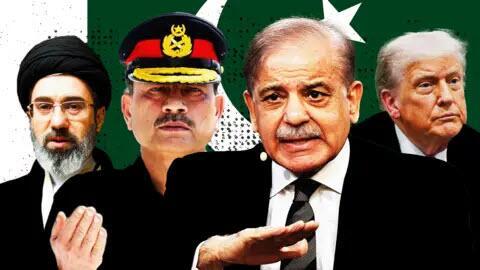
As another volatile week comes to an end, investors and market participants appear to be clinging to the hope that the two‑week ceasefire between the United States and Iran, which began on Wednesday, will not unravel entirely – at least until a direct, face‑to‑face exchange and clarification of key demands can take place during the planned talks in Islamabad this weekend. Near‑dated Brent crude edged up by $2 to $97, equity markets posted modest declines in Europe, whilst US stocks rose. European bond yields rose by 3–5 basis points, as UST yields dropped a few. This suggests that the powerful risk‑on move seen on Wednesday has been dented but not broken. Experts continue to stress the fragility of the ceasefire, but markets are showing slightly greater confidence than the underlying geopolitical reality might warrant.

Compared with the first day of the ceasefire – which saw Israel launch its largest‑ever strike on Hezbollah, the UAE carry out a large‑scale operation against Iran’s oil and petrochemical assets in the Gulf, and Iran respond with ballistic missile and drone attacks – yesterday’s developments were notably more contained. There were no confirmed direct US‑Iran strikes. That said, Hezbollah did fire rockets into northern Israel, and Iran formally accused the United States of violating the ceasefire due to Israel’s continued strikes in Lebanon. Kuwait also accused Iran and its proxies of launching drone attacks.
Crucially, shipping through the Strait of Hormuz remains severely disrupted, with only a handful of Iran‑linked and/or Chinese vessels transiting the waterway. Iran indicated that it would allow no more than 15 ships per day to pass under the ceasefire agreement – hardly meaningful given that an estimated 800-900 vessels are still waiting to exit the strait. More fundamentally, the move underscores Iran’s effective control over the waterway, a message reinforced by the publication of “two safe shipping routes” by Iran’s Ports and Maritime Organization.
As reported earlier this week, shipowners are still grappling with whether – and under what conditions – it is safe to transit the Strait of Hormuz. Insurance is only part of the equation; the security of crews is equally critical. This raises the risk that even once ships can leave the strait to deliver cargoes to Asia and Europe, owners may remain reluctant to re‑enter the area to load new shipments. This reinforces our view that even if the war were to end – a point that remains far from certain – normalisation would not be immediate. A temporary ceasefire, clearly, is not a sufficient condition for a return to business as usual.
On that note, German Chancellor Merz has told President Trump that Germany would back a mission to secure the Strait, but that such an operation would ideally be conducted under a mandate from the UN Security Council. We’ll have to see if the US administration sees any merit in this, as it would imply Russia and China will get a clear say in the matter as well.
Following his meeting with NATO Chef Rutte – which only further exposed the rift in the alliance – Trump has demanded that countries provide concrete, operational support to US military actions – specifically through access to bases, airspace, logistics, and naval participation – rather than limiting themselves to political backing or neutrality. Trump did not issue a formal ultimatum in the meeting, but officials and media reports suggest the administration is considering concrete penalties for uncooperative allies, including redeploying or withdrawing US troops from certain NATO countries, or – more extreme – reassessing US commitments to the alliance as a whole.