There's currently some consensus among international reports that the weekend US-Iran peace talks in Pakistan fundamentally broke down over the nuclear issue. The question of Iran's enriched uranium has at times over the course of the war taken a front seat and at other times a back seat when it comes to Washington's evolving justifications and war aims in launching Operation Epic Fury.
On Monday a US official has been cited in Axios as saying Iran must halt its nuclear enrichment program for 20 years to end the war, scaling back from an earlier White House demand for a permanent end to enrichment. And that's when sources say the Iranians countered with a shorter "single digit" period.

The unnamed sources explained that during talks in Islamabad the Iranian mediators countered with a proposal to halt enrichment for less than ten years.
Multiple Middle Eastern countries are still working to mediate a resolution, as both Washington and Tehran moved away from maximalist positions on enrichment. Before the talks, Trump demanded a permanent halt, while Iran pushed for a deal allowing a civilian nuclear program without additional restrictions.
Al Jazeera reports of where things stand in the following:
Pakistan, which spent weeks positioning itself as a mediator and succeeded in bringing both sides into the same room, emerged with its role intact. But officials acknowledge the harder phase now begins — getting American and Iranian negotiators back into talks before their differences explode into full-fledged war again.
“Pakistan has been and will continue to play its role to facilitate engagements and dialogue between the Islamic Republic of Iran and the United States of America in the days to come,” Pakistan’s Deputy Prime Minister and Foreign Minister Ishaq Dar said in a statement after the conclusion of the talks.
And Axios in a separate follow-up report also confirms:
Pakistani, Egyptian and Turkish mediators will continue talks with the U.S. and Iran in the coming days in an effort to bridge the remaining gaps and reach a deal to end the war, according to a regional source and a U.S. official.
All parties still believe a deal is possible. The mediators hope that narrowing the gaps could enable another round of negotiations before the ceasefire expires on April 21.
The two sides remain divided over Iran’s stockpile of 60% enriched uranium, with Tehran having offered to dilute the stockpile if US sanctions are lifted, while the US apparently required that Iran export all the material.
President Trump has even openly talked about possibly ordering a military raid to seize the stockpile - much of it believed buried deep underground - in what would be an extremely risky and daunting mission.
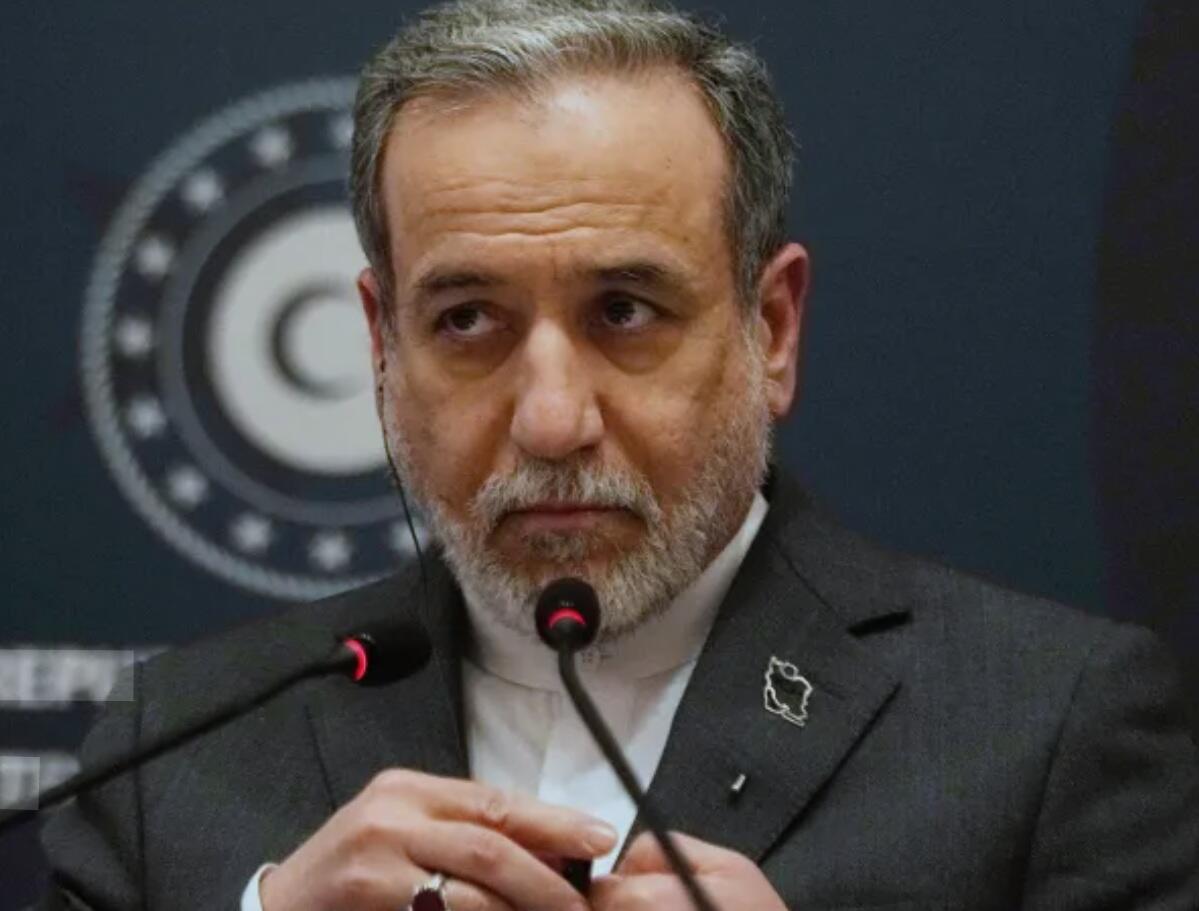
Tehran has meanwhile accused Washington of making "excessive demands" - with Foreign Minister Abbas Araghchi having alleged negotiations collapsed because the US changed its position late in the process.
"In intensive talks at the highest level in 47 years, Iran engaged with the US in good faith to end war," he earlier wrote on X. He added: “But when just inches away from ‘Islamabad [Memorandum of Understanding],’ we encountered maximalism, shifting goalposts, and blockade. Zero lessons earned."