
Authored by Naveen Athrappully via The Epoch Times (emphasis ours),
Annual electricity power generation from utility-scale solar projects is predicted to exceed output from coal for the first time ever in 2026 on grids run by the Electric Reliability Council of Texas (ERCOT).
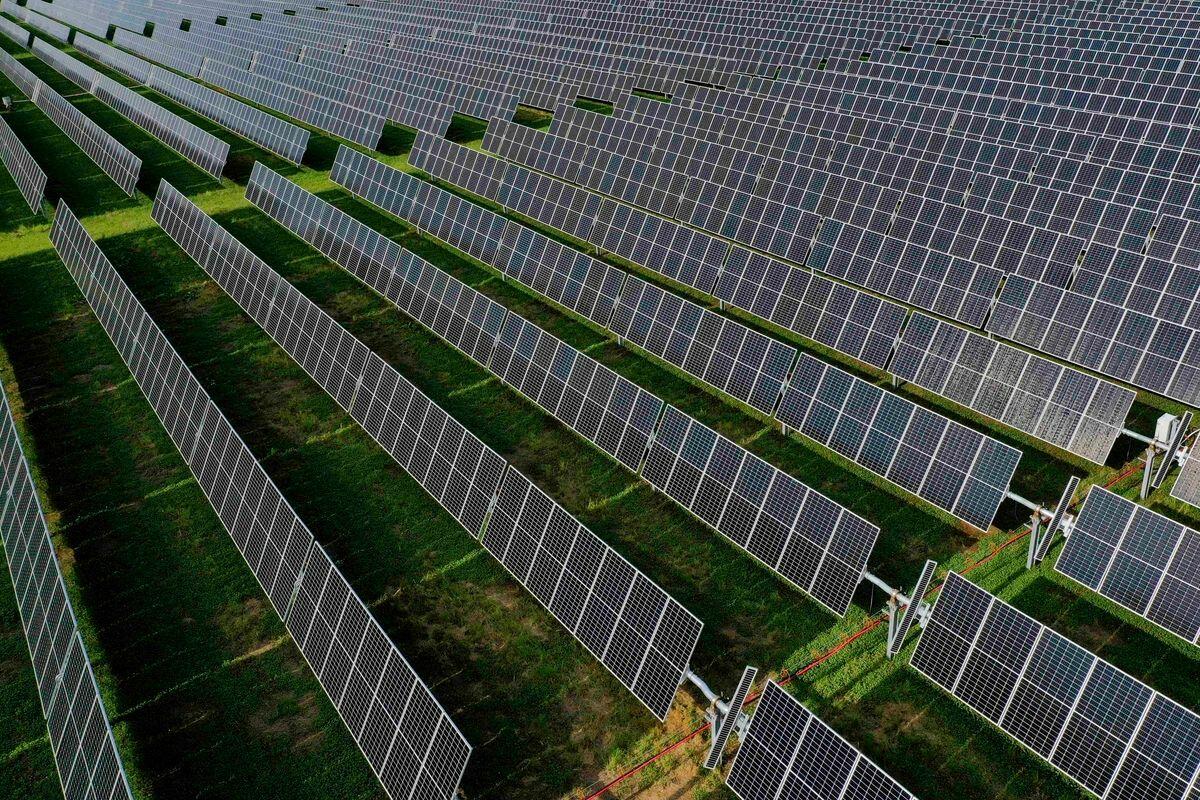
This year, solar power generation within the ERCOT-run grids, which cover most of the state, is expected to be 78 billion kilowatt hours (BkWh), 30 percent higher than the 60 BkWh generated by coal, the Energy Information Administration (EIA) said in a May 13 statement, while adding that solar generation has been steadily increasing within ERCOT.
For 2027, annual solar generation is projected at 99 BkWh, a 50 percent lead over coal’s 66 BkWh.
“Natural gas remains the dominant source of electricity generation in ERCOT, accounting for an average 44 percent of electricity generation from 2021 to 2025,” the agency said.
However, “solar’s share of the generation mix has increased from 4 percent to 12 percent in those years, while coal’s share has decreased from 19 percent to 13 percent,” it said.
This year, roughly 40 percent of total solar capacity additions nationwide are forecast to occur in Texas.
One of the projects expected to come online this year is the Tehuacana Creek 1 Solar and battery energy storage system, which, at 837 megawatts, could be the largest solar photovoltaic project to go online in the state in 2026.
There are currently no plans to construct new coal plants in ERCOT, the EIA said.
As for nationwide trends, a January report from the EIA predicted the combined share of solar and wind power in America’s total electricity generation to rise from 18 to 21 percent during 2025–2027.
In contrast, “the three main dispatchable sources of electricity generation (natural gas, coal, and nuclear) accounted for 75 percent of total generation in 2025, but we expect the share of generation from these sources will fall to about 72 percent in 2027,” the agency said.
Power Outage Risks
The July 2025 Resource Adequacy Report from the Department of Energy warned that the risk of power outages in the United States could jump 100-fold by the end of this decade, driven by the retirement of firm power plants and load growth.
Firm power refers to power that can be generated at all times, such as via coal, natural gas, and nuclear power. Intermittent sources, such as solar and wind, are dependent on factors like weather to generate power.
According to the report, “104 GW of firm capacity is set for retirement by 2030. This capacity is not being replaced on a one-to-one basis, and losing this generation could lead to significant outages when weather conditions do not accommodate wind and solar generation.”
Crackdown on Solar, Wind Projects
The Trump administration has taken various actions against renewable energy projects.
In July 2025, the Department of the Interior announced it would implement policies to end the special treatment accorded to “unreliable” energy sources. The department’s first measure called for identifying policies in favor of solar and wind projects, and halting support for energy supply chains controlled by foreign rivals.
In August 2025, the Department of Agriculture stopped funding all programs for solar or wind projects on farmland.
Some of the Trump administration’s policies have been successfully challenged.
In April this year, a federal judge blocked the administration’s efforts to cease approvals for wind and solar energy projects in a case filed by a coalition of renewable energy groups. The court issued a preliminary injunction blocking five actions, including a legal opinion that had slowed approvals for solar and wind projects.
The judge said that the plaintiffs were likely to succeed on the merits of their claims that various agencies violated the Administrative Procedure Act, which governs how these agencies make policy decisions.
“This is an undeniable victory for members of our coalition and the broader clean energy industry, as well as American households and businesses,” the plaintiffs said in a joint statement.
Meanwhile, the United States set a new record for total energy production last year, outputting 107 quadrillion British thermal units, 3.4 percent higher than the previous record in 2024. This is the fourth straight year the country has set a record for total energy output.
Natural gas was the top source of energy, followed by crude oil, coal, natural gas plant liquids, renewables, and nuclear power.
Natural gas output grew by more than 4 percent in 2025 from 2024. Coal power generation rose by 4 percent, which followed two years of declining production. Renewable energy output increased by 3 percent.