
Despite a near-halt in daily Hormuz traffic, Bloomberg reports that almost all large non-Iranian tankers that have entered the Persian Gulf during the war appear to have successfully exited with a cargo, underscoring the emergence of a small group of shipowners willing to risk crossing the Strait of Hormuz.
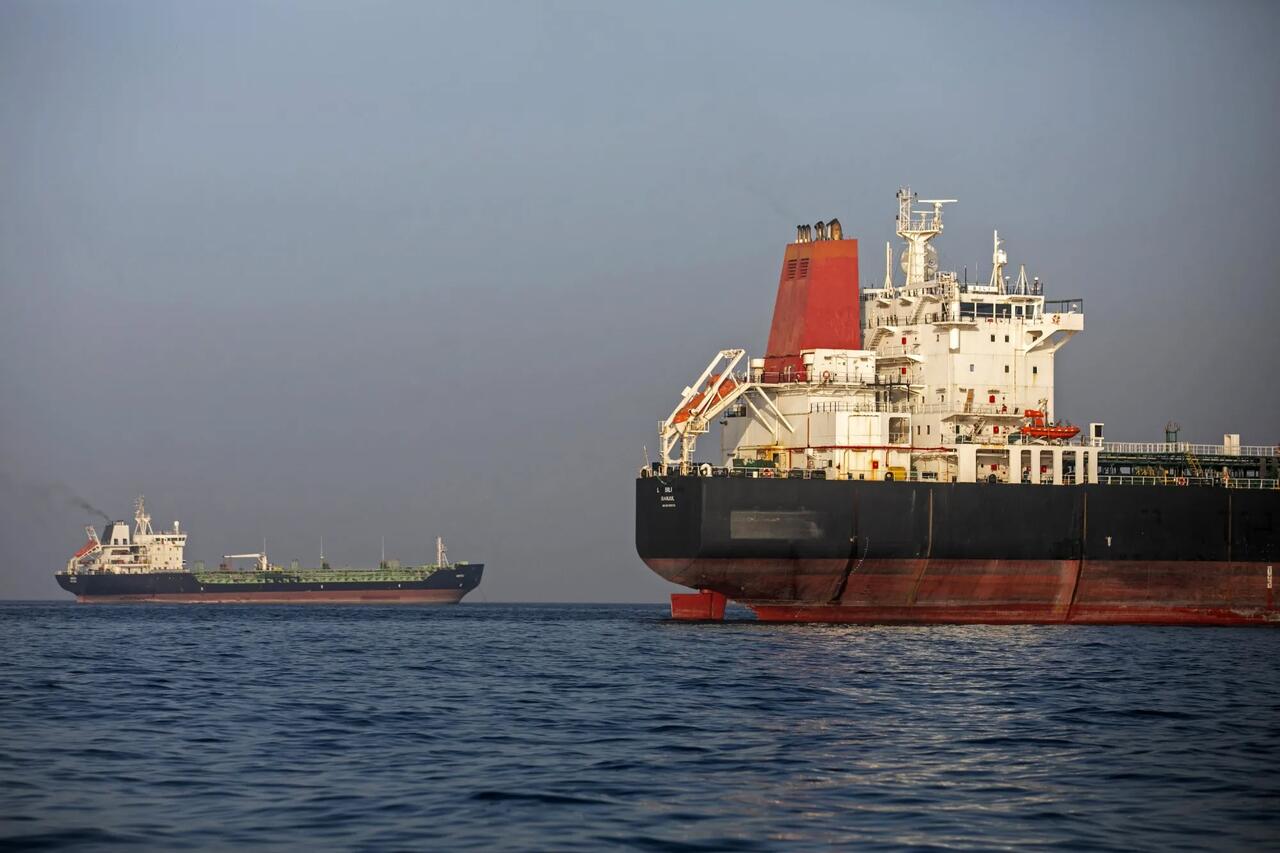
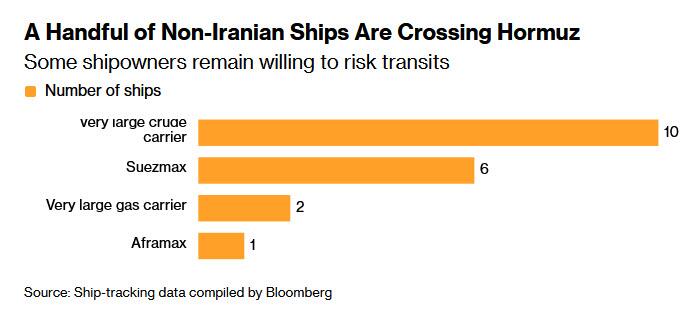
At least 19 oil- and liquefied petroleum gas-carrying ships without Iranian links have both entered and exited Hormuz since March 1, according to vessel-tracking data compiled by Bloomberg. In contrast, about 100 such tankers that entered the Gulf before the conflict remain stuck for fear of attacks, the data show.
As noted above, merchant shipping through the vital energy chokepoint has - for the most part - ground to a halt since US-Israeli attacks at the end of February triggered a wave of Iranian retaliation and led Tehran to tighten its grip over the waterway. Yet a handful of vessels have been managing to cross under an array of schemes, including deals arranged at a government level (with payment in bitcoin) in some cases (and keep in mind that the numbers, both for ships stranded in the Gulf and those making the crossing, could be higher in reality, given many vessels in the region are switching off their satellite signals to protect against strikes).
Of the 19 ships to cross, seven have been linked to Greece’s Dynacom Tankers Management. The company has been one of the main firms to continue using the strait since the conflict began. In true honey badger form, the company is known to turn off its ship transponders and then to quietly make the Hormuz crossing usually under the cover of night. It is unclear if Dynacom had arranged any special arrangement with Tehran ahead of its crossings.
The cargoes the vessels were carrying have largely been from the United Arab Emirates and Iraq. Of the rest, three were transporting oil from Saudi Arabia or a mix of oil from the kingdom and other Arab Gulf nations.
Only one large tanker that entered the Gulf after the war started hasn’t left, the data show.
The crossings are only a fraction of the typical Hormuz transits before the war, which accounted for about a fifth of the world’s oil supply.