
It can simultaneously threaten Russia along the increasingly interconnected Arctic and Baltic fronts.
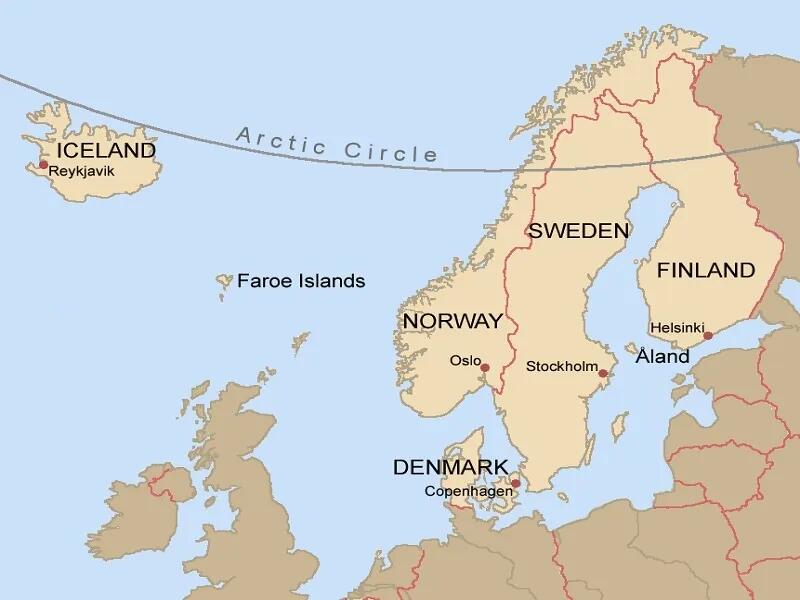
Russian Ambassador to Norway Nikolai Korchunov gave a brief interview to TASS about bilateral relations. He warned that Norway is integrating new NATO members Sweden and Finland into the bloc’s regional plans. More American military bases and NATO facilities are opening up there too. To make matters worse, 32,500 troops from 14 NATO countries in last March’s “Cold Response” military drills in Norway and Finland’s northern regions, which add to growing NATO threats to Russia from this direction.
NATO’s militarization of the Arctic, which also includes artificially engineered tensions over the demilitarized Svalbard Archipelago, is proceeding in parallel with its militarization of the Baltic.
Korchunov believes that this raises the risk of the bloc one day attempting to blockade Russia. He reassured his compatriots that the authorities will defend their country’s interests, however, including through military-technical means in an allusion to new naval escorts of some commercial vessels.
In connection with blockade scenarios, Korchunov was asked about TASS’ report from early April about how “Ukraine readies terrorist attacks on Russian ships off coast of Norway”, which he said caused quite a stir in his host country. He didn’t elaborate on how exactly Russia plans to deter or defend against potential Ukrainian drone attacks from Norway, but he ominously warned that escalating threats to Russia from Norway “will inevitably lead to a directly proportional increase in risks for Norway itself.”
Korchunov wasn’t asked about it in his interview, but the week prior to its release, the UK announced that it’ll lead a new multilateral naval initiative against Russia with Norway and eight others. This goes to show Norway’s growing role in threatening Russia through blockade scenarios, whether they’re in its neighboring Arctic region and/or the nearby Baltic one. As a founding member of NATO, Norway seems to believe that this obligates it to lead Russia’s containment in Northern Europe.
To that end, it’s functioning as Sweden and Finland’s “big brother” in NATO while actively cooperating with the UK, one of Russia’s historical nemeses. This enables Norway to simultaneously advance Russia’s containment along the increasingly interconnected Arctic and Baltic fronts. Given its oil wealth, Norway could also extend military loans to its “little brothers” for accelerating their military buildups and the subsequent creation of a northern regional command against Russia as part of the US’ “NATO 3.0” plans.
The preceding insight draws attention to one of the ways in which multipolarity is reshaping Europe, namely through the trend of regional military integration, whether it’s Norway wanting to lead a nascent “Viking Bloc” or Poland trying to restore its lost Great Power status in Central and Eastern Europe. The Anglo-American Axis is managing this division of military-strategic labor, with the US being the senior partner and the UK being the junior one, and they plan to replicate this model elsewhere in Eurasia.
Apart from Norway and Poland’s regional military blocs, Romania provides this duopoly with reach into Moldova and the Black Sea, while Turkiye expands their influence in the Black Sea but also the South Caucasus, Caspian Sea, and Central Asia via the “Trump Route for International Peace and Prosperity”. There’s also AUKUS+, which could prospectively include Japan, South Korea, Taiwan, the Philippines, and even Indonesia. The emerging result is “The Globalization of NATO” with multipolar characteristics.