
The US fired hundreds of its most advanced interceptors to protect Israel from Iranian missiles during the first five weeks of the war.
According to a Department of War assessment described to The Washington Post, the US used 200 Terminal High Altitude Area Defense (THAAD) interceptors and over 100 SM-3 and SM-6 missiles in defense of Israel.
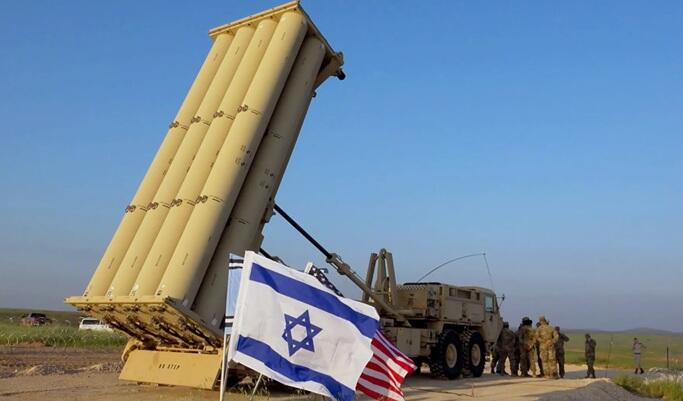
In comparison, Israel only used 100 Arrow interceptors and 90 David’s Sling missiles.
Speaking about the imbalance, an administration official told The Post, "In total, the U.S. shot around 120 more interceptors and engaged twice as many Iranian missiles." The official added that "The imbalance will likely be exacerbated if fighting restarts."
The imbalance occurs because Washington and Tel Aviv developed a strategy for the defense of Israel, where the US advanced interceptors handled the bulk of the Iranian missiles. The official said that the policy resulted in a significant "drawdown" of the US interceptor stockpile.
During the conflict, the US used about half of its stockpile of advanced interceptors, including Patriots, SM-3, SM-6, and THAAD interceptors. WaPo further quotes the following analyst who said—
"The numbers are striking," said Kelly Grieco, a senior fellow at the Stimson Center. "The United States absorbed most of the missile defense mission while Israel conserved its own magazines. Even if the operational logic was sound, the United States is left with roughly 200 THAAD interceptors and a production line that can’t keep pace with demand."
The US intelligence community says Iran has over 70% of its pre-war launchers and missiles. Additionally, Tehran has resumed drone production, and it’s rebuilding its military production at a surprising rate.
A US official also told The Post that Israel's offensive capabilities were slowing down. They explained that by the end of March, Israel was conducting 50% fewer strikes against Iran because its air force was exhausted by operations against Lebanon and Yemen.
In recent days, President Donald Trump has threatened to restart the war against Iran if Tehran does not comply with his demands. However, the President had made similar threats throughout the six-week-long ceasefire and has always backed down.
The Post reports that the US has positioned additional naval assets near Israel to assist with missile defense in the war restarts.