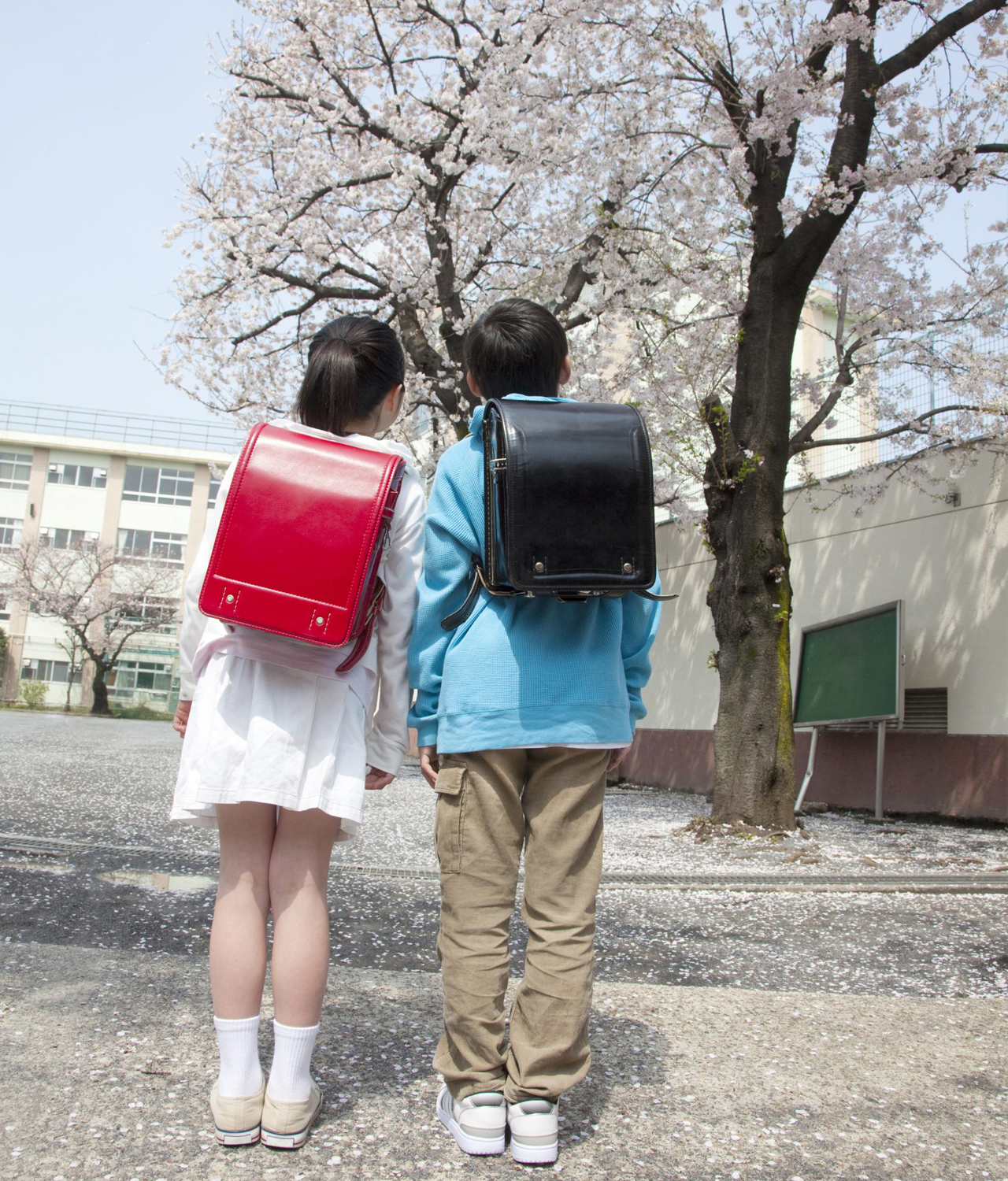
If you’ve ever set foot in Japan, or even just watched five minutes of anime, you know this silhouette.
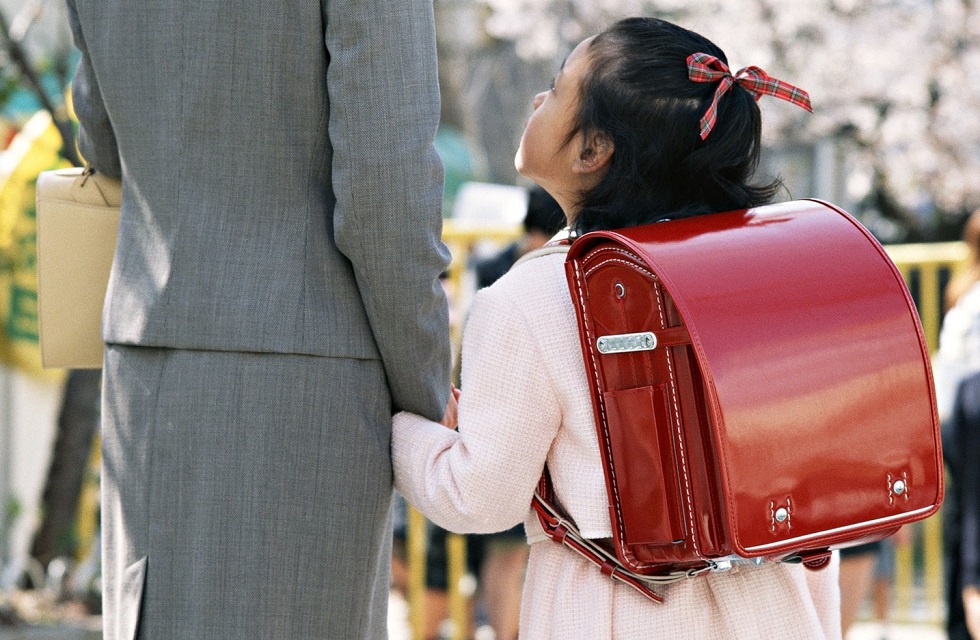
It’s boxy. It’s stiff. It has a massive flap covering the entire front and straps that look weirdly over-engineered for the tiny shoulders they rest upon. It is the randoseru (ランドセル). And it is, without a doubt, the most recognizable school bag on the face of the planet.
Every single elementary school child in Japan—millions of them—wears one for exactly six years. But to call the randoseru just a “school bag” is a disservice to its craft.
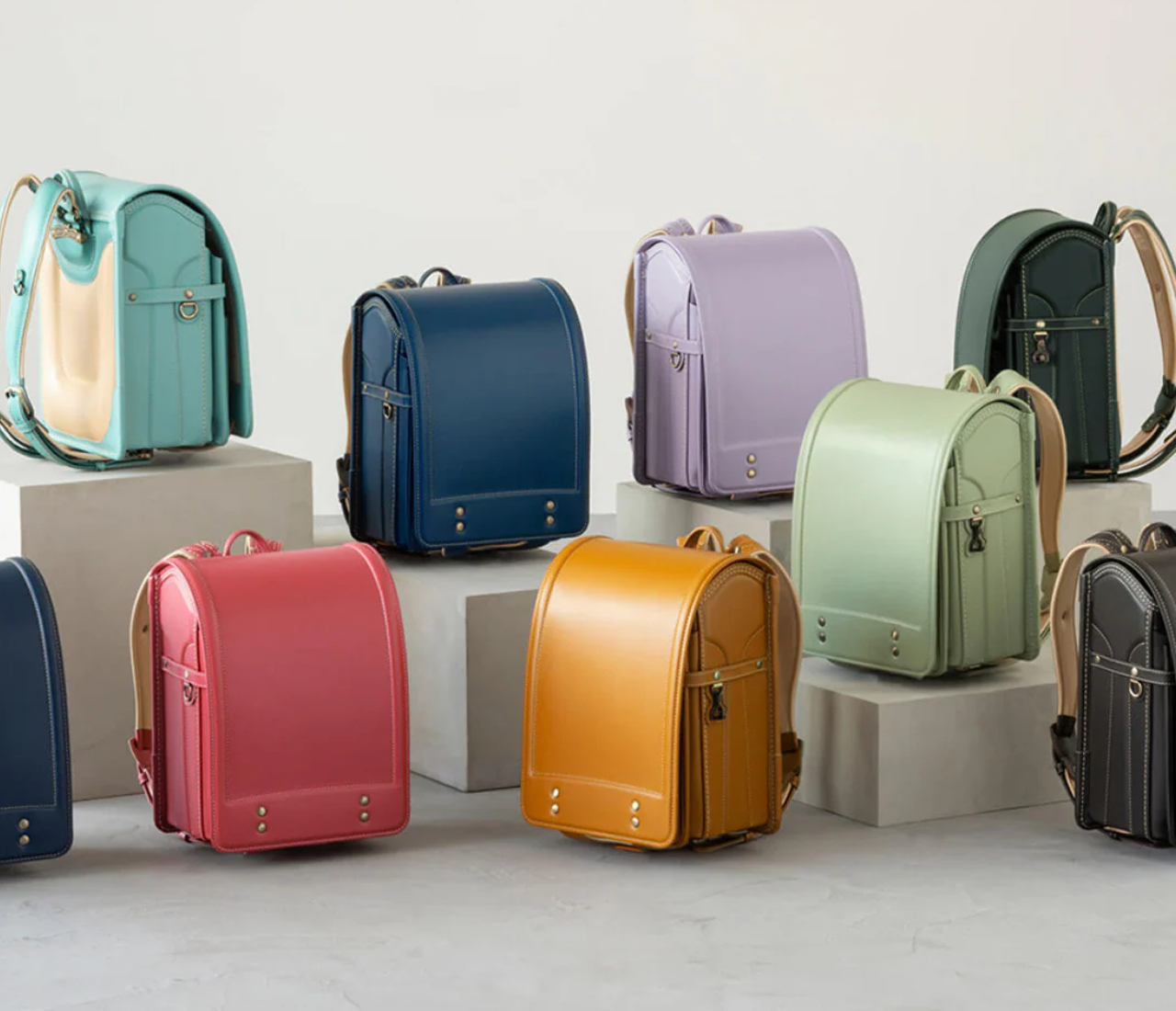
It is a cultural artifact, a mandatory rite of passage, a piece of safety equipment, and strangely enough, perhaps the finest example of mass-produced leather craftsmanship in the world. And the wildest part? The genesis of this quintessentially Japanese icon isn’t even Japanese.
This is the story of the Randoseru.
Picture this: It’s the 1850s, and Japan is cautiously cracking open its doors after centuries of isolation. Dutch military advisors arrive to modernize the Japanese army, and among their gear is something the Japanese have never really seen before—a structured military backpack called a “ransel.”
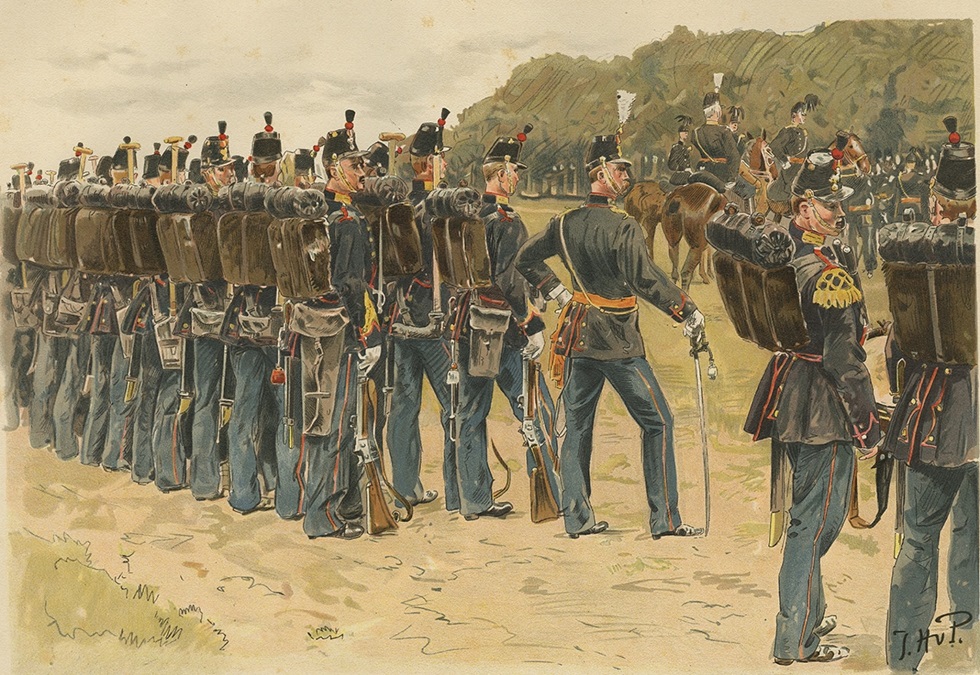
The Japanese military takes one look at these Dutch backpacks and thinks: We need those. But this is Japan, so they don’t just copy them—they completely reimagine them, rebuild them, and eventually transform them into something that would make a Dutch soldier scratch his head.
Fast-forward to 1887. The future Emperor Taishō is about to start elementary school, and someone has the bright idea to gift him a fancy leather version of the military “ransel”. One royal photo op later, and suddenly every family in Japan wants their kid carrying the same bag as the future emperor.
In a stratified society where the imperial family sat at the symbolic center, that gesture mattered. The randoseru moved, almost overnight, from battlefield to classroom, from soldier’s kit to scholar’s gear. It became a sign of seriousness and modernity, something associated with merit and learning rather than rank alone.
Over the following decades, as universal elementary education spread and post‑war Japan remade itself around the idea of mass, egalitarian schooling, that association only deepened.
Uniforms on the Back
In most of the world, a kid’s backpack is a loud little biography. Cartoon prints, band patches, logos, colors that declare allegiance to one subculture or another. Your bag is your banner.
The randoseru was designed to do the opposite.
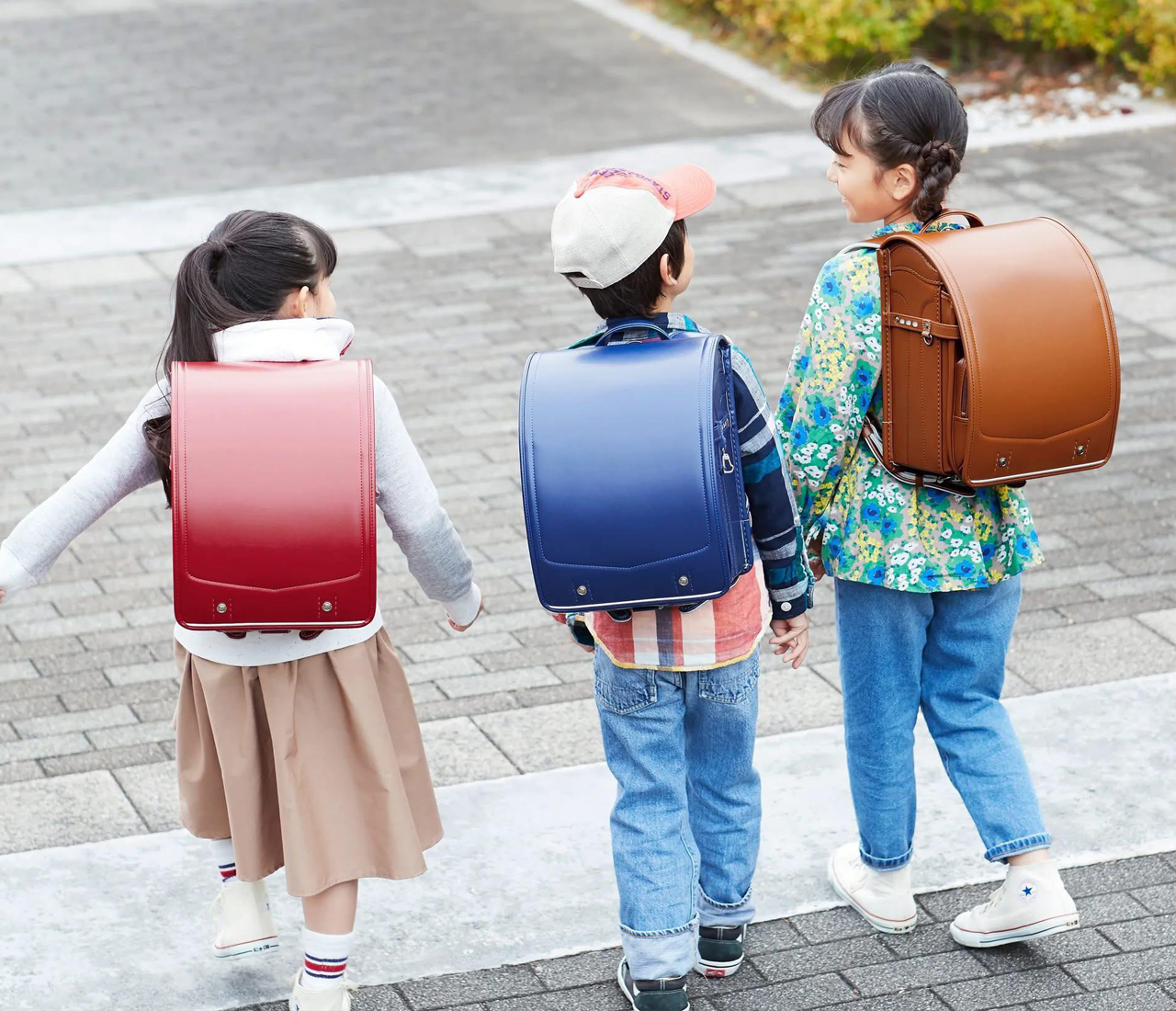
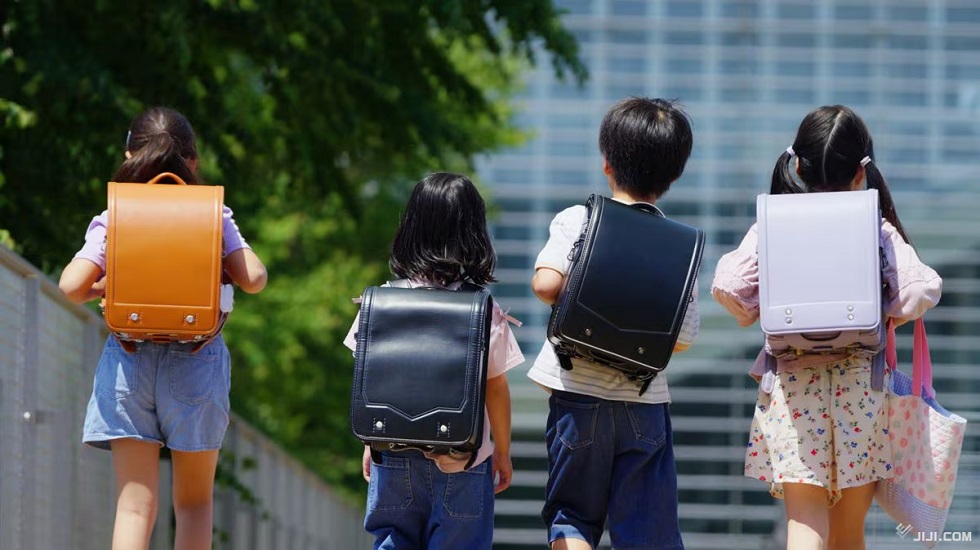
As public schools expanded and Japan leaned into the idea of the group over the individual, the randoseru became part of the visual uniform of childhood. The thinking was straightforward: if every child wears essentially the same bag, you can’t read household wealth, taste, or fashion awareness from a silhouette at the crossing light. The bag becomes a great leveler on the way to and from school.
To this day, most randoseru share the same basic architecture: a stiff rectangular body, a deep lid that covers the main compartment, a gently curved back panel, and two heavily structured shoulder straps anchored low and high. Logos, if present at all, are small and discreet. From across the street, a cheap synthetic version and a hand‑stitched premium model look nearly identical.
Of course, anyone steeped in the culture can tell them apart. The grain of the leather, the density of the padding, the brand stamped in tiny letters on a side panel all give the game away. Status still seeps in at the edges. But at a glance, fifty kids waiting at a crosswalk look like one unit. That’s not an accident; it was the point.
Six years, No Excuses
Most kids’ backpacks are designed with a certain quiet assumption: they’ll be wrecked, lost, or outgrown in a year or two. The randoseru is built on the opposite assumption. It has one job: survive exactly six years of daily use, from the first day of first grade in April to the graduation ceremony at the end of sixth.
To make that promise, manufacturers build them like small pieces of luggage.
A typical randoseru uses more than 300 individual components: outer panels, reinforcements, liners, piping, padding, buckles, rivets, hooks, internal frames, reflective elements. The boxy body is stiffened with plastic or fiberboard sandwiched between leather or synthetic skins, sometimes supported by metal bars to keep the silhouette square under load. The lid has to close cleanly and stay aligned for thousands of open‑close cycles. The seams must hold when a kid swings the whole thing by one strap onto a hook, every day, for years.
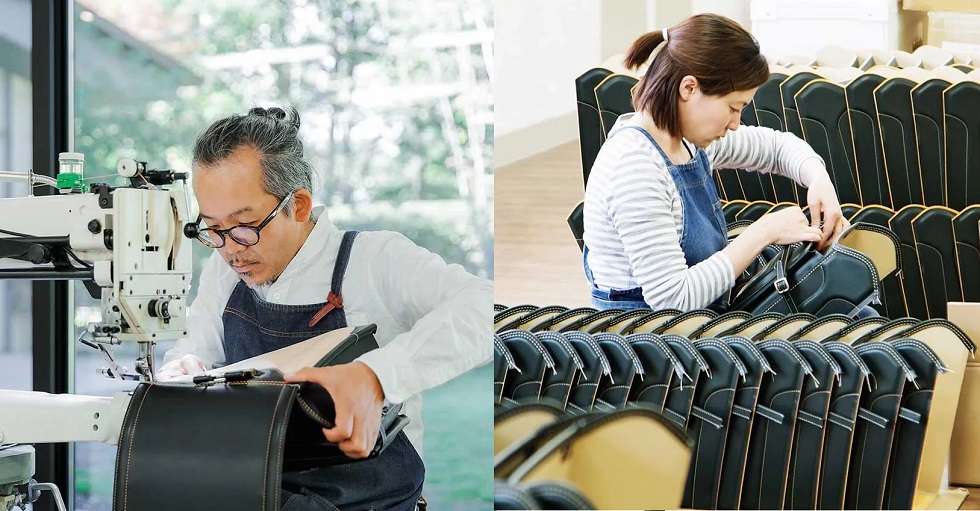
Factories and workshops torture‑test them accordingly. Buckles are opened and snapped shut on machines thousands of times. Loaded bags are dropped repeatedly to see how corners and frames hold up. Water is sprayed to simulate heavy rain. The structure is compressed and twisted to check for permanent warping.
At the higher end of the market, this is still very much handwork. Craftspeople cut and skive leather, curve and stitch back panels, paint and burnish edges, and assemble the complex harness system by hand. Many of them trained for years on simpler products before graduating to randoseru. Some small workshops make only a couple of hundred bags a year.
The result is overkill in the best sense. When a twelve‑year‑old walks out of school with their randoseru for the last time, the bag is often still functionally perfect. The leather is softer, the lid carries a constellation of small scratches, but structurally, it’s ready for another tour of duty.
Armor (You Can Put Your Homework In)
The randoseru’s stubborn geometry—the straight planes, the hard edges, the insistence on box over sack—looks like pure tradition until you think about how Japanese kids actually move through the city.
Most elementary students walk to school. There are no big yellow buses; parental drop‑off is the exception, not the rule. Kids walk on narrow residential streets, often with no sidewalks, crossing at zebra stripes and peering around parked cars. They do this in sun, rain, and snow, carrying all their daily gear on their backs.
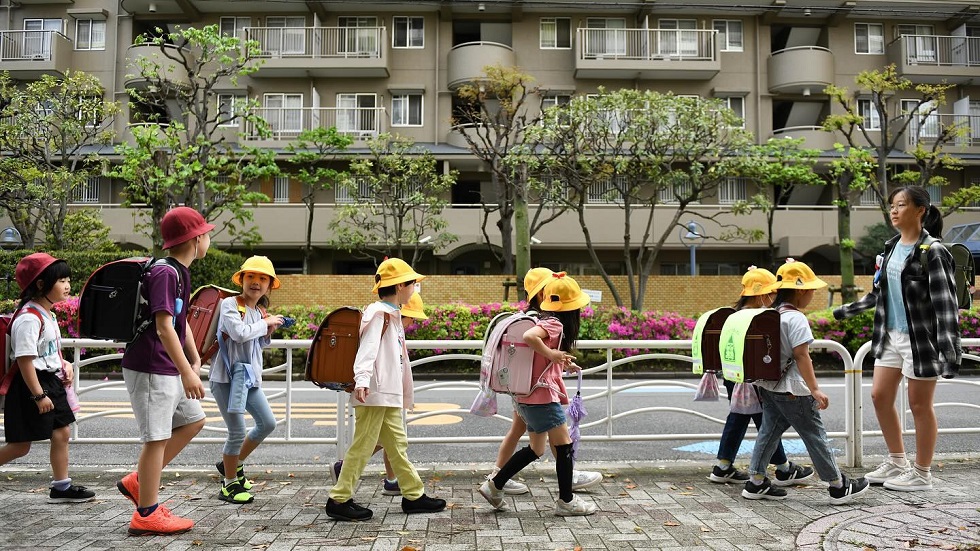
The randoseru doubles as a quiet piece of protective equipment in that environment. The rigid box on the back acts as a crude but real shock absorber in backward falls, taking the hit instead of a spine. Some manufacturers explicitly test impact resistance with that in mind. The structured harness keeps the load high and tight, so it doesn’t swing wildly if a child needs to run or turn quickly. The box’s lid and walls keep books—and increasingly tablets and laptops—sheltered from downpours.
Visibility is built in. Reflective material is now standard, often disguised in piping or small panels so the bag still looks clean in daylight. On top of that, many first graders use bright yellow rain covers issued by schools for the commute, turning the already distinctive shape into a moving high‑viz marker.
In a country used to thinking in terms of earthquakes and floods, people have also imagined the randoseru as an improvised shield for falling debris, or a flotation aid, even if those possibilities were never officially written into the spec sheet.
The Weight of Expectation
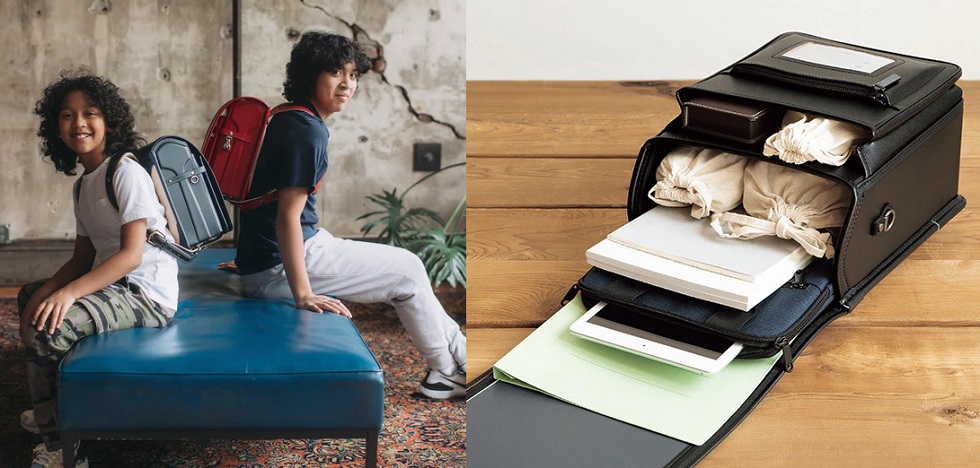
All that structure, however, has a cost. An empty randoseru usually weighs between one and one and a half kilos. Fill it with textbooks, notebooks, stationery, lunch, and a water bottle, and it is easy to hit four to six kilos—around nine to thirteen pounds.
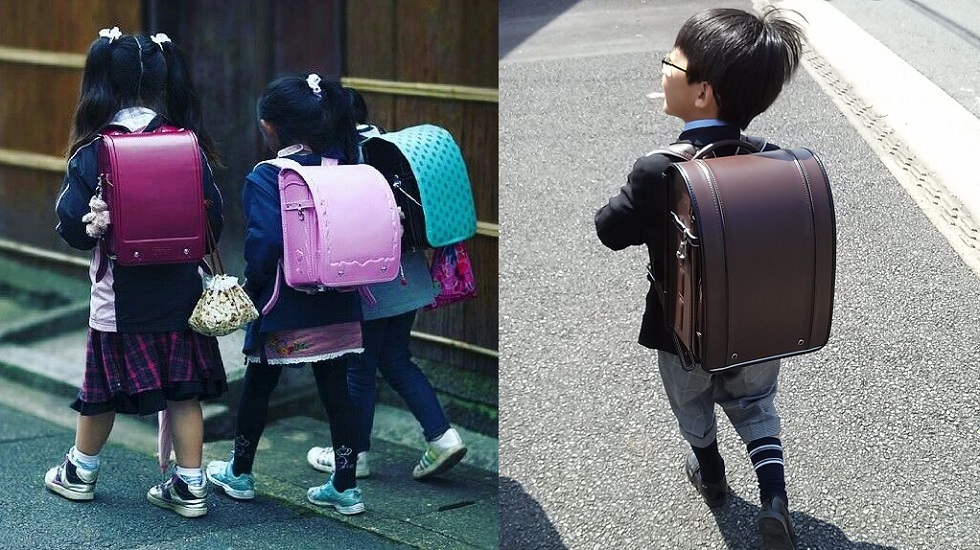
For a first grader who might weigh 20 to 25 kilos, that’s a non‑trivial share of their body weight. Enough that Japan has a phrase for the resulting strain: “heavy schoolbag syndrome.” Doctors talk about back and shoulder pain. Newspapers run photos of small kids visibly leaning forward under their loads. Parents complain.
The government has taken the issue seriously enough to study it and to encourage lighter materials, reduced textbook carry, and the use of digital teaching tools. Some manufacturers have responded with more synthetics and lighter reinforcements.
But the basic silhouette and the expectation of six‑year durability have not moved. Families who grew up with a solid, weighty bag often equate that heft with quality, safety, and seriousness. A much lighter, flexible pack simply doesn’t feel like a “real” randoseru, and changing the form would mean disrupting a shared mental picture of what starting school looks like.
In this contest between ergonomics and tradition, tradition is still winning.
A Ceremony Called Ran‑katsu
From the outside, it looks like commerce. Inside Japan, buying a randoseru feels closer to a family rite.
The price sets the tone. Entry‑level models hover around the equivalent of US$200. Mid‑range and premium leather versions routinely land between US$400 and US$800. Limited editions and designer collaborations can push well past US$1,000. For a six‑year‑old’s school bag, that’s a serious investment.
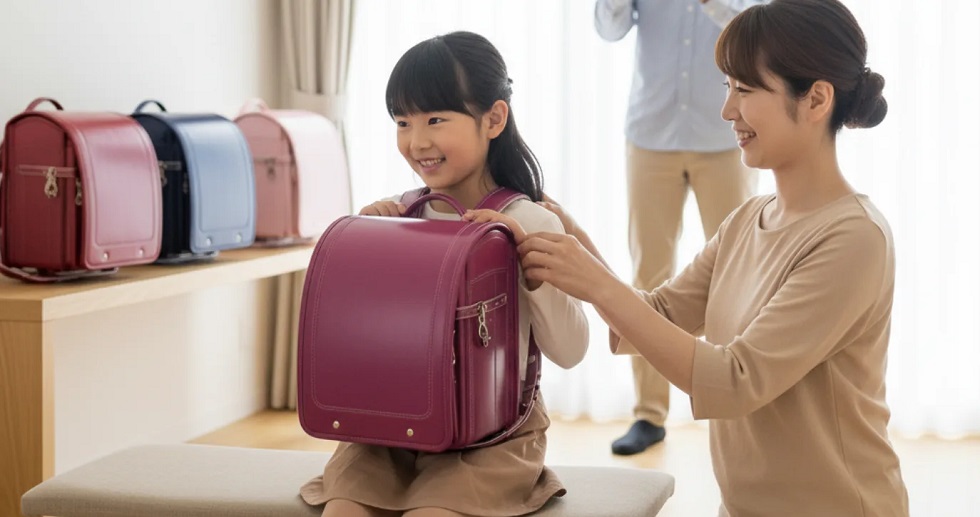
It’s usually not made lightly, or alone. Grandparents—especially on the mother’s side—often insist on paying, framing the bag as a gift that carries the child into their formal life in society. Parents and grandparents plan visits to department stores and specialty shops. Children spend weekends walking up and down in front of mirrors, trying different makers, leathers, colors.
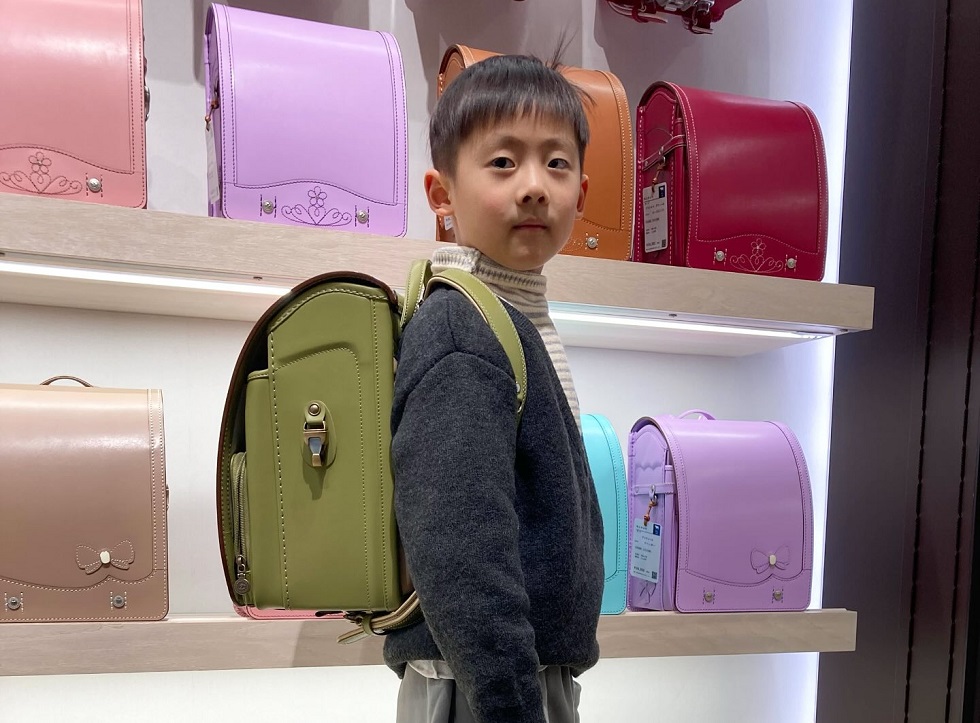
There’s even a word for the whole process: ran‑katsu, “randoseru hunting.” It starts almost a year before school, with peak season in the summer for a school year that won’t begin until the following April. Popular colors and high‑status workshops often sell out months in advance. Social media has added another layer of comparison and urgency.
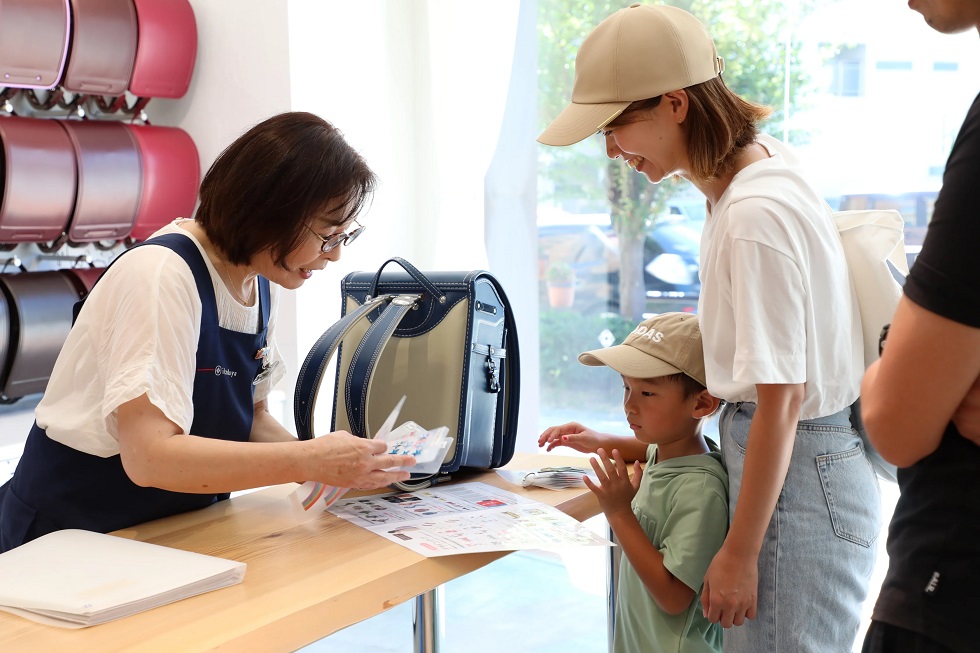
By the time a bag is chosen, it represents not just utility but a negotiated compromise between generations: the grandparents’ memory of what a “proper” bag looks like, the parents’ budget and values, and the child’s preferences, especially around color.
From Black and Red to a Cautious Spectrum
For decades, color was simple and strict. Boys carried black randoseru. Girls carried red. That was how it was, almost everywhere. A line of kids walking to school looked like a tidy alternating pattern of gender and tradition.
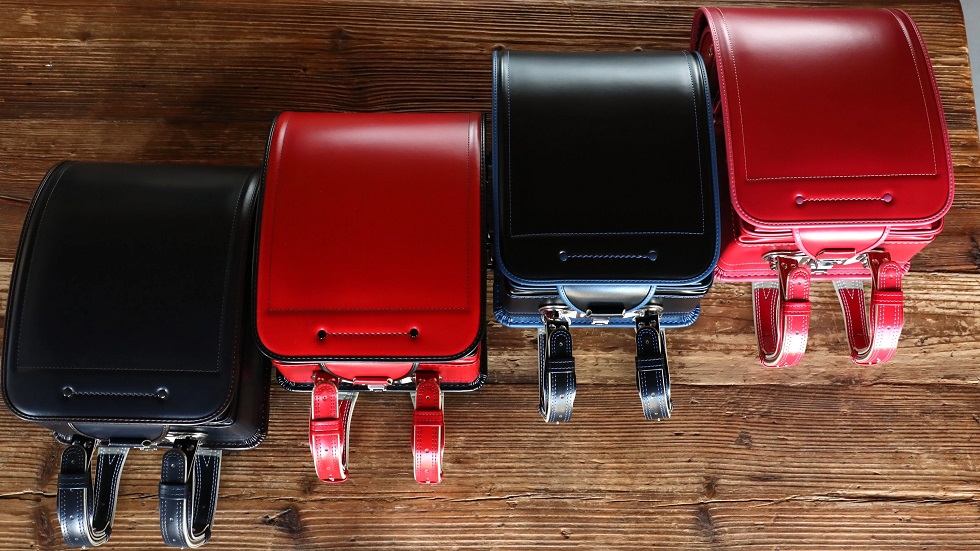
That rigidity began to soften in the early 2000s. Manufacturers, sensing both a saturated market and changes in social attitudes, started introducing alternatives. Dark navy and brown appeared first, then moss greens and burgundies. Pastels followed: soft pinks, lilacs, light blues. Conservative schools and families stuck with black and red; others began to experiment.
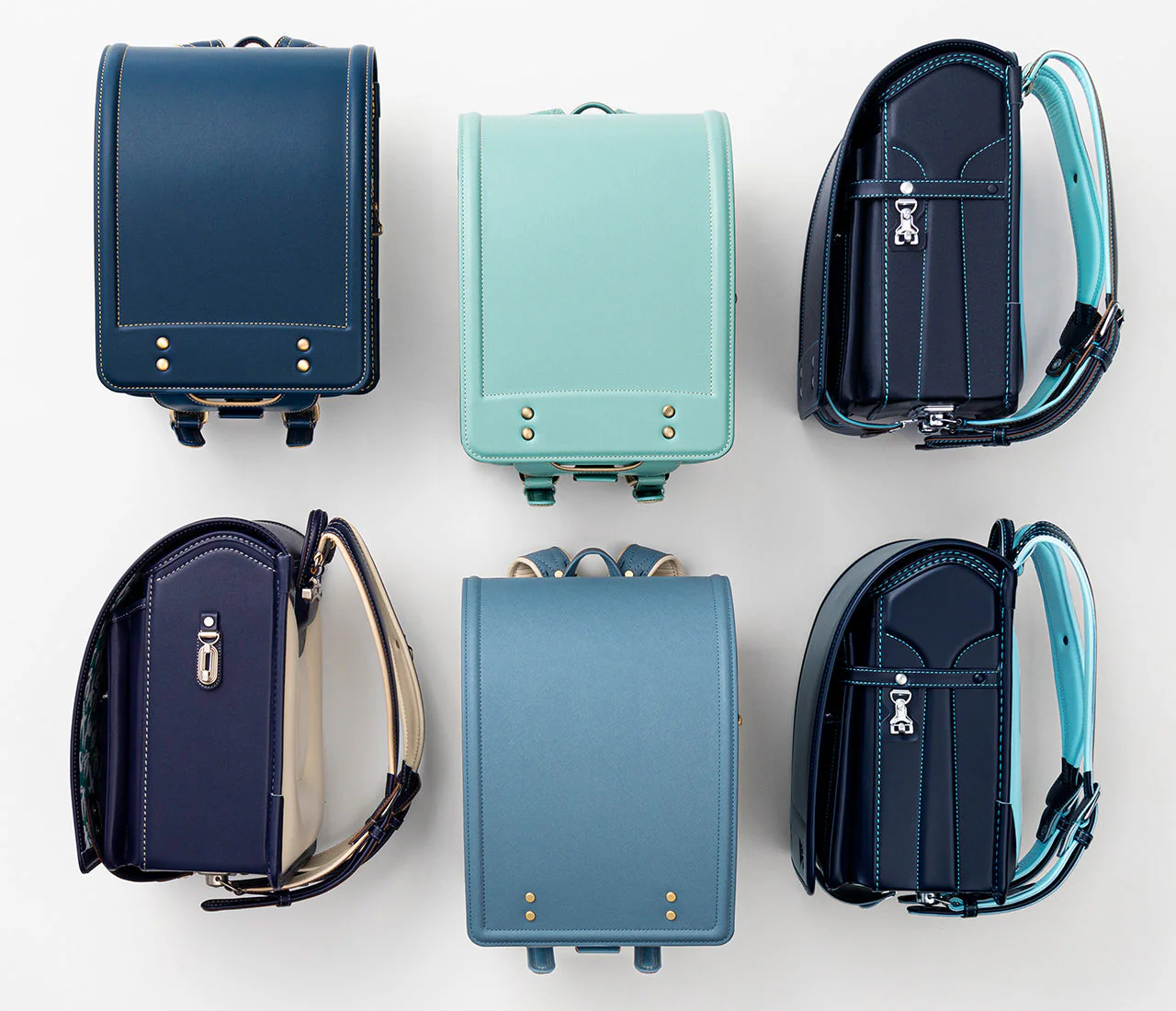
Today, catalogues commonly show twenty or more color options. Some children choose understated tones that nod to tradition; others pick bright, distinct hues that make them easy to spot in a crowd. You do occasionally see a boy with a red or purple bag, or a girl with a navy or black one, small everyday acts of crossing an old color code.
The core silhouette hasn’t budged, and black and red still dominate overall sales. But the palette tells a story of slow cultural negotiation: between uniformity and self‑expression, and between rigid gender rules and a more flexible sense of identity, all played out on the backs of seven‑year‑olds.
What Happens When Childhood is Over?
If you build a bag to survive six years of hard use and it does exactly that, you’re left with an awkward question: what do you do with it when it has done its job?
In many countries, the answer would be simple: donate, hand down, or discard. With randoseru, it rarely is. Throwing one away feels wrong to a lot of families, almost disrespectful. That boxy little shape has been in every first‑day photo, every sports‑day morning, every rainy walk home.
Most households keep them. They end up in closets or on top shelves, often filled with old notebooks, report cards, and small objects from those years. Some are eventually donated through organized programs that refurbish and ship randoseru to children in places like Afghanistan, Mongolia, or parts of Africa, where a tough, structured school bag is a coveted tool. Others are upcycled by specialist workshops into wallets, keychains, photo frames, or even tiny 1:3‑scale replica randoseru that fit in a hand.
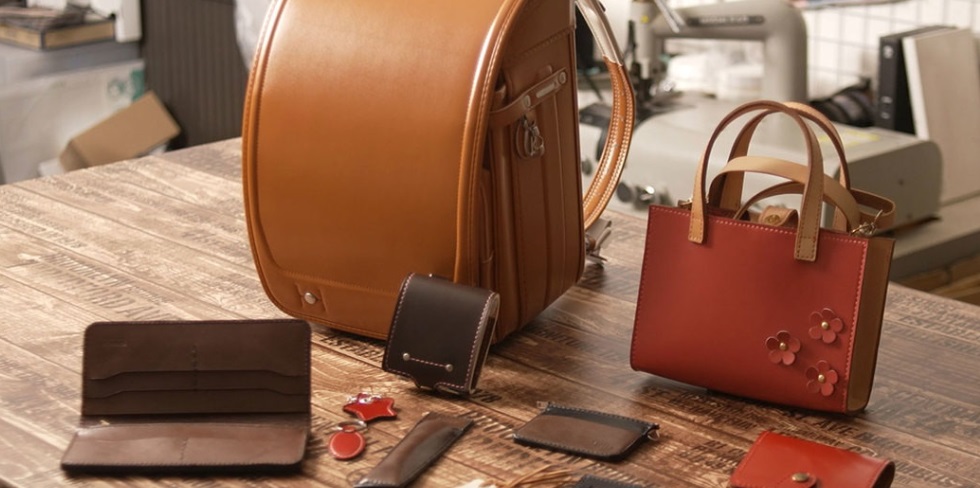
The empty randoseru carried home on graduation day has become a quiet cultural symbol. It marks the boundary between protected childhood and the more independent, less uniform world of junior high, where kids shift to more conventional backpacks or shoulder bags. The box retires from active duty and becomes something else: an artifact, a time capsule, a physical reminder that those six intense, structured years really happened.
An Object of Tradition and Memory
Ask a Japanese adult about their randoseru and you’ll usually get a specific answer. They remember the color. They remember where their family bought it. Some remember the smell of new leather, the way the straps felt too stiff on the first walk to school. Many still have the bag somewhere in their parents’ house.
That kind of continuity is rare for a piece of carry. The randoseru has become more than a product; it’s part of the way Japanese society organizes childhood. It standardizes what it looks like to become a student. It supports a network of craftspeople and factories. It interacts with urban planning, traffic safety, and even educational policy. It carries not just books but a set of expectations: walk on your own, keep your things in order, join the group.
From a carry perspective, it’s a fascinating contradiction. It’s heavier than it should be, more rigid than modern ergonomics would recommend, and less expressive than most kids would naturally choose. Yet it endures, because it does its job almost too well and because millions of people have wrapped their own stories around it.
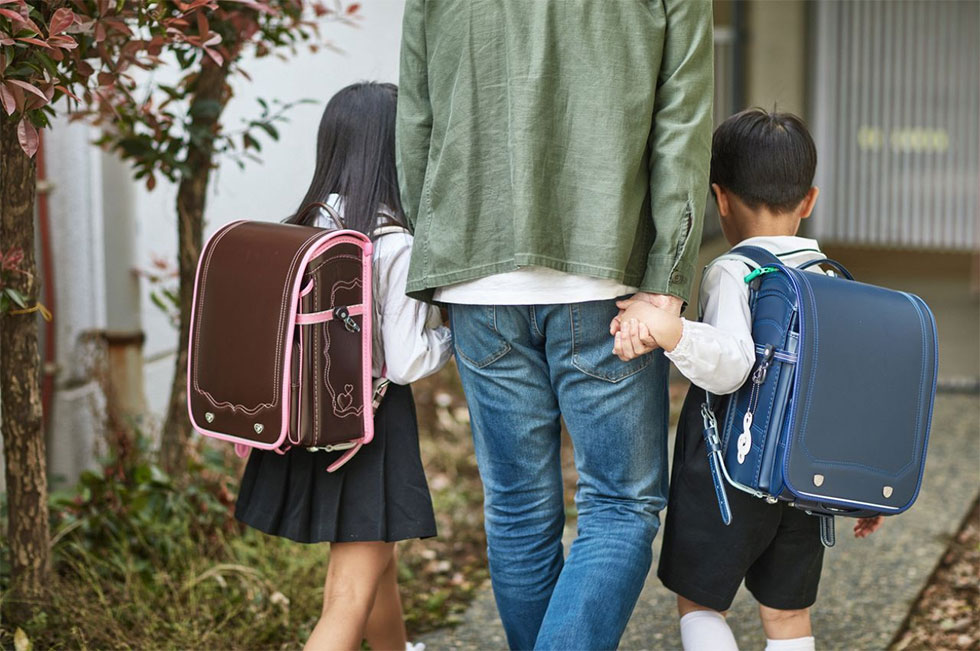
On any given weekday morning in Japan, if you stand by a residential street as the clock edges toward eight, you’ll see them: small figures in hats and uniforms, each with a box on their back, walking with that determined, slightly wobbly stride of the under‑tens. The bags are nearly identical. The lives they’re carrying are not. And that might be the real magic of the world’s most iconic backpack: an object designed for sameness that ends up containing six years of completely individual days.