
For decades, archaeologists argued that cities grew alongside inequality. As settlements expanded, wealth often moved toward rulers, priests, and elite families. A new study on Mohenjo-daro presents a different story.
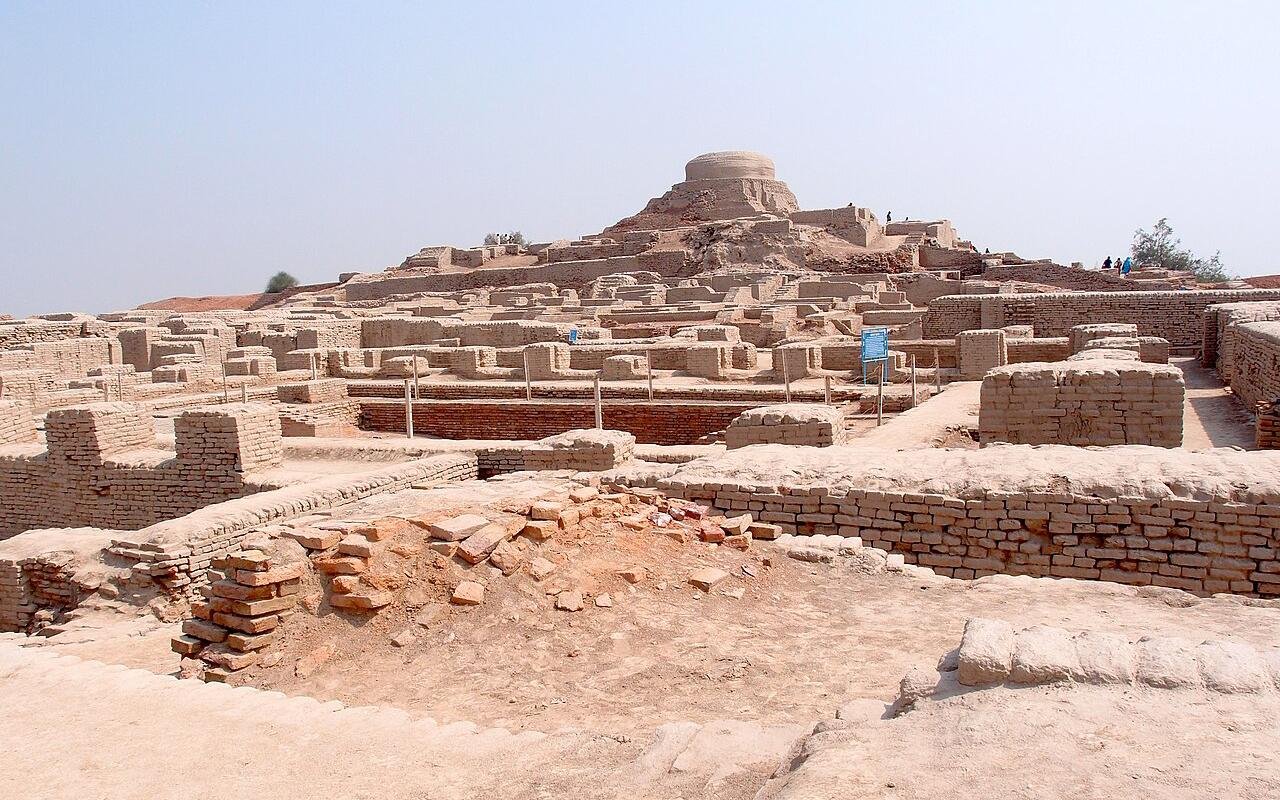
Researchers from the University of York examined housing patterns in Mohenjo-daro, one of the largest cities of the Indus Civilization. The city thrived between 2600 and 1900 BC in present-day Pakistan. Their analysis found lower inequality levels than those seen in other ancient urban societies. The gap between wealthy and poorer residents even shrank over time.
The team studied excavation records from earlier archaeological work at the site. They focused on the size of homes across the city and used Gini coefficients to measure economic inequality. Economists often use this system today to compare wealth distribution. Higher scores point to larger economic gaps.
Mohenjo-daro produced lower scores than cities in Mesopotamia and Bronze Age Greece. Researchers found another pattern as well. As the city developed, inequality dropped instead of rising.
House sizes became more similar during later periods of the city’s history. Differences between large and small residences narrowed to levels closer to early farming villages than major urban centers. At the same time, Mohenjo-daro expanded and grew more prosperous.
Archaeologists have long noted what the city lacks. Excavations uncovered no royal palaces, no giant statues of rulers, and no lavish tombs filled with gold or luxury goods. Other ancient civilizations invested heavily in monuments linked to kings and ruling classes. Mohenjo-daro followed another route.
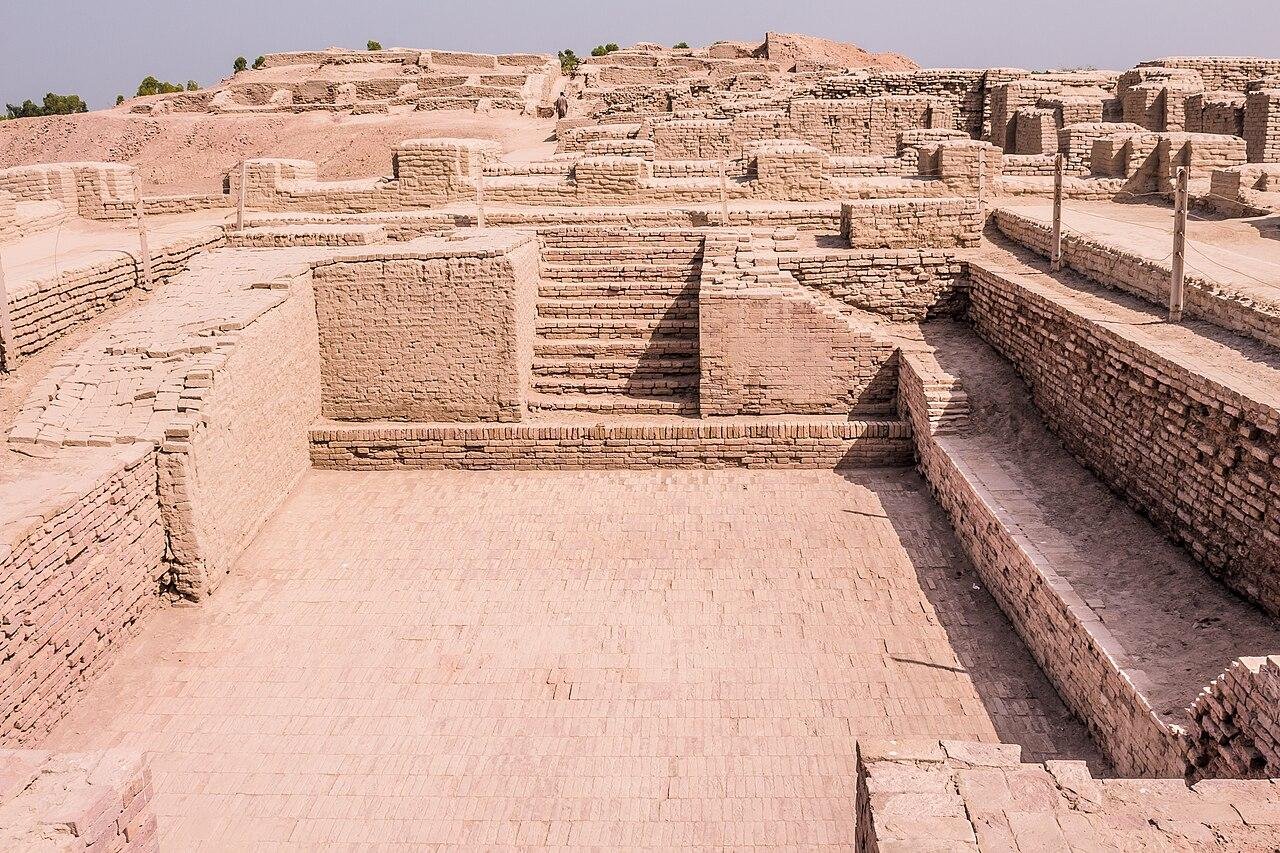
The city became known for organized streets and advanced drainage systems. Brick-lined drains passed through neighborhoods, serving ordinary households across the settlement. Public infrastructure appears throughout the city instead of concentrating around elite districts.
Trade practices show a similar pattern. Indus seals, used for business and administration, turned up in common homes across the city. Archaeologists did not find evidence showing rulers controlled access to these objects. Standardized weights and measures spread throughout the region as well, helping create consistent trade practices.
Researchers believe city governance played a large role in limiting inequality. Investment focused on practical systems tied to daily life, including drainage, street maintenance, and shared infrastructure. Development along city streets increased during the same period when economic gaps declined.
Lead author Dr. Adam Green said Mohenjo-daro differed sharply from other major societies of the time. Ancient Egypt built pyramids for rulers. Bronze Age Greece raised palaces for elites. Mohenjo-daro invested in public services used across the population.
The findings challenge the long-held belief that economic growth leads toward wider inequality. In Mohenjo-daro, urban growth and rising productivity appeared alongside a more equal distribution of resources. Researchers argue the city offers one of the clearest ancient examples of large-scale urban life built around shared access to infrastructure and economic activity.
The study also raises broader questions about how early cities functioned. Archaeologists often link urban growth with centralized political power and rising social divisions. Mohenjo-daro points toward another model, one where collective governance and public investment shaped the city’s long-term stability.