In-brief analysis
June 16, 2026

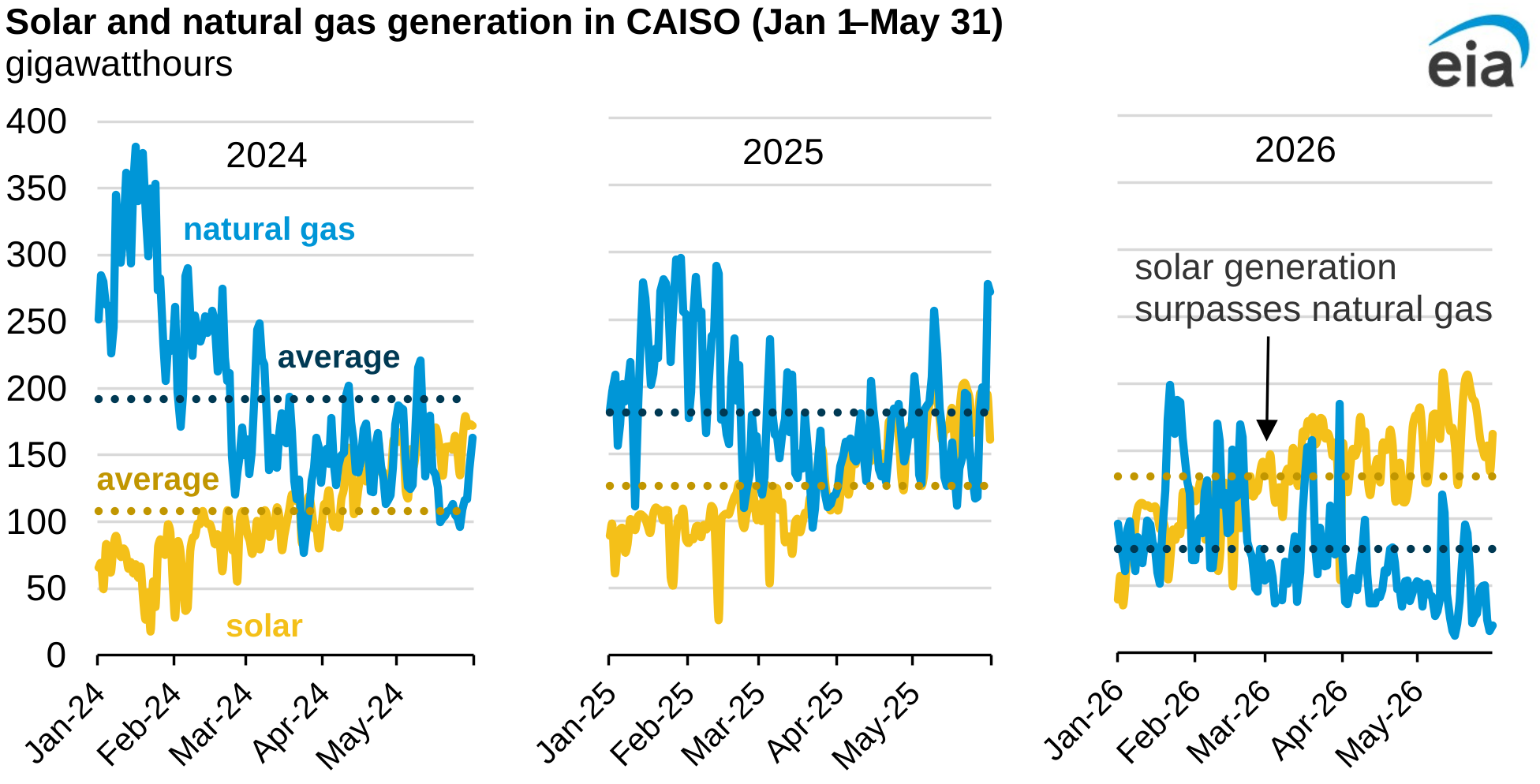
In the first five months of 2026, utility-scale solar generation surpassed natural gas generation in CAISO. Solar electricity generation in the California Independent System Operator (CAISO) over the first five months of 2026 increased 21% compared with the same period in 2024, and natural gas generation decreased by 60%, data from our Hourly Electric Grid Monitor shows.
In CAISO, utility-scale solar generated more electricity than natural gas on a daily basis on 82% of days in the first five months of 2026, up from 21% in 2024 and 2025.
Both solar generating capacity and battery storage capacity have grown in CAISO over the past two years while natural gas generation capacity has remained flat, according to our Preliminary Monthly Electric Generator Inventory. From April 2024 to April 2026, utility-scale solar capacity increased 19% to 25 gigawatts (GW), and net battery storage capacity increased 79% to 16 GW. Natural gas capacity remained nearly unchanged at 29 GW. Total net capacity increased by 14% (11 GW) over this period.

Battery storage, often co-located with solar, charges when solar generation exceeds grid needs in the middle of the day and contributes power to the grid during the evening and early morning when there is less sun. In the first five months of 2026, battery storage discharge tripled compared with the same period in 2024. Despite increasing generation from solar and batteries and a 7% increase in demand over this time period, there was a 19% decrease in net generation as electricity imports from nearby systems doubled in CAISO. The increase in imports was driven by relatively inexpensive electricity generation coming online and available for import. Hydroelectric power imports from the Pacific Northwest increased as the drought there subsided, and CAISO began importing from the new SunZia wind project in New Mexico starting April of this year. In addition, generator retirements in CAISO between May 2024 and May 2025 totaled 555 MW and included a 300 MW battery installation that caught fire in January of 2025.

Principal contributors: Kimberly Peterson, Katherine Antonio, Lori Aniti