
Authored by Zachary Stieber via The Epoch Times,
The Supreme Court on Sept. 25 said the Trump administration can use an updated immigration database to verify the citizenship of voters.
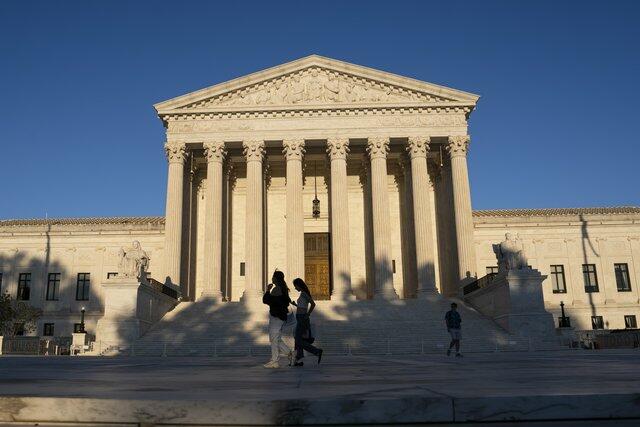
A majority of justices agreed to stay pending the outcome of an appeal of a June order from a federal judge that barred the use of a revamped database called the Systematic Alien Verification for Entitlements system.
U.S. District Judge Sparkle Sooknanan had found that federal officials were violating the privacy rights of American citizens by disclosing the citizenship status and Social Security numbers, among other data, in the restructured database. She vacated the 2025 update, which connected Social Security information to the system.
A federal appeals court later upheld the decision.
Trump administration officials then asked the Supreme Court to intervene, arguing in a Sept. 8 brief that the order "threatens the integrity of upcoming elections by vacating the federal government's authority to internally use Social Security data when fulfilling its duty to respond to requests by states to verify the citizenship of individuals for voting and other purposes."
Six justices sided with the administration. In a per curiam opinion, they said that claims from the organizations that sued over the updated database "likely lack merit," including the allegation that federal officials are violating federal laws, because Congress authorized the Department of Homeland Security to request and receive citizenship information and immigration status from other agencies, including the Social Security Administration, in a 1996 statute called the Illegal Immigration Reform and Immigrant Responsibility Act.
The majority also said that keeping in place the prohibition "inhibits the Federal Government's efforts to assist state and local agencies."
States regularly use the system. Texas Secretary of State Robert Howden recently said the state in the fall of 2025 ran the names of its 18 million registered voters through the database and identified 2,724 people who may be noncitizens.
Justice Ketanji Brown Jackson wrote a dissent that was joined by Justices Sonia Sotomayor and Elena Kagan.
They said that connecting the database to the Social Security Administration's data did not fit under the "strict limits" imposed by the Illegal Immigration Reform and Immigrant Responsibility Act, and that the law did not override other statutes such as the Privacy Act that organizations say the administration violated.
"The harm caused by burdening or disenfranchising even a few lawful voters outweighs the nonexistent harm that the Government experiences when it is prevented from taking an action that it likely lacks the authority to take," Jackson wrote.
"This imbalance, along with the Government's improbable merits arguments, should have compelled the Court to deny the stay."
The White House and a lawyer representing the organizations did not immediately return requests for comment.