
The Senate on Sept. 28 passed a bill that seeks to bring stability to the rapidly changing landscape of collegiate sports, sending it to the House of Representatives.
The Protect College Sports Act of 2026 passed on a 77-22 vote. The bill aims to address growing concerns surrounding athlete compensation, transfer rules, conference realignment, and long-term athlete protections. Since the House is out of session, it is unlikely to vote on the bill until after the November midterm elections.
In a Truth Social post, President Donald Trump called the Senate's passage of the bill "a really big deal."
"It will not only save college sports, it will save the colleges themselves," he said.
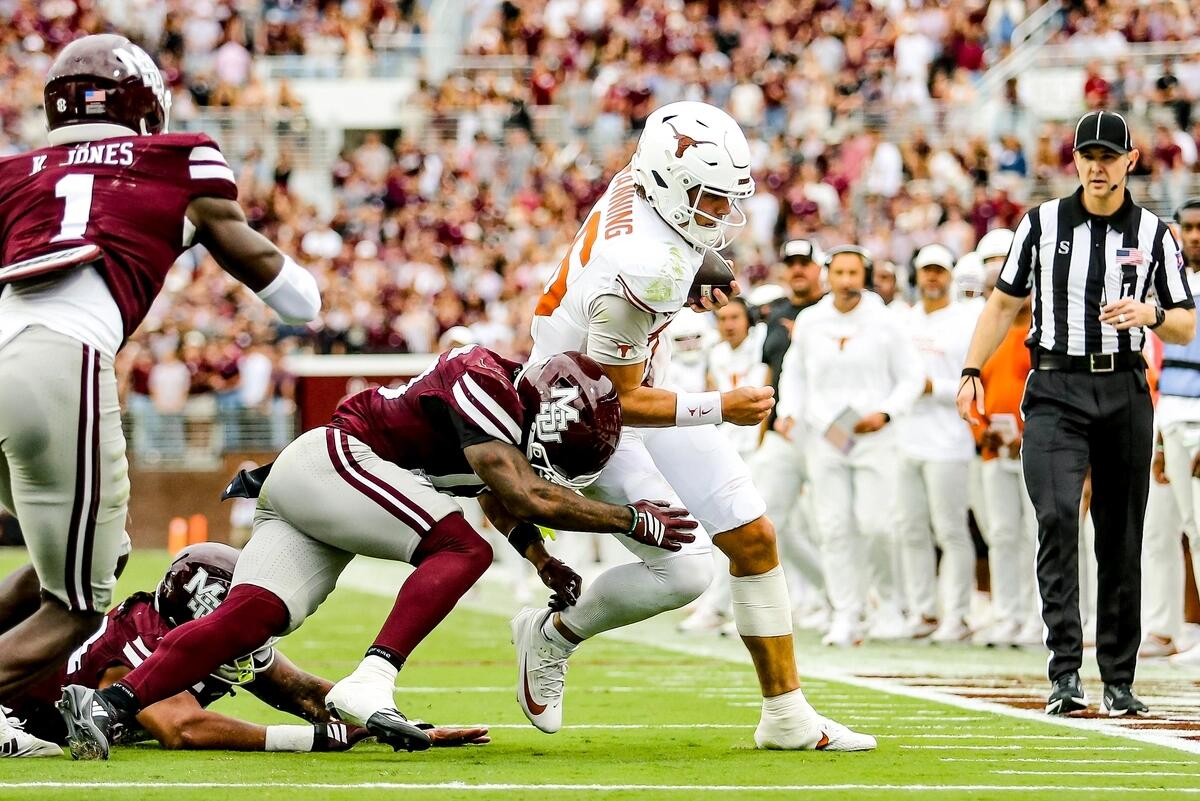
Under the legislation, the NCAA would be exempt from antitrust laws, and there would be a nationwide standard for name, image, and likeness (NIL) rules that would override the current patchwork of state laws.
As Jackson Richman reports further for The Epoch Times,The bill would allow student-athletes to use five seasons of eligibility within a five-year window and limit athletes to one transfer during their college careers. Division I schools would also be required to honor scholarships for up to 10 years after an athlete's final season.
Additionally, it would revise the Sports Broadcasting Act, allowing athletic conferences to pool television rights.
Another major component of the bill is player health and safety provisions.
Division I schools would be required to cover out-of-pocket medical costs for sports-related injuries both during participation and for five years after an athlete's final competition.
The legislation would mandate catastrophic injury coverage, access to second opinions, and post-career physical examinations, and establish a $60 million medical trust fund from the NCAA's coffers to assist smaller schools and athletes with long-term medical conditions.
The bill would also create an independent office within college athletics to provide confidential, free guidance to student-athletes and help resolve disputes involving schools, conferences, or athletic associations.
College football coaches would be prohibited from leaving midseason to take on another college football coaching job. This provision came after Lane Kiffin left his role as head coach of the University of Mississippi football team in November 2025 to take the same title at Louisiana State University.
Under the measure, at least one-third of governing boards or rulemaking committees within athletic associations would be required to consist of current or former student-athletes.
The bill also targets what lawmakers describe as abuses within the NIL system. It would ban compensation arrangements intended to bypass revenue-sharing limits or disguise pay-for-play incentives while preserving legitimate education- and athletics-related benefits established under the House settlement framework.
Under the House v. NCAA settlement, Division I athletes are eligible to receive a share of up to $20.5 million in school-generated revenue, with that cap expected to increase over time. The settlement also included nearly $2.8 billion in back pay for athletes who competed between 2016 and 2024.
The Protect College Sports Act would extend the revenue-sharing cap beyond the expiration of the House settlement after the 2034-35 academic year while allowing annual inflation adjustments.
The measure would create a bipartisan congressional commission to study the long-term future of college athletics, including athlete compensation, Olympic and women's sports, spending limits, health and safety standards, agent regulations, and the overall structure of college sports.
One unresolved issue in college athletics is whether student-athletes should be classified as employees of their schools.
The new legislation does not take a position. Congress has previously attempted to address the issue through measures such as the SCORE Act and SAFE Act. The House had planned to vote on the SCORE Act in May, but the vote was canceled amid concerns about insufficient support. That proposal would prevent student-athletes from being classified as employees.
Moreover, the legislation would prohibit certain large-revenue conferences, such as the Southeastern Conference and the Atlantic Coast Conference, from consolidating with or acquiring other conferences. It would limit the SEC, Big Ten, Big 12, and ACC to 19 schools. Any school from these conferences that changes to another conference would need to operate independently for three years. This provision would sunset in six years.
The bill has the support of the major conferences such as the Big Ten and Southeastern Conference, and others.
Sen. Ted Cruz (R-Texas), who introduced the bill with Sen. Maria Cantwell (D-Wash.), said the bill is necessary to bring sanity to college sports.
"The Protect College Sports Act is bipartisan legislation designed to bring order to the chaos, designed to put simple, common-sense rules in place so that college sports remain strong and vibrant for decades to come," Cruz said at a press conference on Sept. 14.
Cantwell said at the press conference, "This is about reining in the bad practices that are happening in college sports today, the runaway costs that are sending people to the state legislature, asking for bailout from taxpayers to pay for sports, asking people to take endowment funds that really should go to things like wheat research or AI, and instead have to be spent because of the runaway arms race in sports spending."
Most importantly, the bill has the support of President Donald Trump.
"The alternative just is no good. ... We have to get it voted on, and we're counting on the House - and I think the House will come through, too," the president told political commentator Clay Travis in an interview on Sept. 26.
Opposition to the bill has come from the NAACP and some Democrats.
"We recognize that the bill contains provisions concerning scholarships, healthcare, athlete agents, safety standards, and student-athlete representation," the NAACP's president and CEO, Derrick Johnson, wrote in an Aug. 4 letter to Senate Majority Leader John Thune (R-S.D.) and Minority Leader Chuck Schumer (D-N.Y.).
"College athletes deserve those protections. They should not, however, be used as political cover for provisions that insulate institutions and conferences from legal and economic accountability."
In a speech on the Senate floor on Sept. 16, Sen. Cory Booker (D-N.J.) disagreed with those who advocate for the bill.
"It's not about the safety, it's not about the well-being, it's not about the education of college athletes," he said. "This is a money play, plain and simple."