Researchers working in southern Greece have identified the oldest known handheld wooden tools, dated to about 430,000 years ago. The objects came from Marathousa 1, a site in the Megalopolis Basin in the central Peloponnese. The area once held a lakeshore during the Middle Pleistocene, a period between about 774,000 and 129,000 years ago.
Excavations at Marathousa 1 have produced stone flakes, animal bones with cut marks, and the remains of a straight-tusked elephant. Archaeologists link these finds to repeated visits by early humans who processed large carcasses near water. Waterlogged sediments at the site created low oxygen conditions. Such conditions slowed decay and preserved pieces of wood that usually rot away over long spans of time.
Researchers examined dozens of wood fragments under microscopes. They studied surface marks, internal structure, and wood species. This work helped the team separate human modification from damage caused by roots, sediment pressure, or animals. Two fragments showed clear signs of shaping and use.
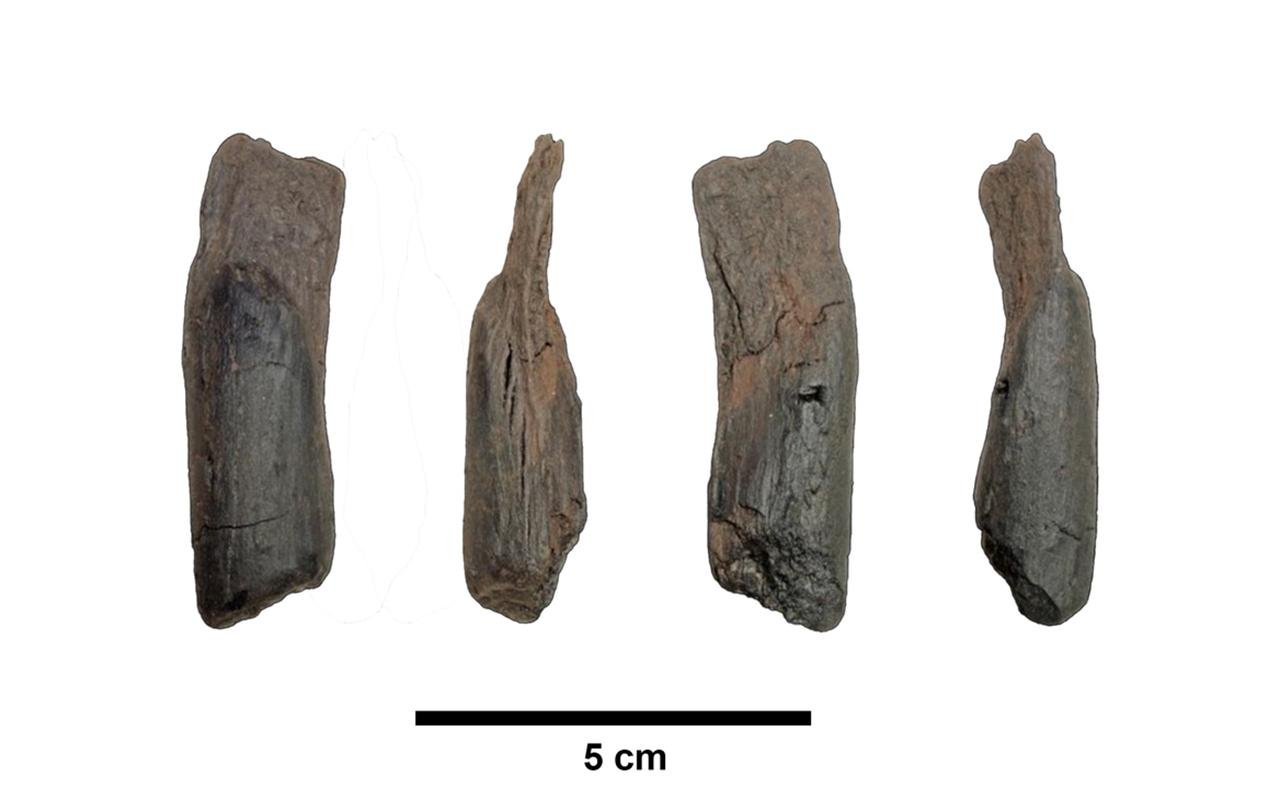
One piece comes from alder. The surface shows cut marks from stone tools and rounded areas formed through repeated contact with soil. The shape and wear fit use as a digging stick near the lakeshore. Such a tool would have helped with loosening wet ground or extracting plant foods. The second artifact, a very small fragment from willow or poplar, shows carved edges and smoothing from handling. The size points to a finger held tool. Researchers link this piece to fine tasks, such as adjusting stone flakes during tool production.
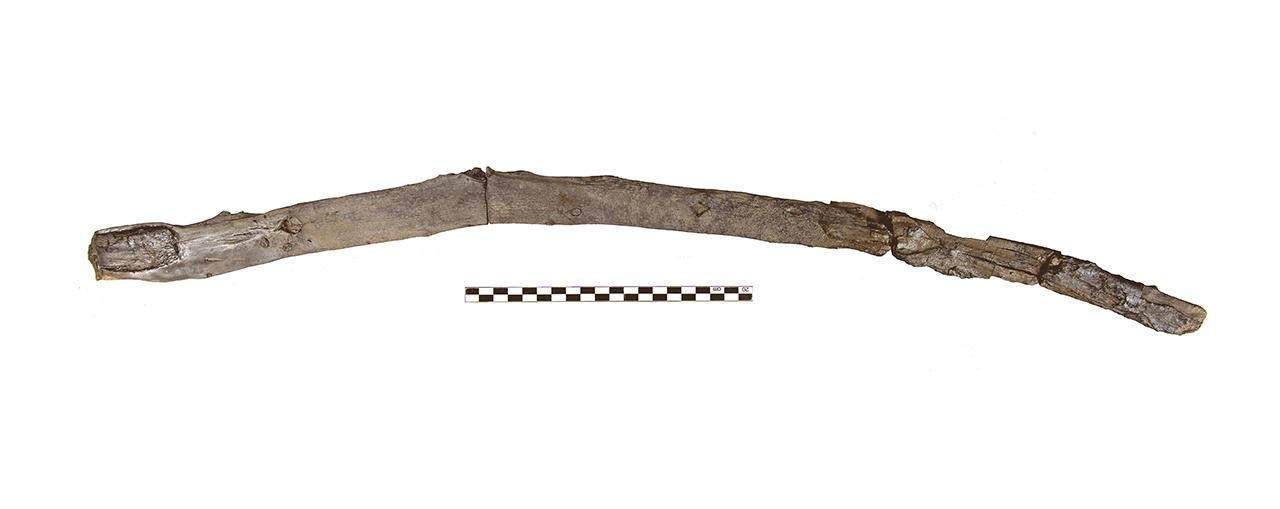
A third alder fragment drew attention during sorting. Deep parallel grooves run across the surface, with crushed fibers along the edges. Microscopic study matched these marks to claw damage from a large carnivore, likely a bear. This evidence places large predators at the same location where humans butchered elephants. Both groups used the lakeshore and may have competed for access to carcasses.
Before this work, the oldest known handheld wooden tools came from sites in Africa, Europe, and Asia, all younger than 430,000 years. One older wooden structure from Kalambo Falls in Zambia dates to about 476,000 years ago. Researchers interpret wood as part of built features rather than a handheld implement. The Marathousa finds push the record for shaped wooden tools back by at least 40,000 years and provide the first such evidence from southeastern Europe.

The tools show careful selection of local trees that grow in wet settings, including alder, willow, and poplar. Alongside stone and bone artifacts from the same layers, the wooden pieces show broad knowledge of natural materials and varied technical skill during the Middle Pleistocene.